

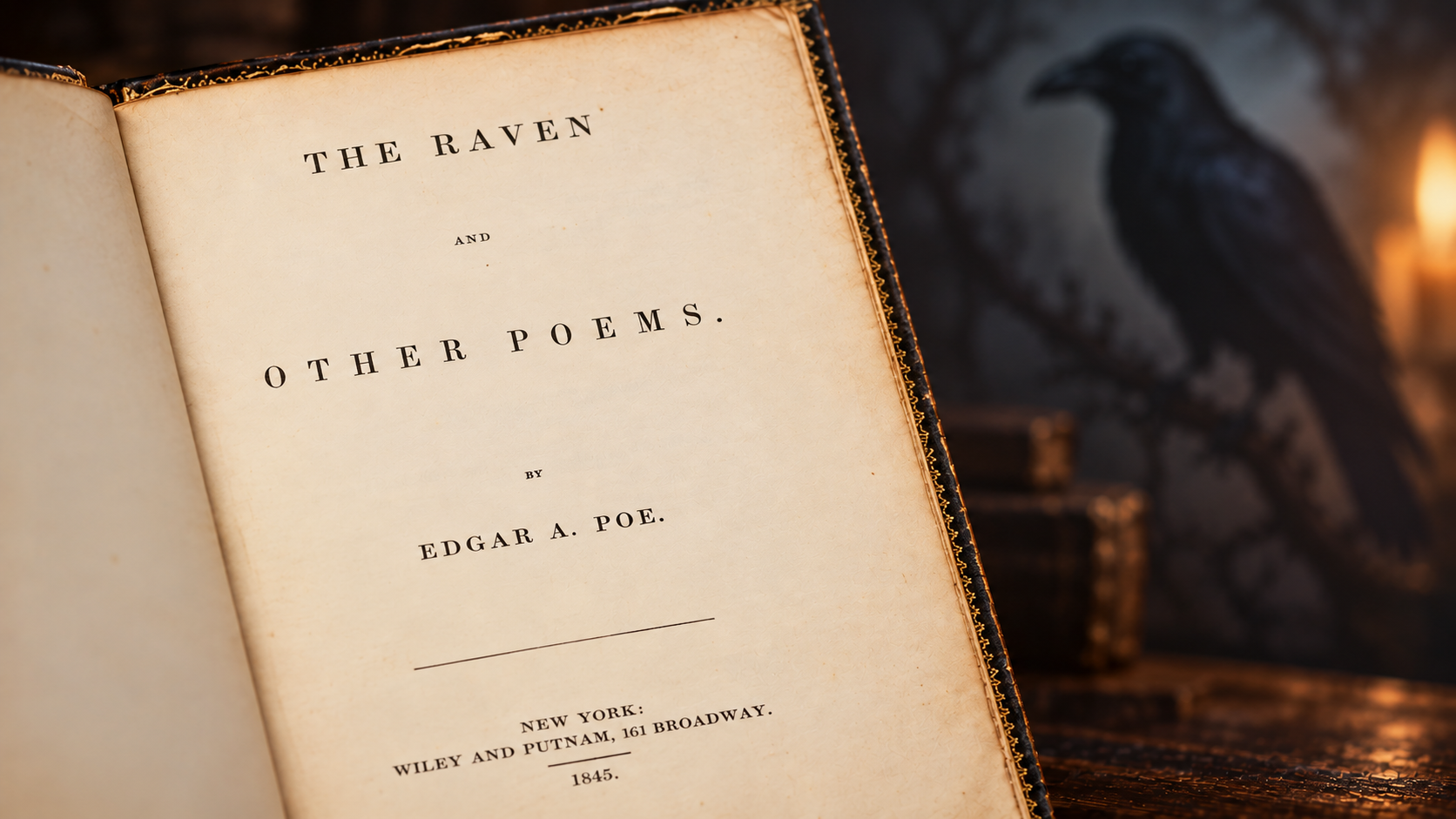
Course | Reading Edgar Allan Poe with Edward G. Pettit | Virtual
We’ll explore the world of Edgar Allan Poe and discover the appeal of his fantastical works, from his intricately composed poems to the gothic splendor and mystery of his tales.
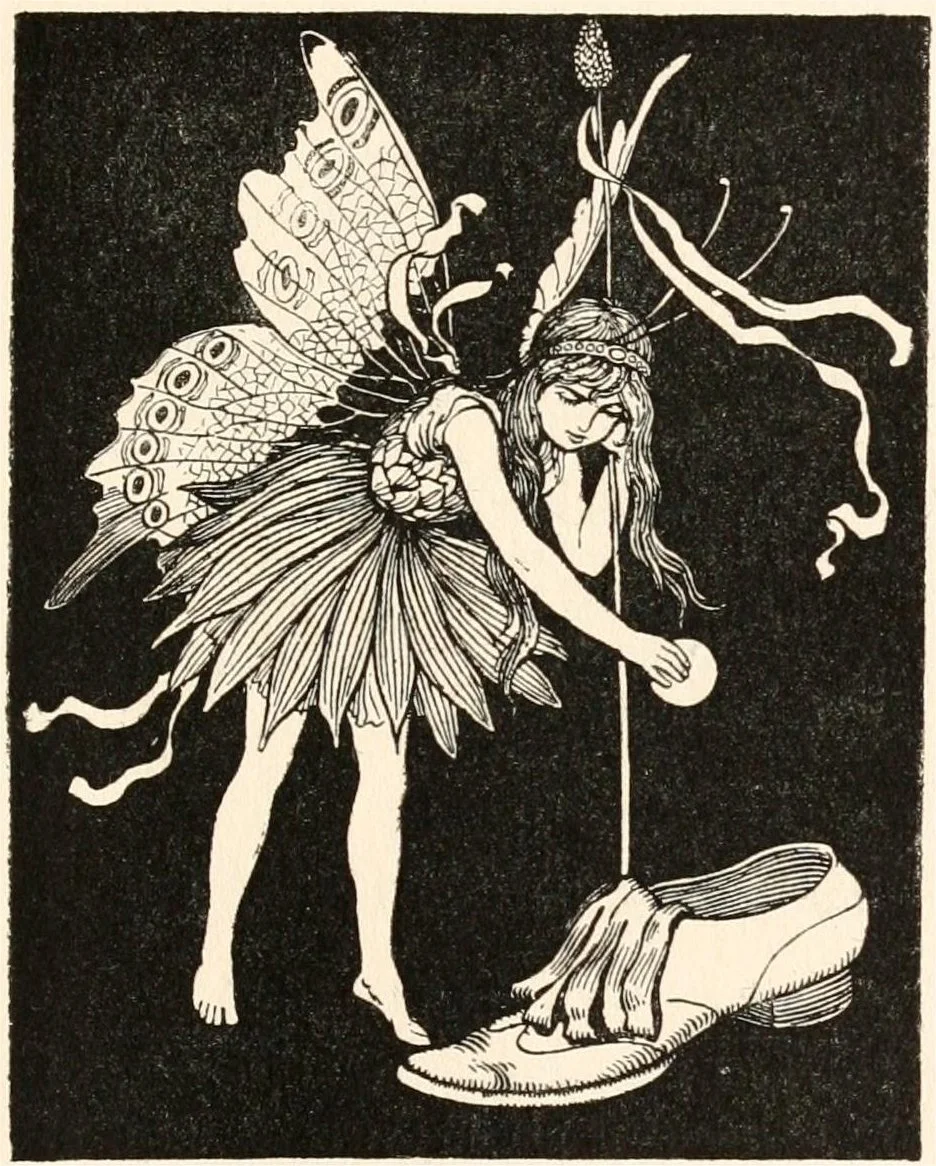
Course | Fairy Tales, Women, and the Horrors of Childhood with Vicki Mahaffey | Virtual
This course has two aims: to investigate the enabling power of fantasy to combat the horror of helplessness and smallness and to interrogate how fairy tales work to define gender roles for different cultures in different places and times.
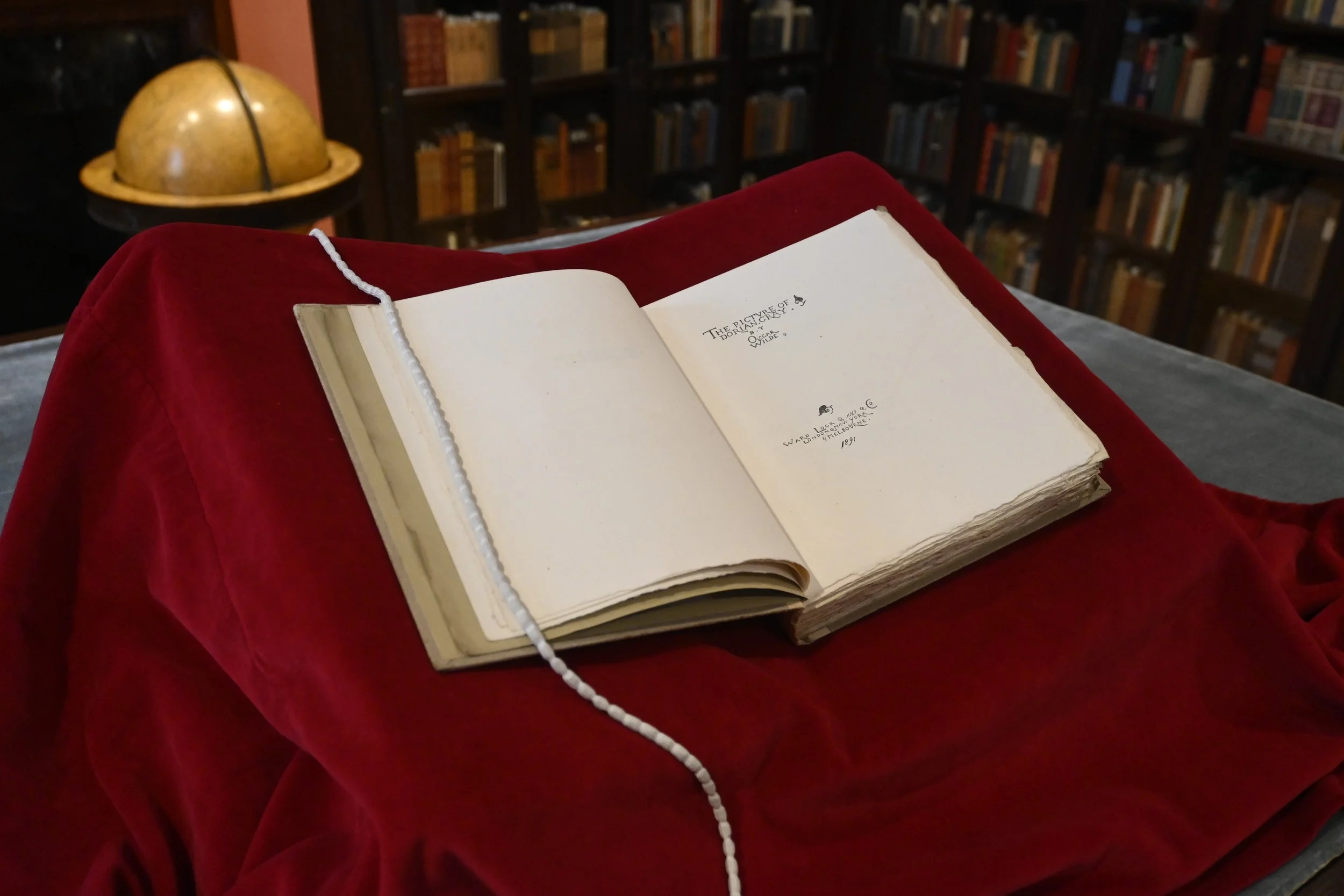
Course | Wilde’s The Picture of Dorian Gray with Sara Brown | Virtual
When The Picture of Dorian Gray appeared in 1890, in Lippincott’s Monthly Magazine, early reviewers denounced it as unclean and poisonous, and in 1895, passages of it were read back to Wilde in a courtroom. More than a century later, this tale of a beautiful young man, a besotted artist, a haunted portrait, and a dangerously persuasive friend still unsettles readers and yet remains a compelling read.
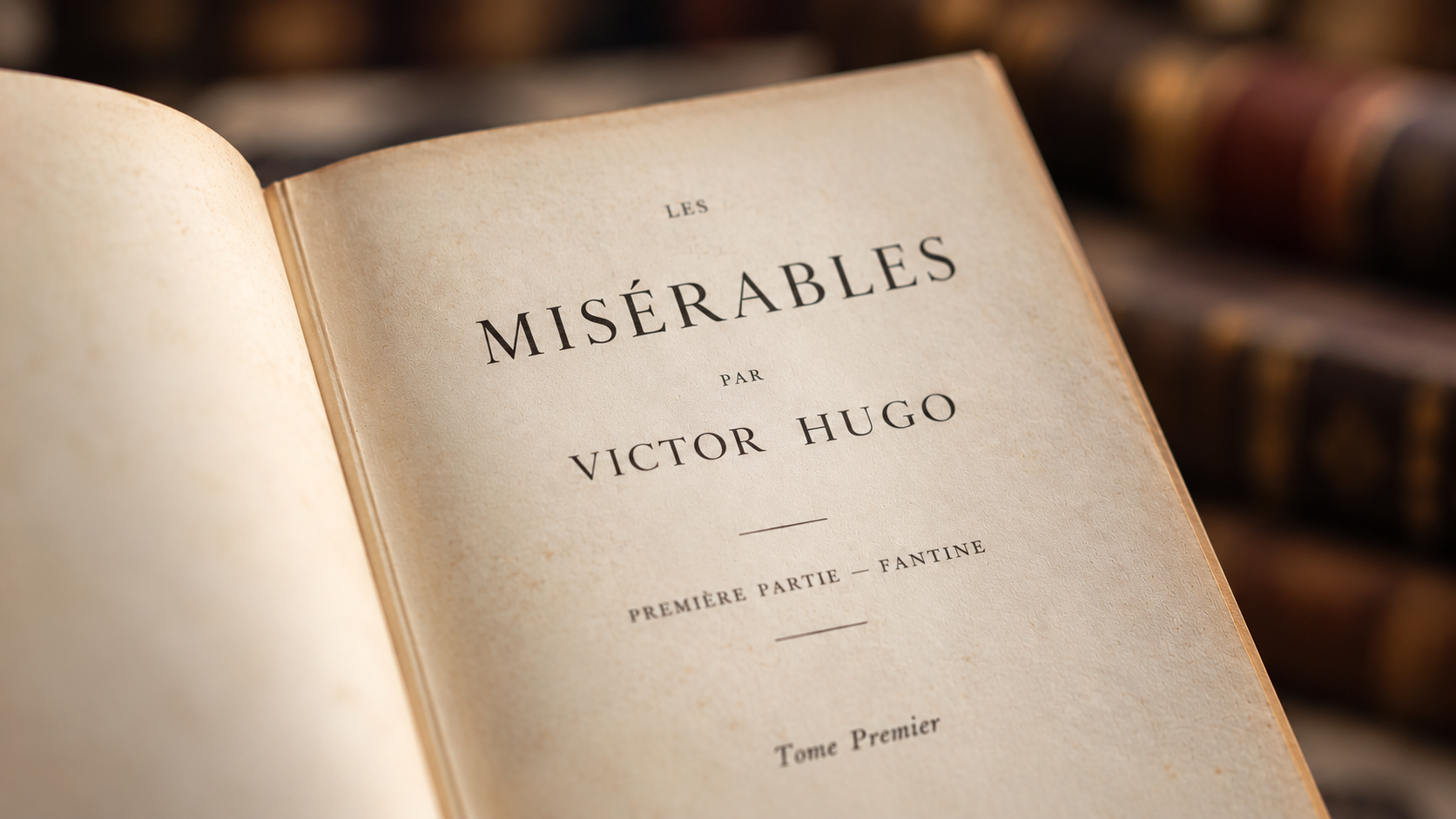
Course | Victor Hugo's Les Misérables with Liesl Schillinger | Virtual
You know the songs. You’ve seen the film. But have you read Victor Hugo’s 19th-century blockbuster, Les Misérables? In reading Les Misérables, we will taste the democratic ideals Hugo championed in his work and life and see why the questions he raised still feel urgent today.
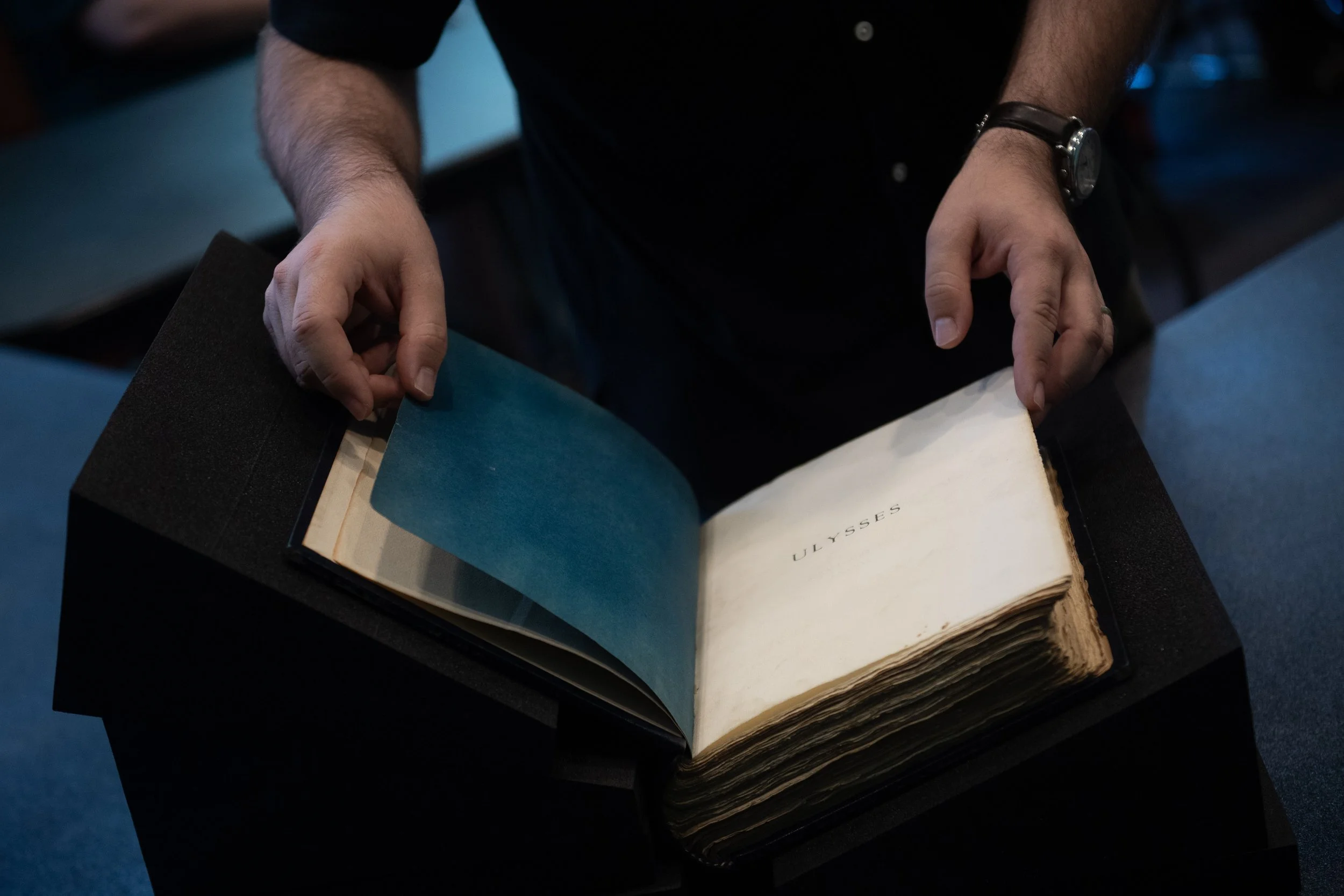
Course | Surprised by Joyce: Reading Ulysses Together with Robert Spoo | Virtual
They say that Ulysses can’t be read; it can only be reread. But whether you’re a beginner or a repeat offender, the important thing is to read the book deeply, thoughtfully, slowly, and joyfully, and this will be our goal and our practice in this online seminar.
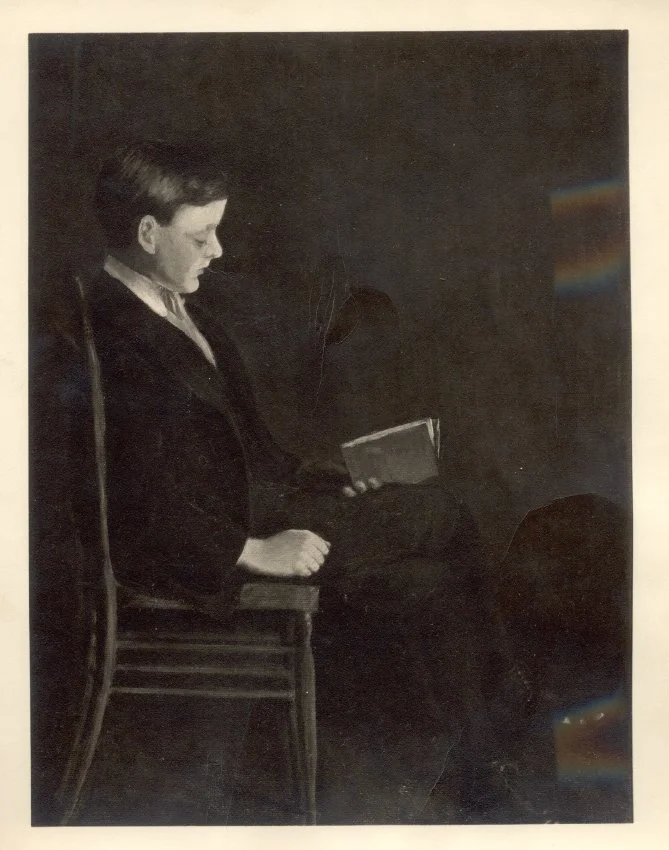
Course | T.S. Eliot’s The Waste Land with Patrick Query, President of the International T. S. Eliot Society | Virtual
In this course, we will explore in detail The Waste Land’s poetic techniques, intricate allusions, cultural and biographical contexts, as well as textual history, answering what questions we can and generating still more.
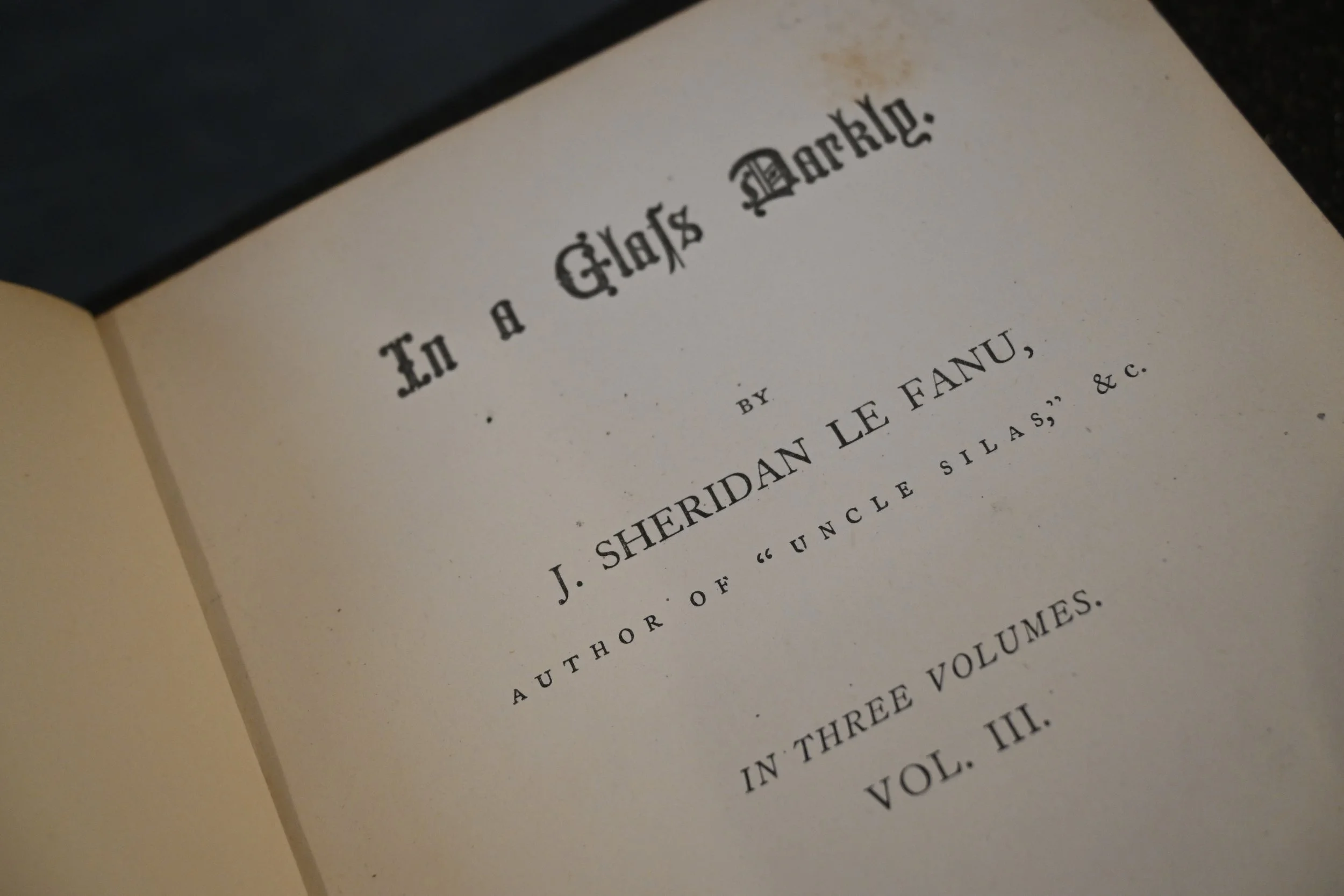
Course | Le Fanu’s “Carmilla” and In a Glass Darkly with Petra Clark and Samantha Nystrom | Virtual
Come join us as we dive into five of Sheridan Le Fanu’s spooky tales, ending with his iconic vampire novella “Carmilla.” In this course, we will read Le Fanu’s story collection In a Glass Darkly (1872), wherein characters are haunted by ghosts, necromancers, vampires, and even an evil monkey.
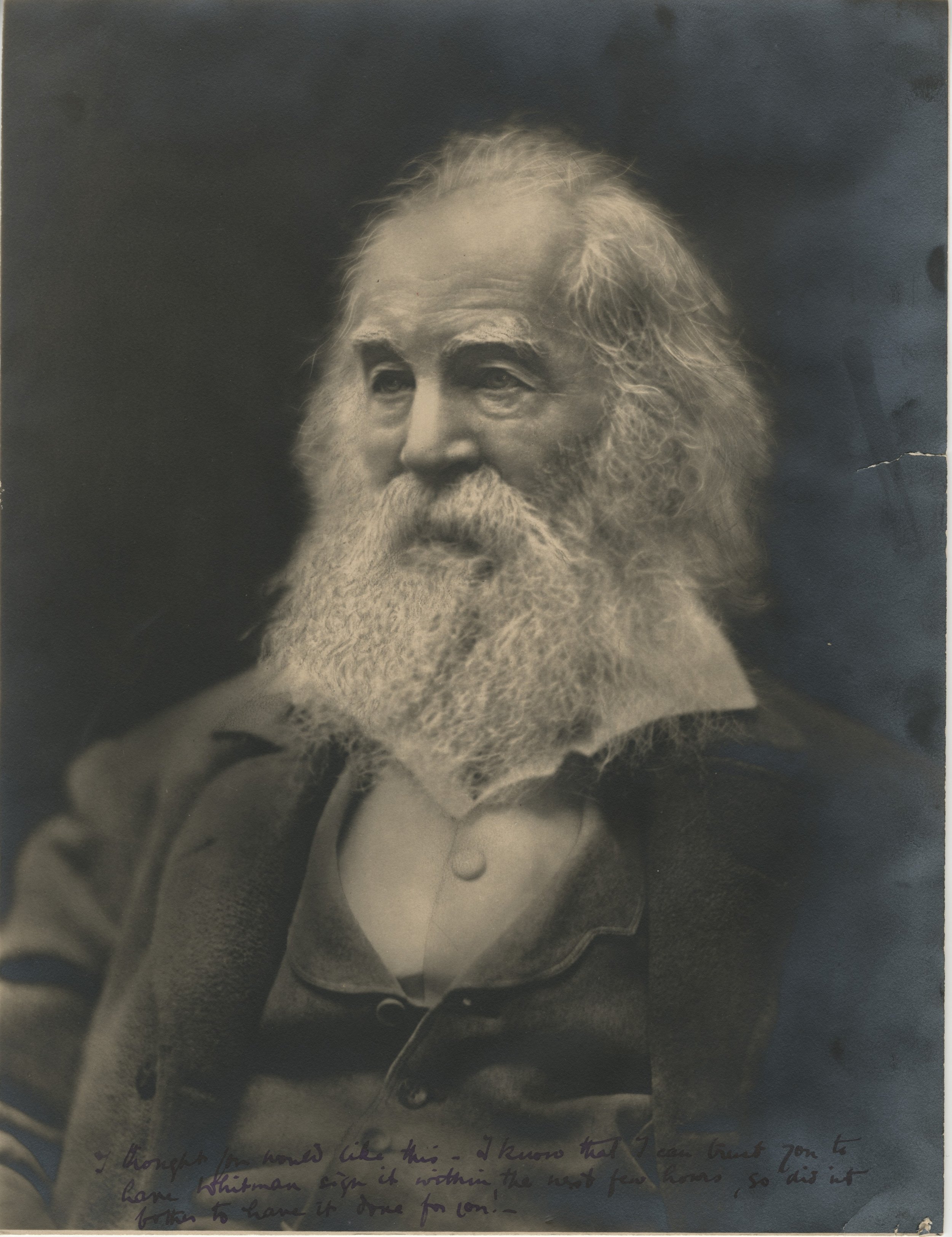
Course | Reading Walt Whitman’s Leaves of Grass with Edward Whitley | Virtual
In this four-week online class, we will read selections of Whitman’s experimental antebellum poems from his 1855, 1856, and 1860 editions of Leaves of Grass, followed by the mature poetry of the 1892 Leaves of Grass, which includes his Civil War-era “Drum Taps” poems and the short, lyrical poems that he wrote toward the end of his life while living in Camden, New Jersey and spending time with friends and colleagues in Philadelphia.
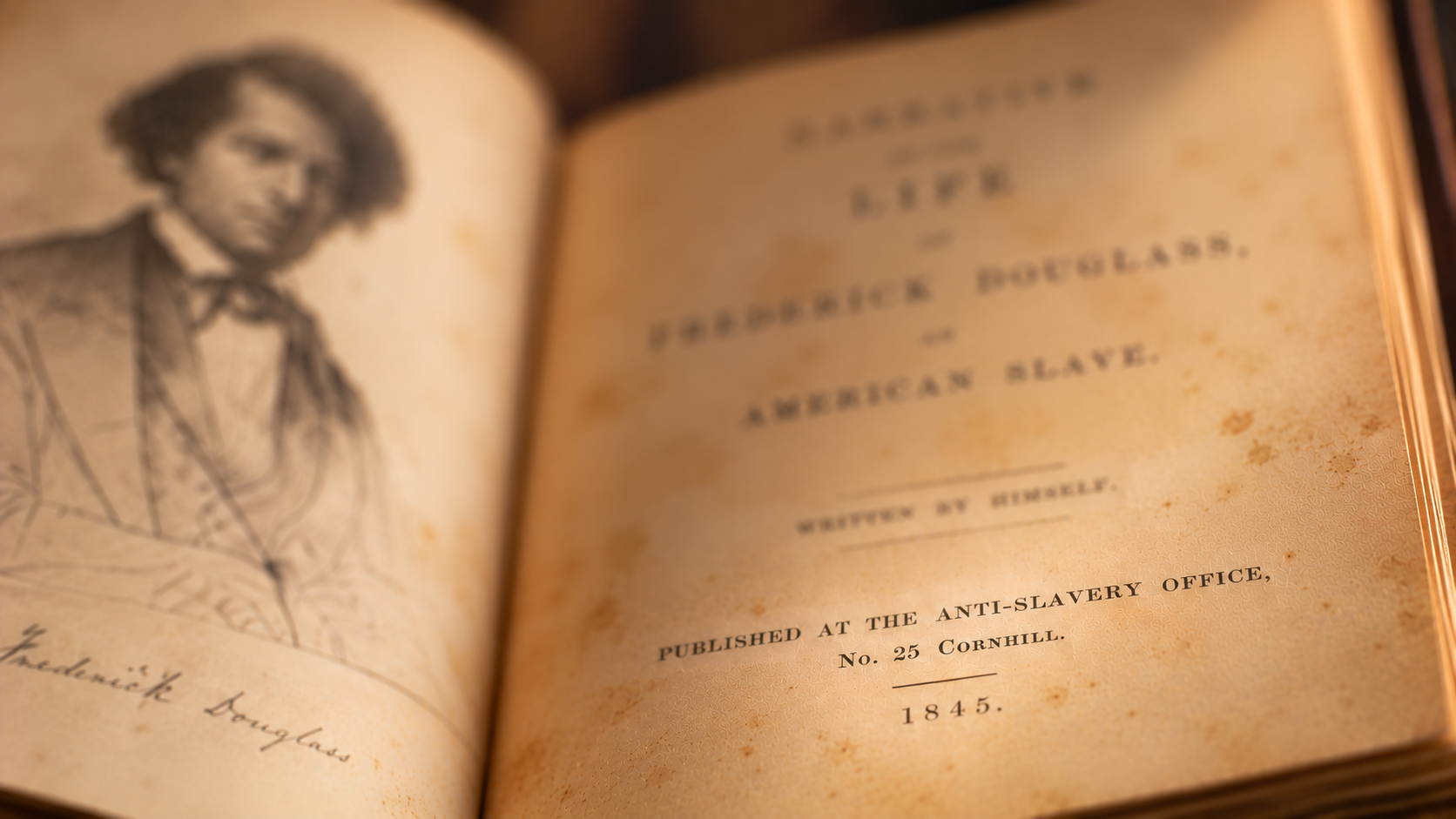
Course | Ending Slavery in Pennsylvania: The PA Gradual Abolition Acts with Paul Finkleman | Virtual
This seminar will explore these Pennsylvania laws and the process of ending human bondage in the state. The laws led to Pennsylvania having the largest Black population in the North on the eve of the Civil War. At the same time, we’ll try to understand the limits of these laws and their unfairness to those people born into slavery before March 1, 1780.
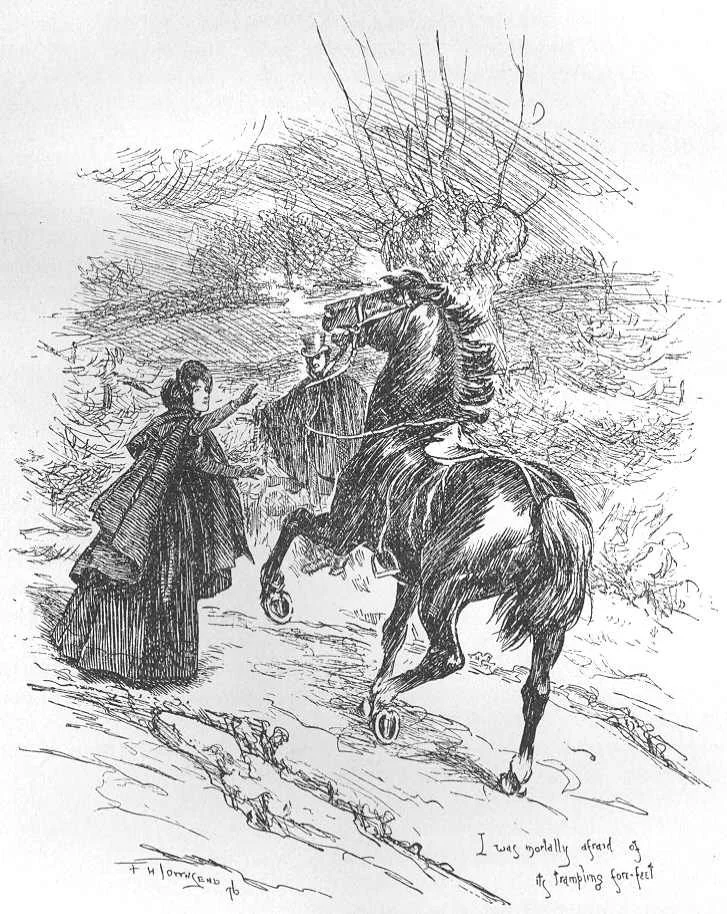
Course | Charlotte Brontë’s Jane Eyre with Claire O’Callaghan | Virtual
Join Dr. Claire O’Callaghan, Editor-in-Chief of Brontë Studies, the official journal of the Brontë Society, for a five-week, in-depth exploration of Charlotte Brontë’s Jane Eyre (1847), one of the most influential novels in English literature, and its rich cultural legacy.
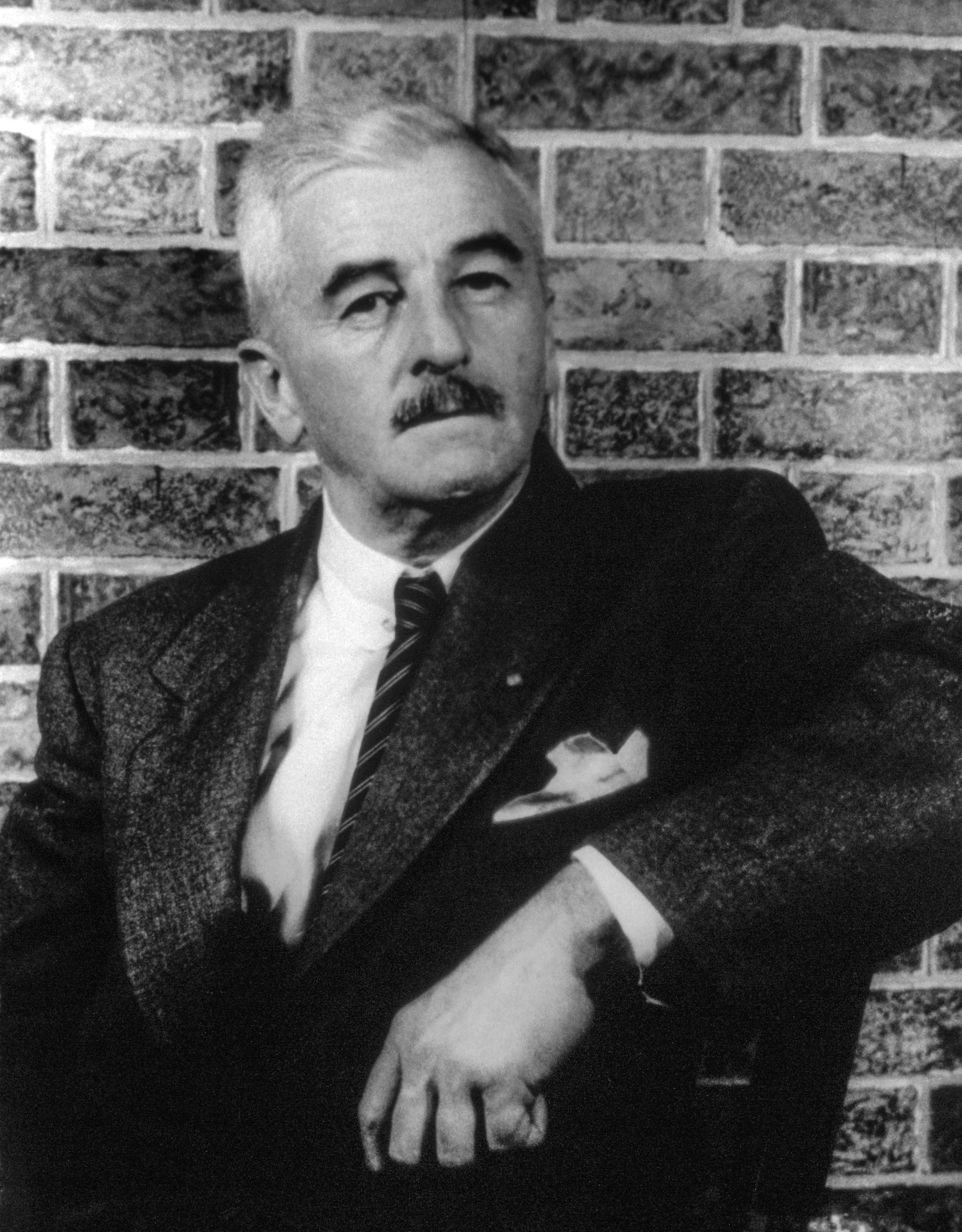
Course | Go Down, Moses: The Ecological Faulkner with Carl Rollyson | Virtual
In 1942, just as the United States was entering World War II, William Faulkner published an episodic novel, Go Down Moses. At the heart of the novel is “The Bear,” a story about the life of Ike McCaslin and his initiation into the wonder of the wilderness that, in his lifetime, is fast disappearing. The novel takes its place in line with one of the first ecological novels in American history, James Fenimore Cooper’s The Pioneers (1823), which also deals with slavery, landownership, and the threat to the wilderness.
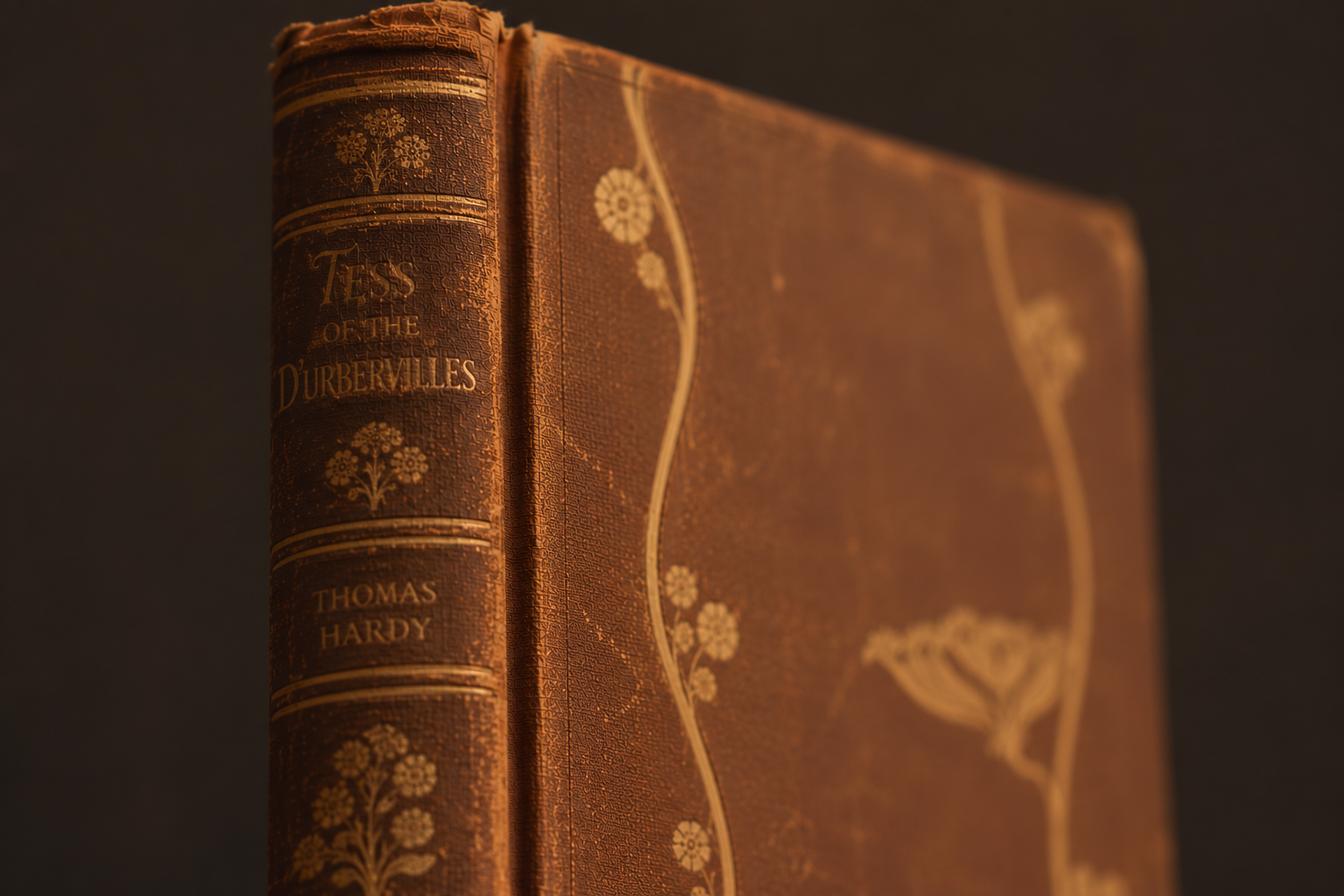
Course | Thomas Hardy’s Tess of the d'Urbervilles with Olivia Rutigliano | Virtual
Thomas Hardy’s Tess of the D’Urbervilles is one of Victorian literature’s most significant—and complicated—novels. The aim of this course is to approach the novel with full awareness of its multiplying contexts—the Victorian world Hardy was responding to, as well as its receptions (and various handlings/mishandlings) since.
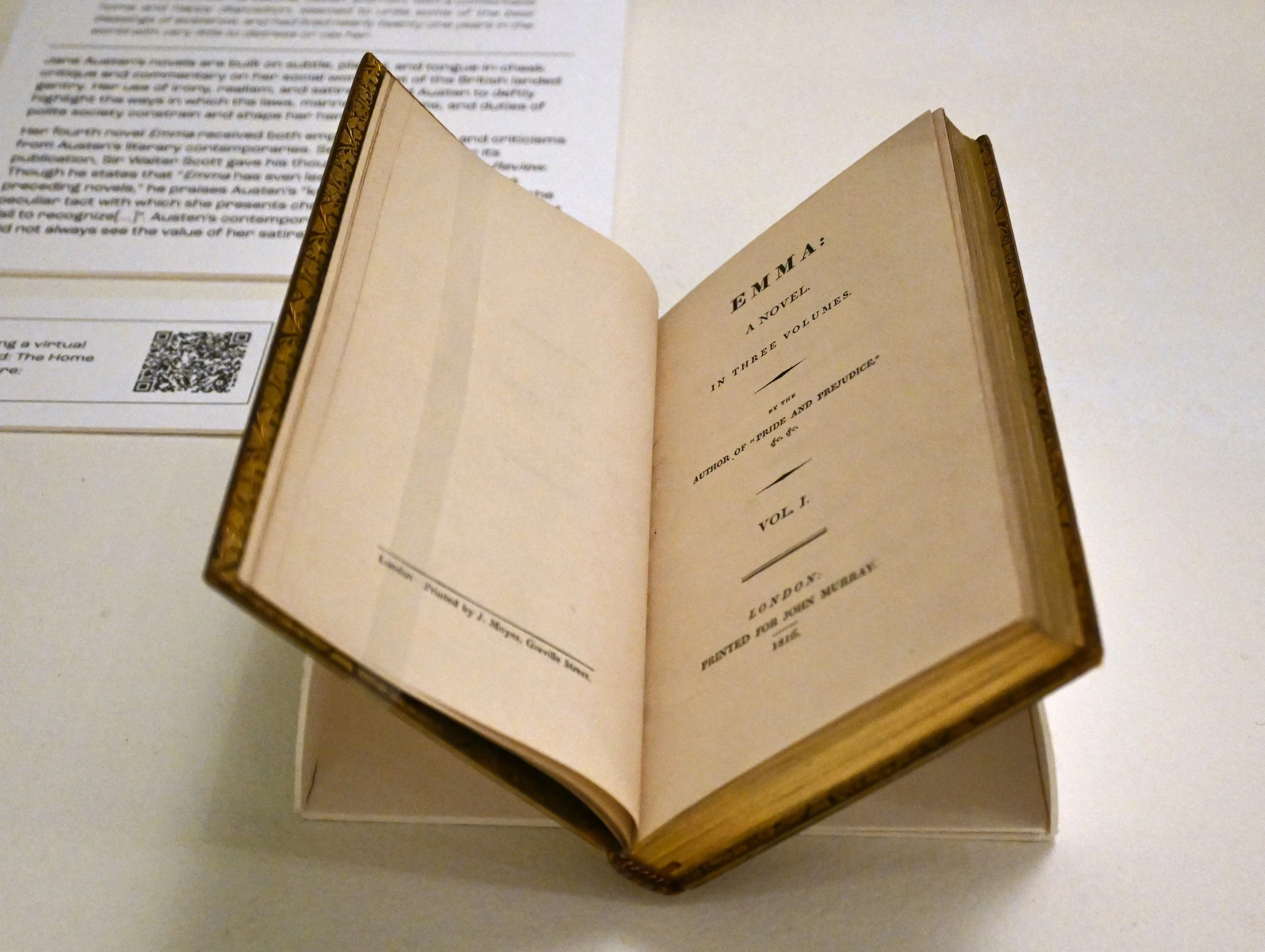
Course | Waverley and Emma: Reading Walter Scott and Jane Austen Together | Virtual
On the publication of Waverley, Jane Austen wrote “Walter Scott has no business to write novels, especially good ones.” Austen’s admiration for Scott was reciprocated. We will discuss the ways in which these iconic writers set the pattern for the development of the novel and explore how they dealt with the concerns of their times in their own ground-breaking ways.
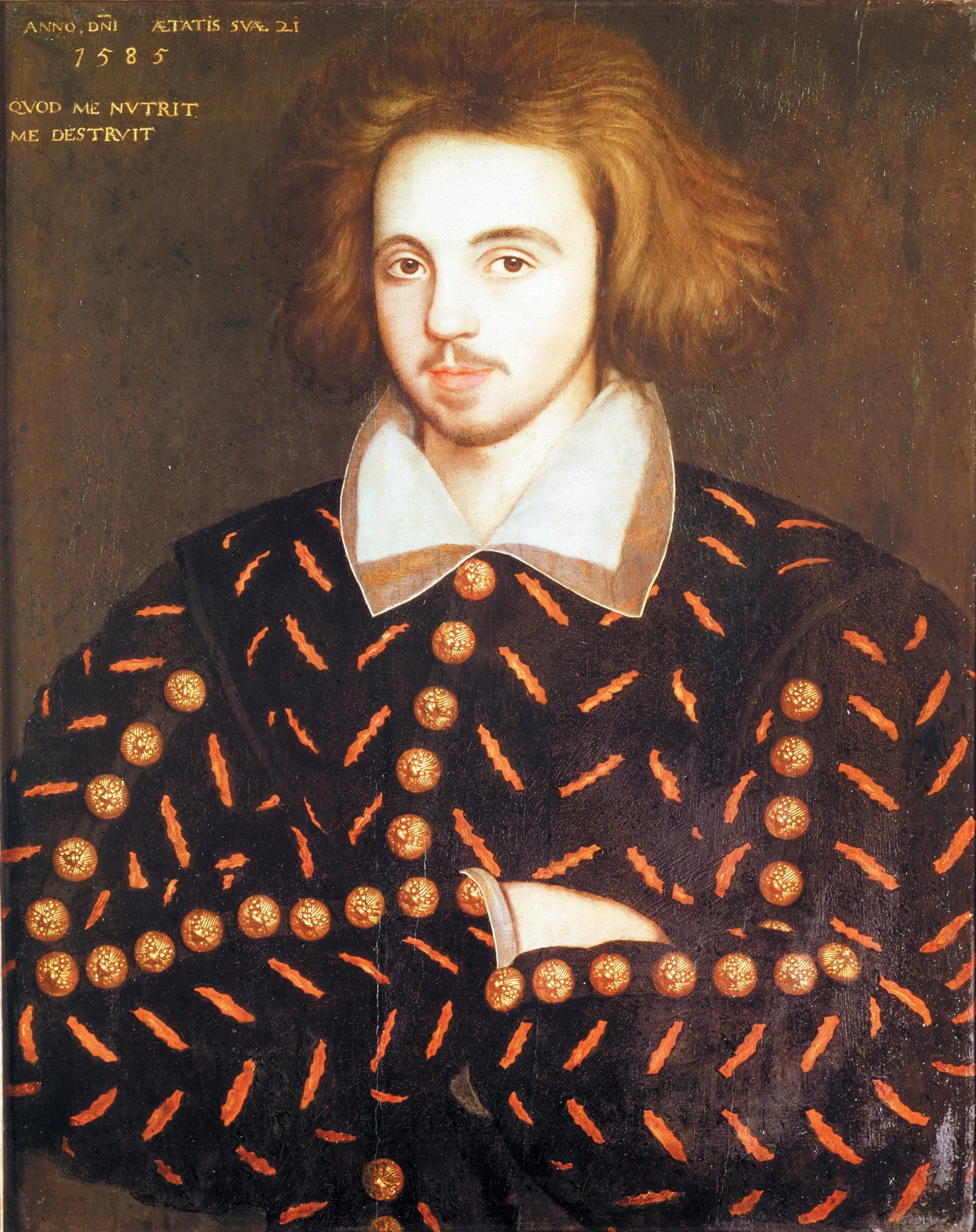
Course | Doctor Faustus and Edward II: Marlowe’s Mighty Line with Ed Simon | Virtual
In Christopher Marlowe’s writing, all certainties are questioned, faith can be treated scurrilously, and the Devil is always just a contract away. Join Ed Simon as he explores the writing and the world of Renaissance England’s most scandalous of writers.
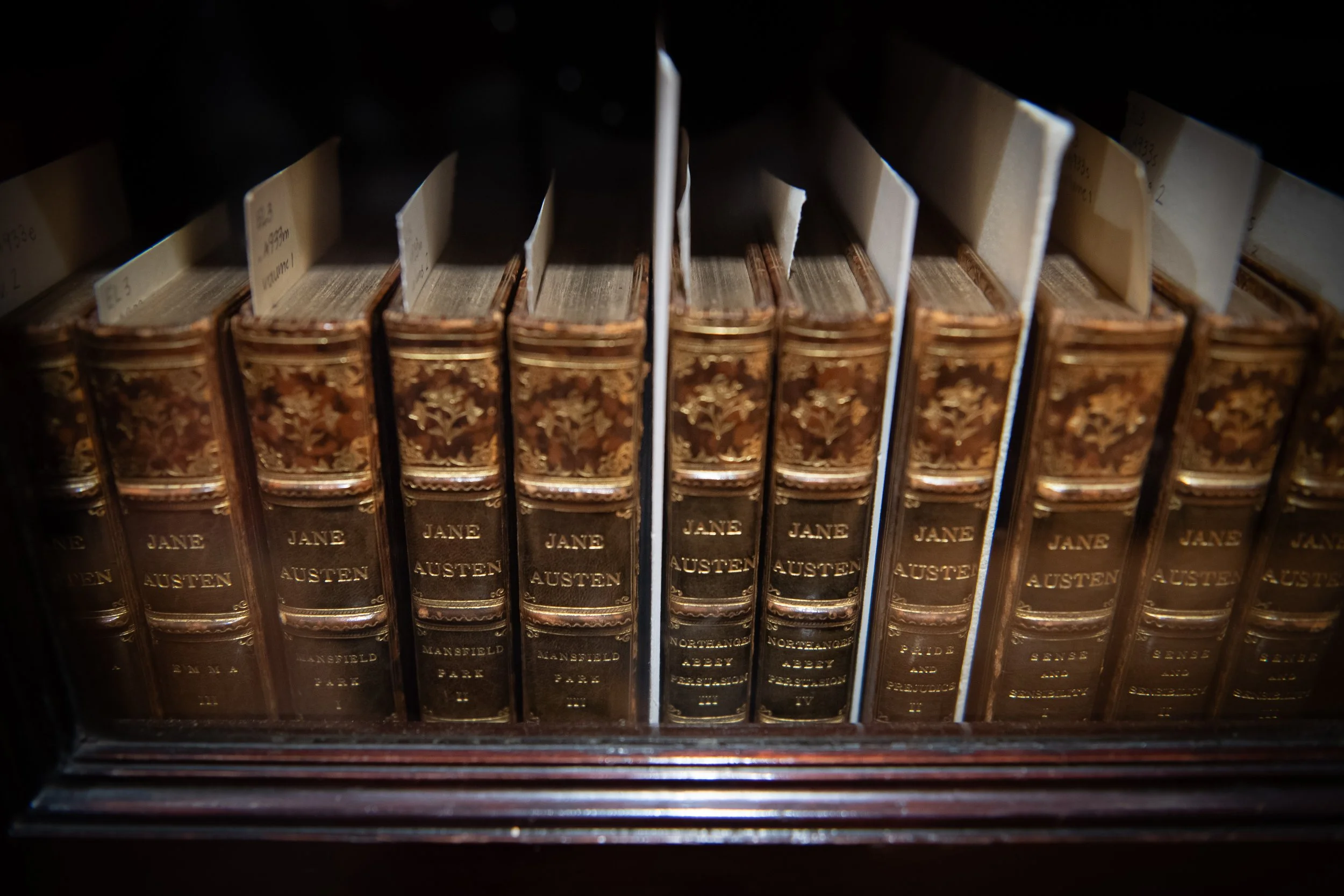
[SOLD OUT, RECORDING-ONLY AVAILABLE] Course | Sense and Sensibility and its Afterlives with Claudia L. Johnson | Virtual
We will launch our Sense and Sensibility-fest by reading some of Austen’s early sketches, whose complexity, penetration, and energy will provide us with a suggestive backdrop for the novel.
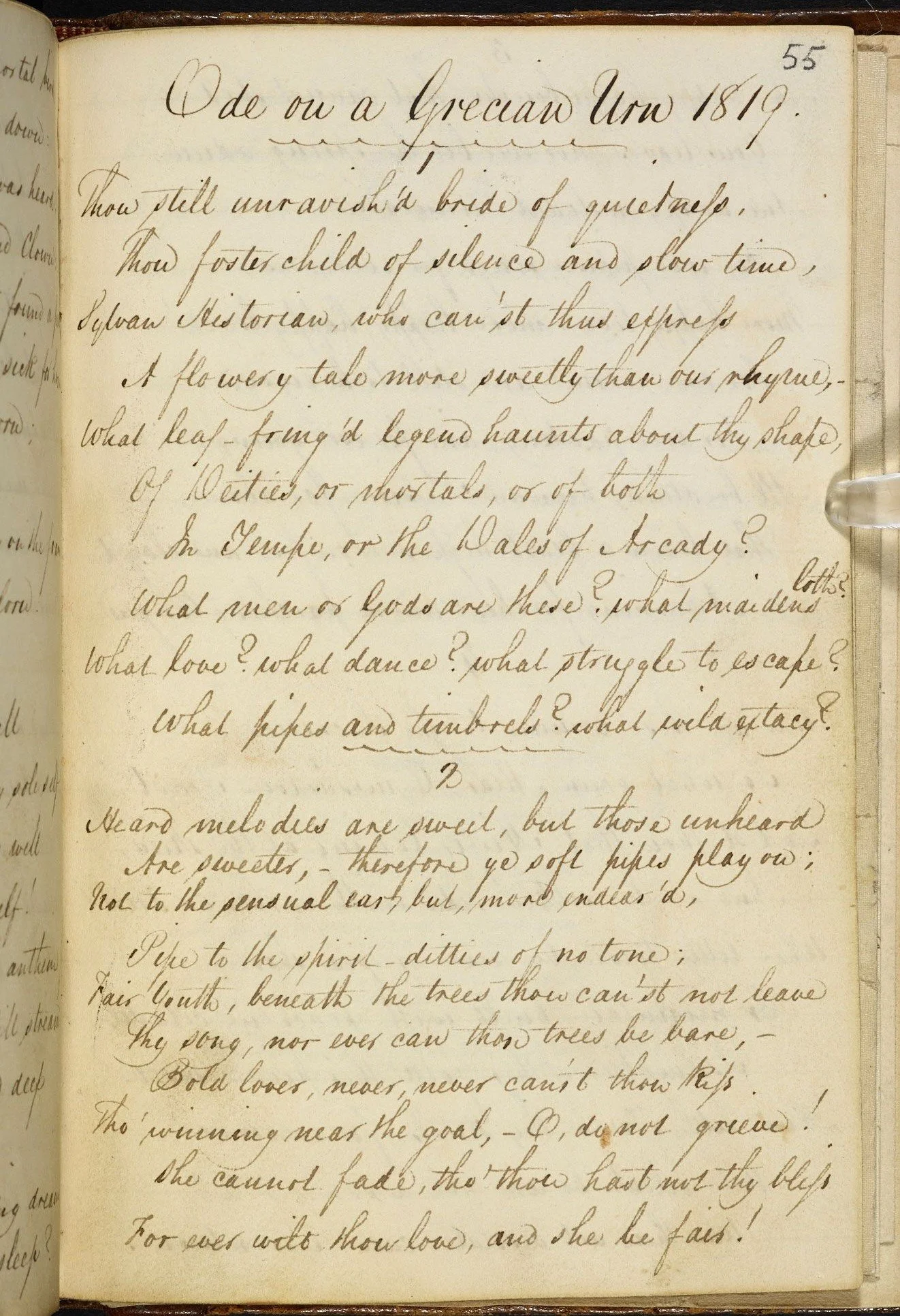
Course | The Odes of John Keats with Sean Hughes | Virtual
Each session will include some relevant background, but our discussions will be guided by the interests of participants. Likely topics will include desire, the crushing weight of history, what we want from pleasure, the meaning of devotion in the absence of faith, art, loss, the uses of fantasy, and what it’s like to be a human being with a fragile, needy body.
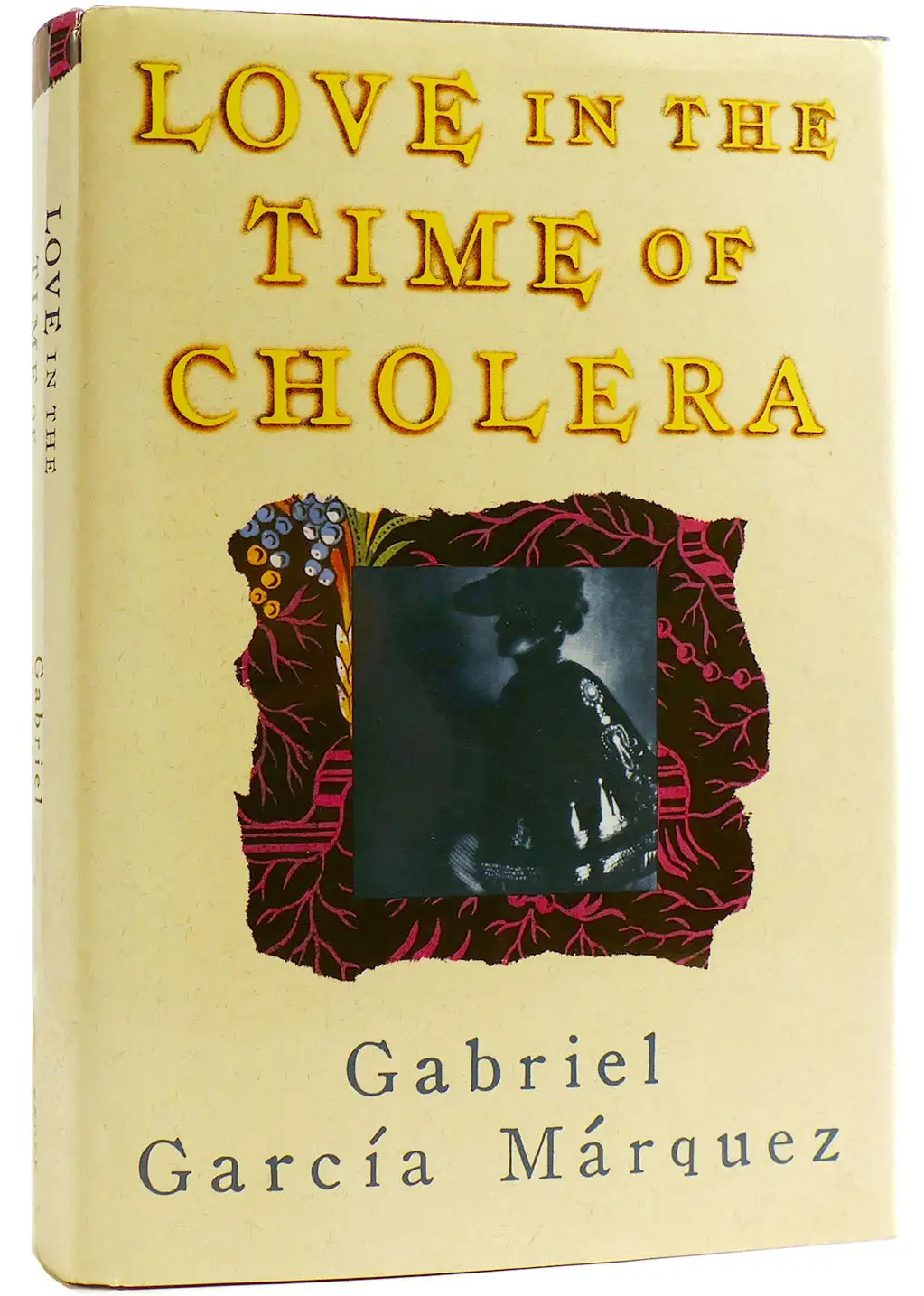
Course | García Márquez’s Love in the Time of Cholera with Luciano Martinez | Virtual
This course explores Gabriel García Márquez’s seventh novel—his self-proclaimed masterpiece and his only work devoted entirely to love. Moving away from magical realism and solitude, this novel is a grounded meditation on the many dimensions of love: romantic, platonic, and mature traced across decades of longing, separation, and reunion.
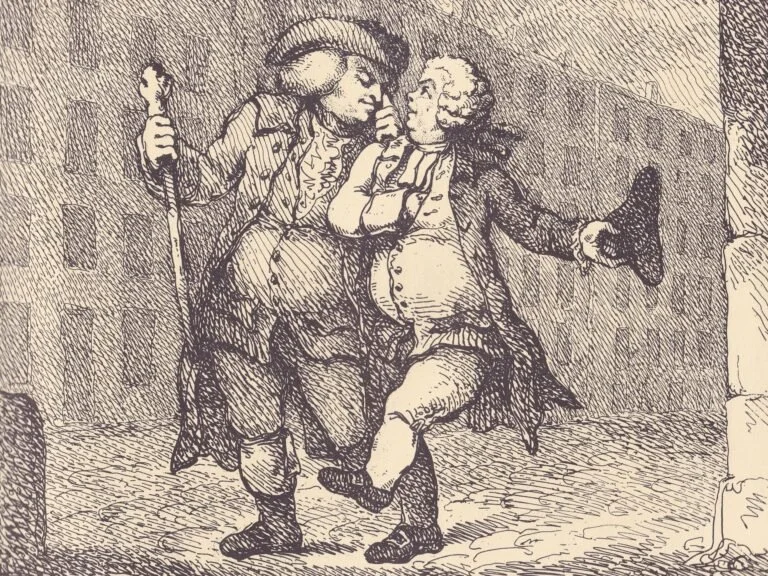
Course | Johnson and Boswell in Scotland with Jack Lynch and Celia Barnes | Virtual
Few literary friendships are as consequential as the one between Samuel Johnson and James Boswell. In this five-session course, Jack Lynch and Celia Barnes will guide participants through close readings and lively discussion of fascinating intertwined texts.
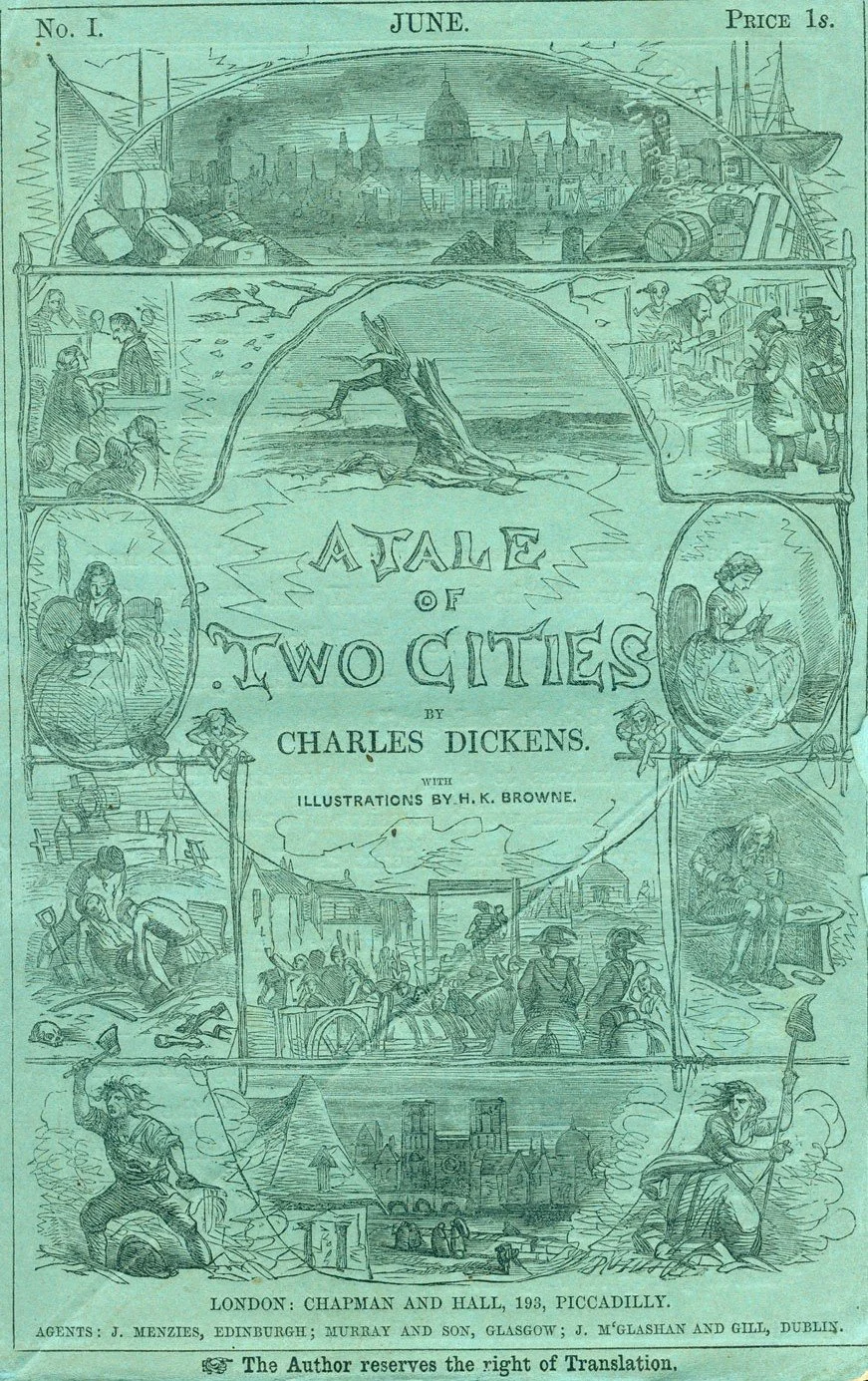
[SOLD OUT, RECORDING ONLY AVAILABLE] Course | Dickens’s A Tale of Two Cities with Edward G. Pettit | Virtual
In this seminar, we’ll go beyond the best and worst of times and examine the wisdom/foolishness, belief/incredulity, Light/Darkness, hope/despair, etc. in a story that attempts to encapsulate a cataclysmic historical event, told by an author at the top of his abilities who had also just turned his life upside down with a series of personal decisions: abandonment of his wife; a young secret mistress; shuttering of his long-running magazine; start of a new magazine; and his first public reading tour. In effect, Dickens himself was leading a kind of small-r revolution against himself at the time he was writing about Revolution.
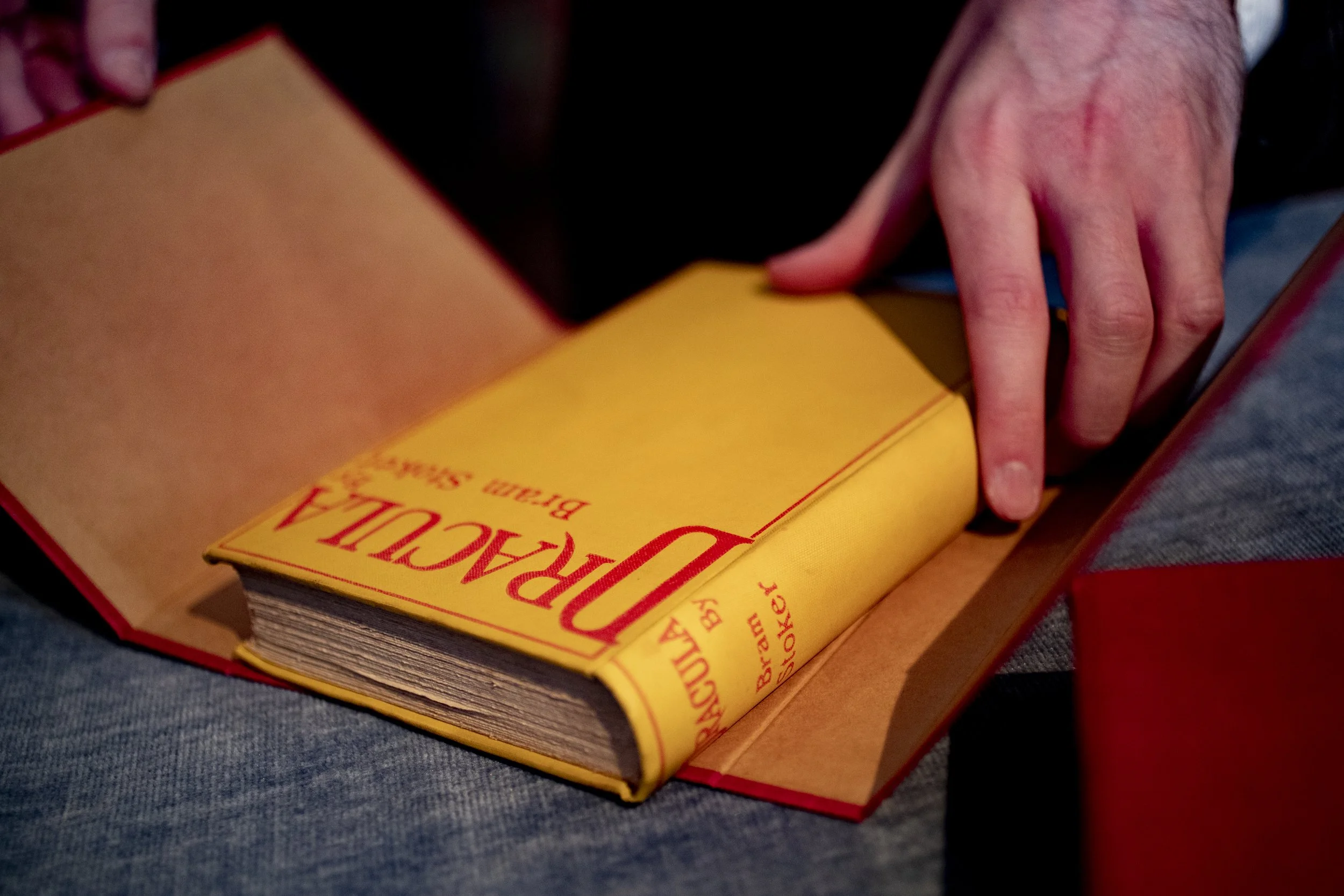
Course | Reading Dracula with John Edgar Browning | Virtual
In this course, we’ll consider how Dracula highlights the fears and anxieties of the culture that produced it and discover how this vampire story, and its themes of otherness, race and ethnicity, and sexuality and gender, is still relevant for contemporary readers.
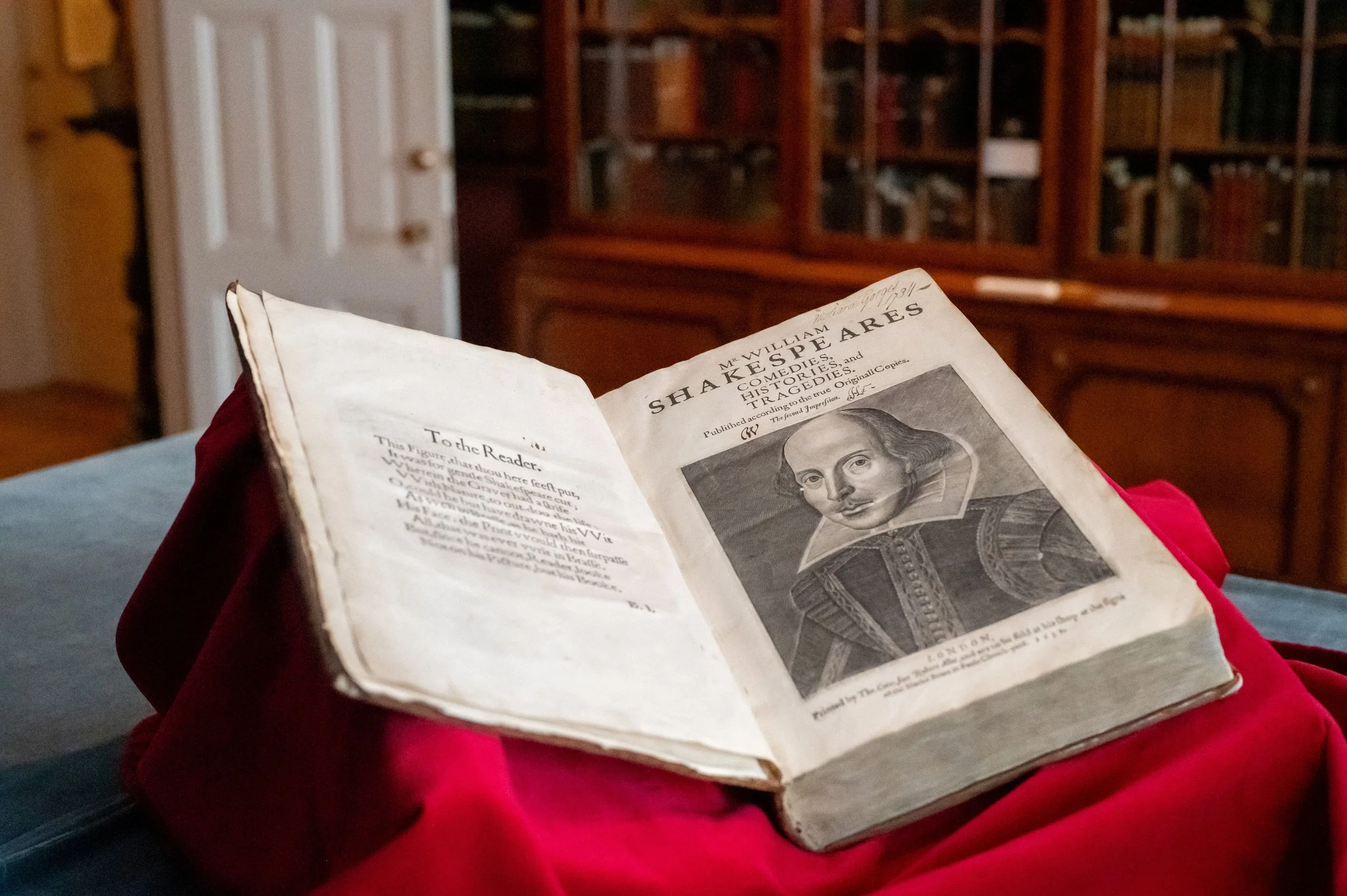
Course | Shakespeare’s Titus Andronicus with Jim Casey | Virtual
Titus Andronicus is Shakespeare’s earliest tragedy and possibly his first published play. It is certainly his bloodiest and is perhaps the most disturbing of all his texts, seeming to some playgoers to be more like an early modern version of a Quentin Tarantino movie than what they normally associate with Shakespeare.
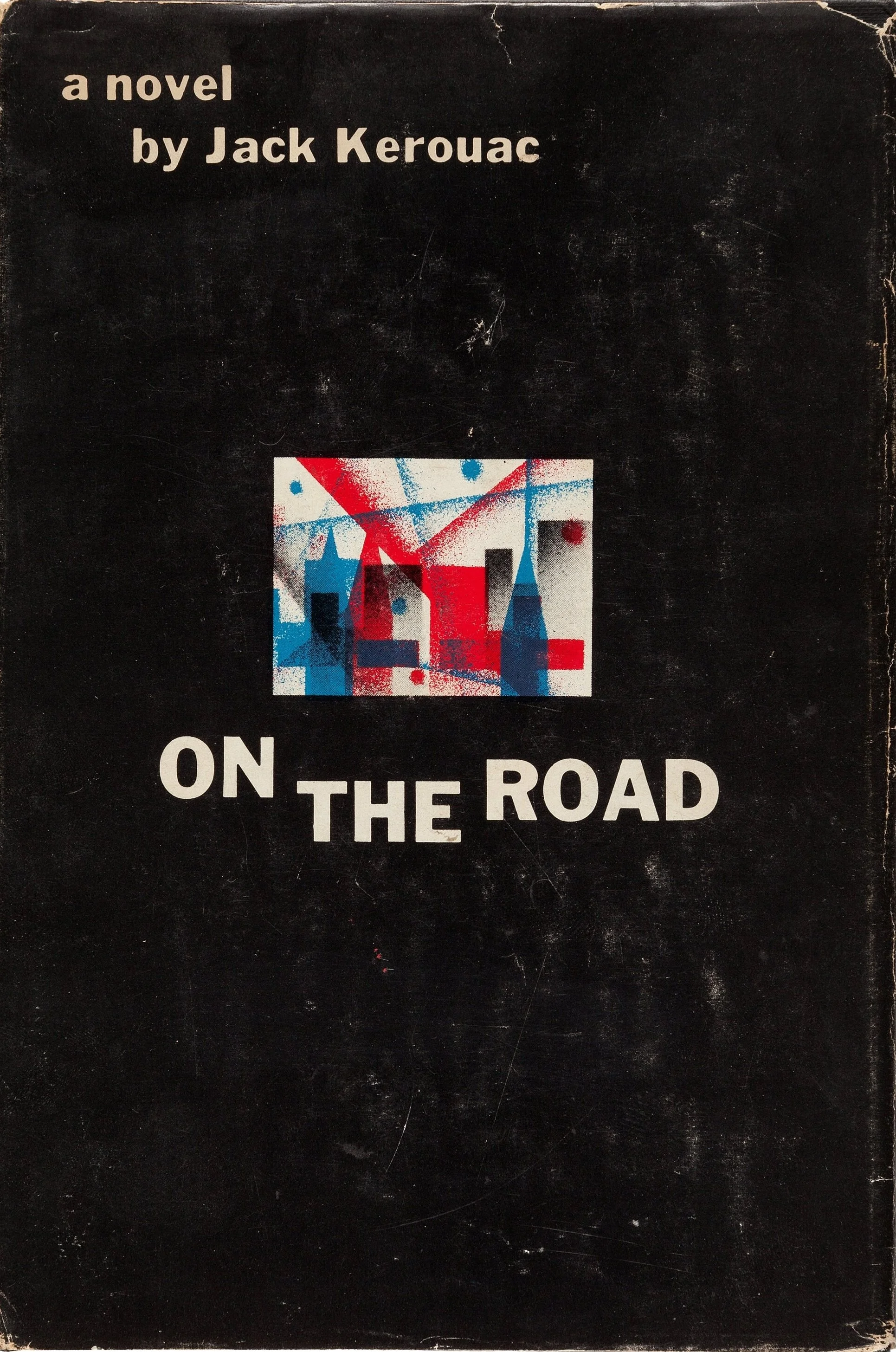
Course | Kerouac’s On the Road with Jean-Christophe Cloutier | Virtual
On the Road is both a modern epic of male escape from domesticity, peddling a fantasy of mobility as freedom (often at the expense of those left behind), and a disarmingly authentic search for meaning and spirituality in a fallen postwar world of conformity, capitalism, and prescribed sexual norms. In this course, we will try to come to terms with the novel’s complex legacy as we read it both in the context of its time and through the lens of Kerouac’s own background as a first-generation American born of French-Canadian parents.
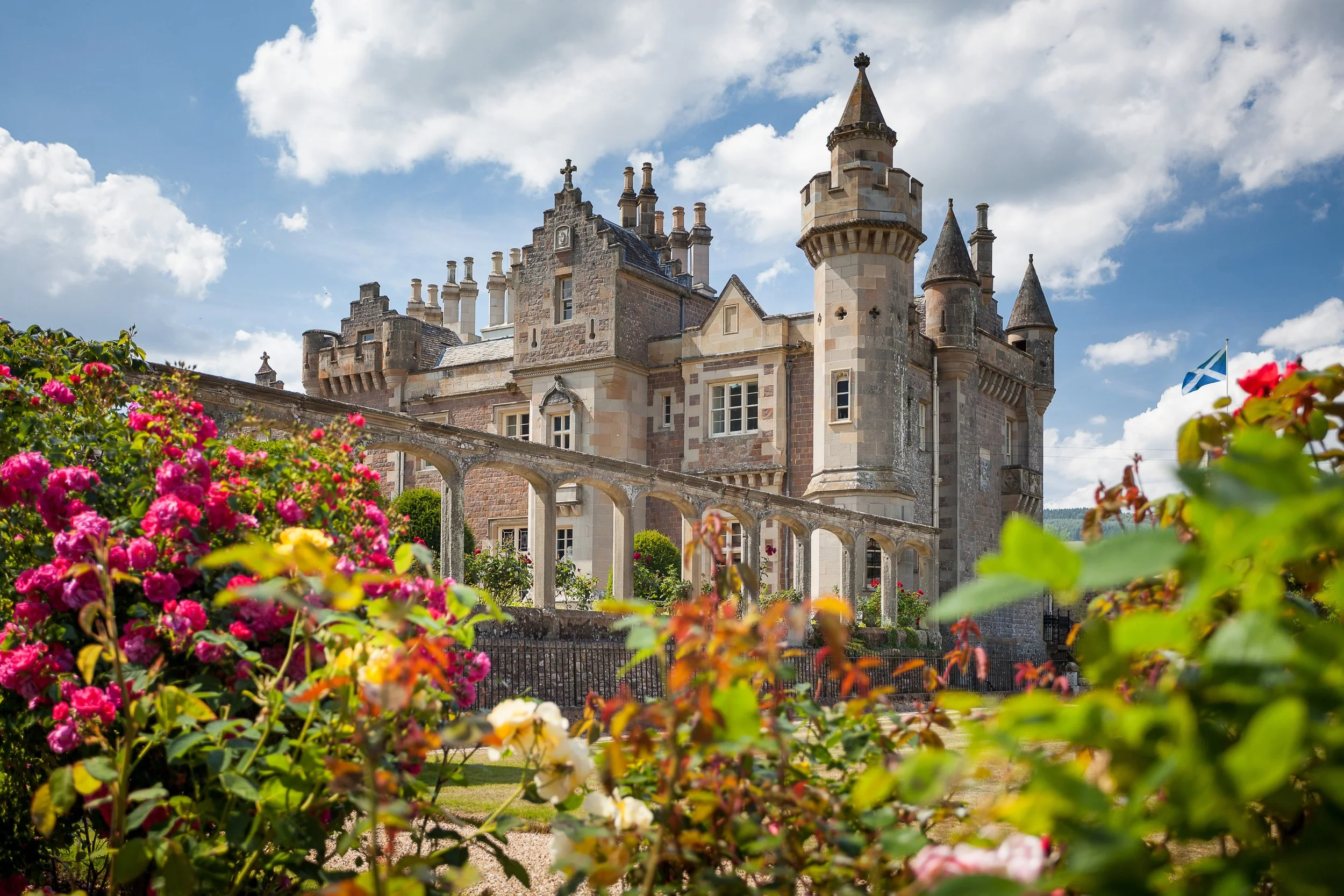
Book Club | The Rosenbach Book Club, in Partnership with Abbotsford: The Home of Sir Walter Scott | Virtual
Join the Rosenbach Museum & Library in Philadelphia, Pennsylvania and Abbotsford: The Home of Sir Walter Scott, in the Scottish Lowlands for a transatlantic book club experience! As the United States commemorates 250 years of independence and we mark 210 years since the publication of Sir Walter Scott’s historical novel The Antiquary, the book club will consider how national identity has been formed and reforged via history, literature, and culture in both Scotland the U.S.
Biblioventures | Sherlock Monthly | Virtual
The new season of Sherlock Monthly continues our exploration of the Sherlockian canon. Every month, we focus on one Sherlock Holmes adventure in the order they were first published. We begin this season with “The Adventure of the Dying Detective.” Joining host Edward G. Pettit are some new cohosts and some old friends. You can watch the livestream on Saturday afternoons or the recordings on our YouTube channel.
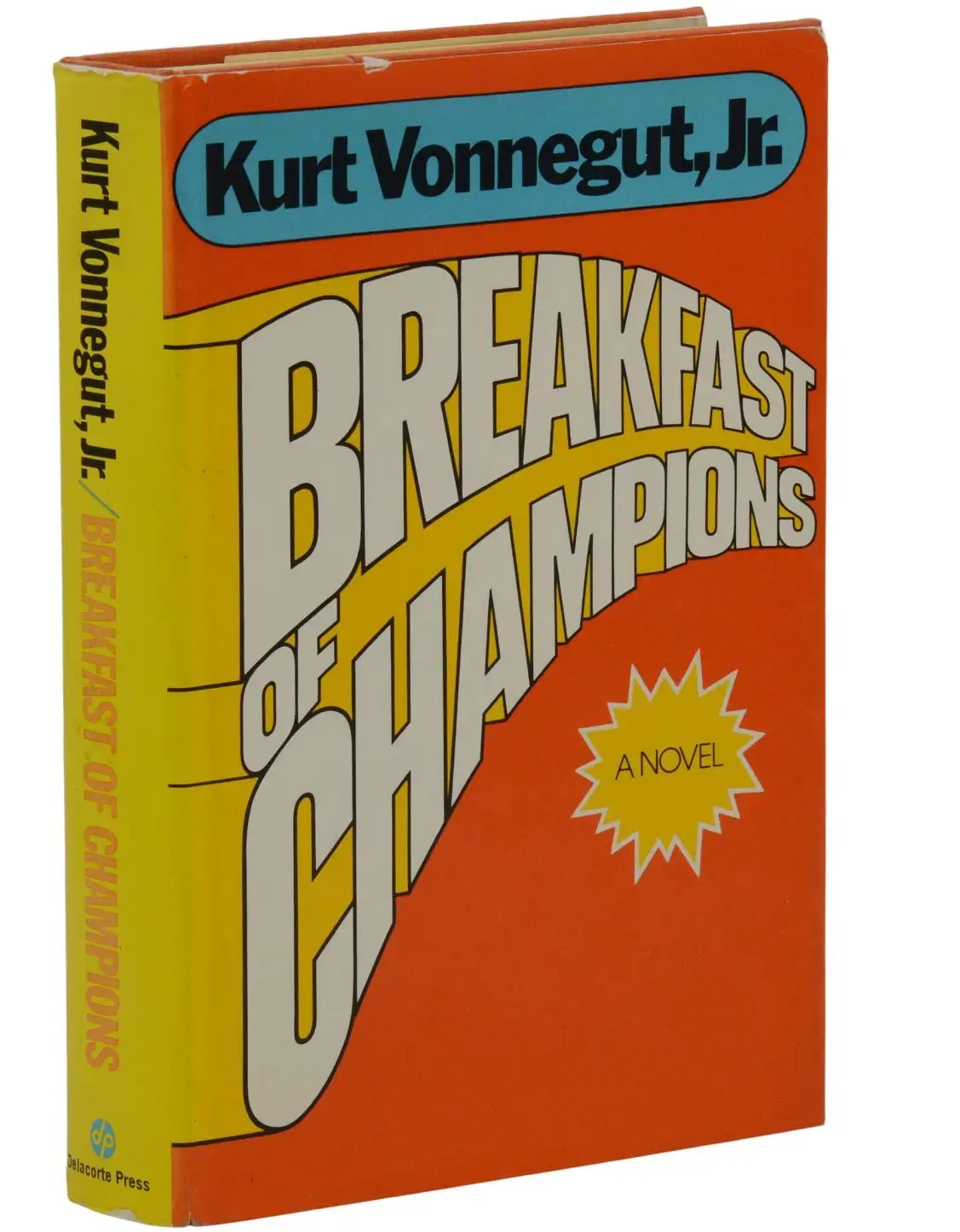
Course | Reading Vonnegut’s Breakfast of Champions with Christina Jarvis | Virtual
As we reflect on America’s 250th anniversary, this course will look back to Vonnegut’s early 1970s attempts to restore “humane harmony” in his brain as he confronted foundational American myths, a damaged planet, and a culture that seemed like a “sidewalk strewn with junk.” Focusing on Breakfast of Champions (1973) and selected short works, this three-session course will explore the how Vonnegut used his newfound celebrity in the wake of Slaughterhouse-Five (1969) to respond to the Vietnam War, the space race and other Cold War technologies, and the broader social, political, environmental, and economic breakdowns he witnessed.

[SOLD OUT] Course | Reading Moby-Dick with Jennifer Greiman | Virtual
From its study of a charismatic authoritarian to its minute account of a global oil economy to the obsessive attention that it pays to the bodies and lives of whales, squid, and other denizens of the sea, Moby-Dick continues to feel very present and very urgent. In the eight sessions of this course, we will take up a slow and close reading of Melville’s monumental novel, taking our time to consider the work in its grandest visions, its most minute observations, and the overall joy with which it attends to –-and attaches us to–-the stuff of life and the world.
Book Club | The Rosenbach Book Club, in Partnership with Abbotsford: The Home of Sir Walter Scott | Virtual
Join the Rosenbach Museum & Library in Philadelphia, Pennsylvania and Abbotsford: The Home of Sir Walter Scott, in the Scottish Lowlands for a transatlantic book club experience! As the United States commemorates 250 years of independence and we mark 210 years since the publication of Sir Walter Scott’s historical novel The Antiquary, the book club will consider how national identity has been formed and reforged via history, literature, and culture in both Scotland the U.S.

Course | Benjamin Franklin: Deeds and Words with George Boudreau | Virtual
In this course, we'll explore the extraordinary deeds as well as the incomparable words of Philadelphia's Benjamin Franklin. Each session will focus on an era and set of writings found in J.A. Leo Lemay's Library of America volumes of Franklin's writings. We'll explore Franklin's autobiography, a text of many parts and many secrets, and still one of the most read and widest studied works written in the 18th century.
Book Club | The Rosenbach Book Club, in Partnership with Abbotsford: The Home of Sir Walter Scott | Virtual
Join the Rosenbach Museum & Library in Philadelphia, Pennsylvania and Abbotsford: The Home of Sir Walter Scott, in the Scottish Lowlands for a transatlantic book club experience! As the United States commemorates 250 years of independence and we mark 210 years since the publication of Sir Walter Scott’s historical novel The Antiquary, the book club will consider how national identity has been formed and reforged via history, literature, and culture in both Scotland the U.S.
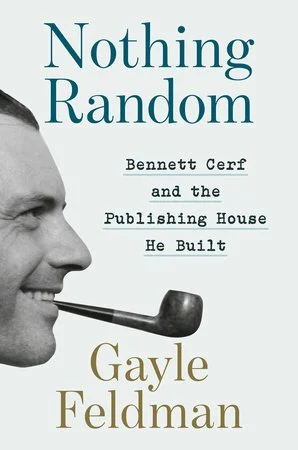
The Rosenbach Presents | The Annual Rosenbach Bloomsday Virtual Talk: Gayle Feldman on Liberating Ulysses | Virtual
Gayle Feldman will relate how, through hard work, inspired archival detective work, sheer luck, and knowing the proclivities of her subject, she was able to uncover new information on the role the go-betweens played in putting Joyce's Ulysses into the hands of the right publisher at the right time, who was then able to put it into the hands of waiting readers.
Biblioventures | Tolkien, Beowulf, and Faerie | Virtual
Our Hobbit fun continues with this subscription-only show with two of the leading Tolkien scholars in the world, Michael D.C. Drout and Corey Olsen. In this four episode series we’ll explore the medieval works that influenced Tolkien, as well as his translations and famous essays.

[SOLD OUT] Course | Reading Anne Brontë with Claire O’Callaghan | Virtual
This five-week course offers an in-depth exploration of Anne Brontë’s life and works. The youngest of the Brontës, Anne is sometimes overshadowed by her elder sisters, whose works have achieved greater prominence in literature and culture. Yet Anne’s writing is no less powerful or profound, offering a unique voice unafraid to confront and represent the darker, more uncomfortable aspects of 19th-century culture. Through close reading, discussion, and consideration of the historical context of her two published novels, Agnes Grey (1847) and The Tenant of Wildfell Hall (1848), this course will explore what Anne had to say about morality, gender, class, religion and the struggle for independence. We will give particular attention to how and why Anne wanted to interrogate and challenge Victorian social conventions with clarity and courage.
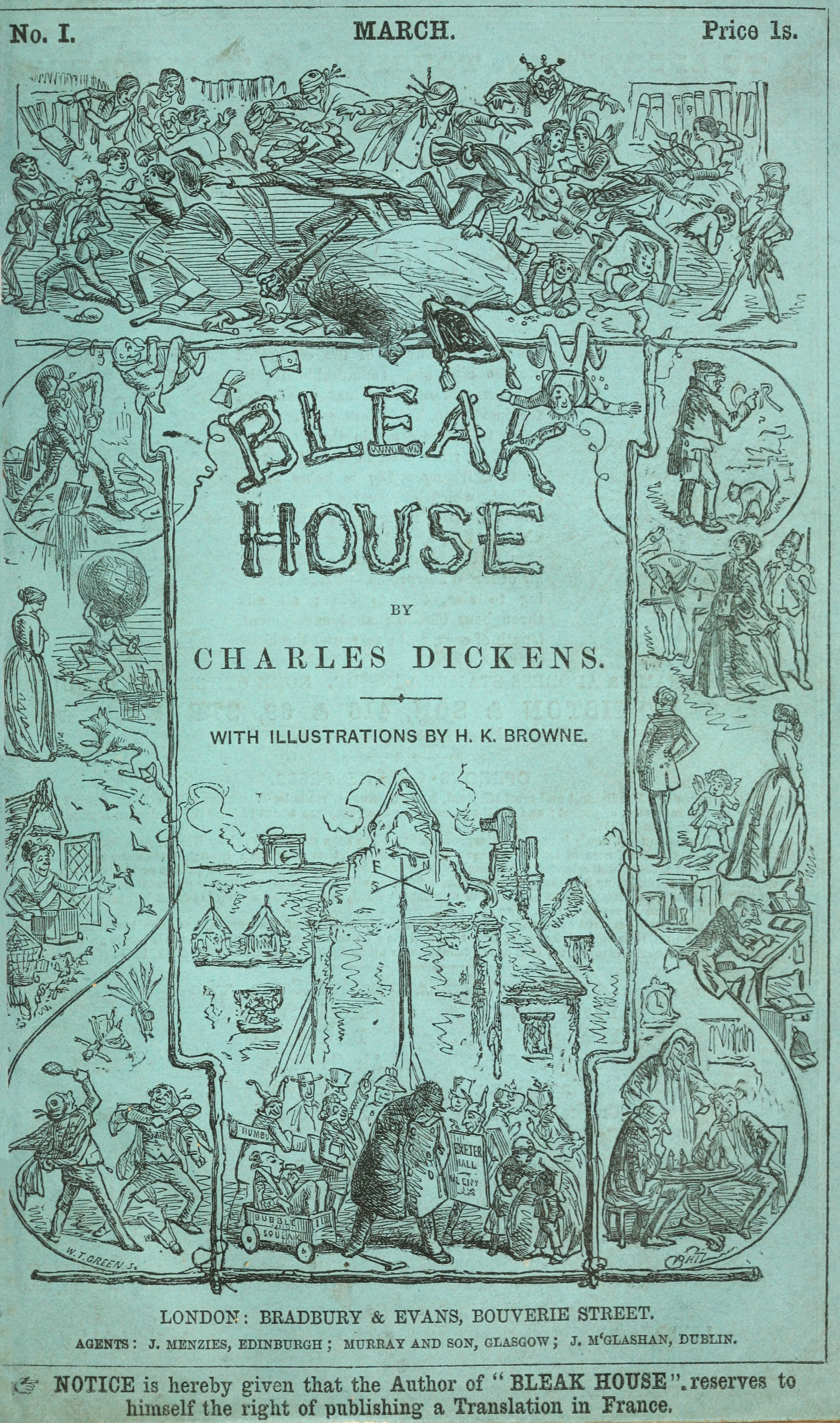
[SOLD OUT] Course | Reading Bleak House with Olivia Rutigliano | Virtual
Our course will take place across six sessions, with one week between each meeting.

Course | The Medieval T.S. Eliot with Mary Alcaro | Virtual
In this five-session course, we will uncover some of the medieval influences upon Eliot’s most famous work, including selections from The Wasteland, Four Quartets, and Murder in the Cathedral. Along the way, we’ll investigate how and where he draws upon the Arthurian Grail cycle, Christian mysticism, and The Canterbury Tales.

Course | Brief Wonders: Latin American Short Fiction with Luciano Martinez | Virtual
Beginning with Edgar Allan Poe’s influence on Horacio Quiroga—who adapted Poe’s gothic intensity and psychological suspense to the jungles and borderlands of the River Plate and Misiones—this course traces the evolution of the contemporary Latin American short story in English translation. We’ll read pivotal writers—Borges, Rulfo, Fuentes, García Márquez—and spotlight the vital contributions of women writers, including Rosario Ferré and Mariana Enríquez.
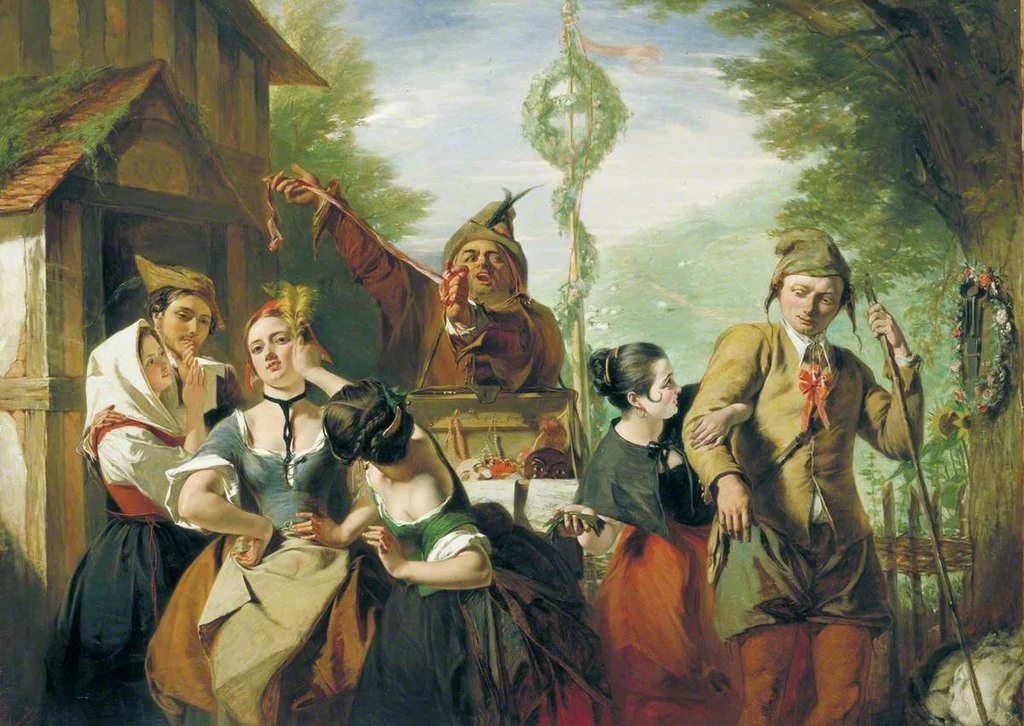
[SOLD OUT] Course | Shakespeare’s Green Worlds with Sir Jonathan Bate | Virtual
This course will explore this theme in three plays: the perfectly formed comedy As You Like It, the searing tragedy King Lear, and the graceful romance The Winter’s Tale. Along the way, we will discover that the virtues of the green world speak especially powerfully to us today in a time of division and disruption in both the social and the natural environments.

Course | Reading The Charterhouse of Parma with Liesl Schillinger | Virtual
This book is more than a romance, more than a slice of history brought to life— it’s a detailed demonstration of how individuals of art and wit can preserve their agency in eras when it’s under attack from oppressive societal forces. In close reading, we will explore the lasting power of Stendhal’s vision and the legacy of The Charterhouse of Parma.
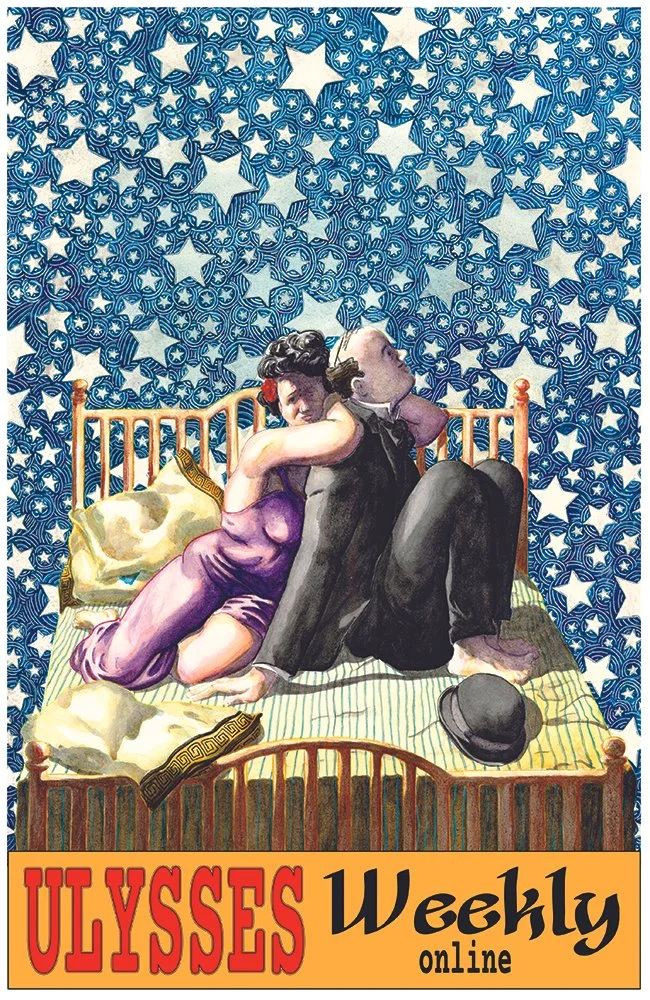
[SOLD OUT] Course | Ulysses Weekly with Robert Berry | Virtual
This immersive weekly course will help readers explore (and enjoy) the intricacies, enigmas, and hilarities of Ulysses. First-time readers of the novel will find many resources for understanding this challenging work. For those returning to the novel, this will be a great way to delve into a book whose depths never seem to end.

Course | Reading Philip Pullman’s His Dark Materials with Kristen Poole | Virtual
This is the adventure of Philip Pullman’s His Dark Materials trilogy—The Golden Compass (UK title: Northern Lights), The Subtle Knife, and The Amber Spyglass. These books are not only international bestsellers, they have been adapted for film, stage, graphic novels, and other media. In this course, we will read these books in community, following their many paths and considering their literary inheritance.

Course | Reading Johnson and Boswell with Jack Lynch | Virtual
Over the course of four biweekly meetings we’ll read some of Johnson’s most important works—essays, poems, fiction, travel narratives, biography—and selections from Boswell’s Life. The focus will always be on the humanity of the man behind the works.
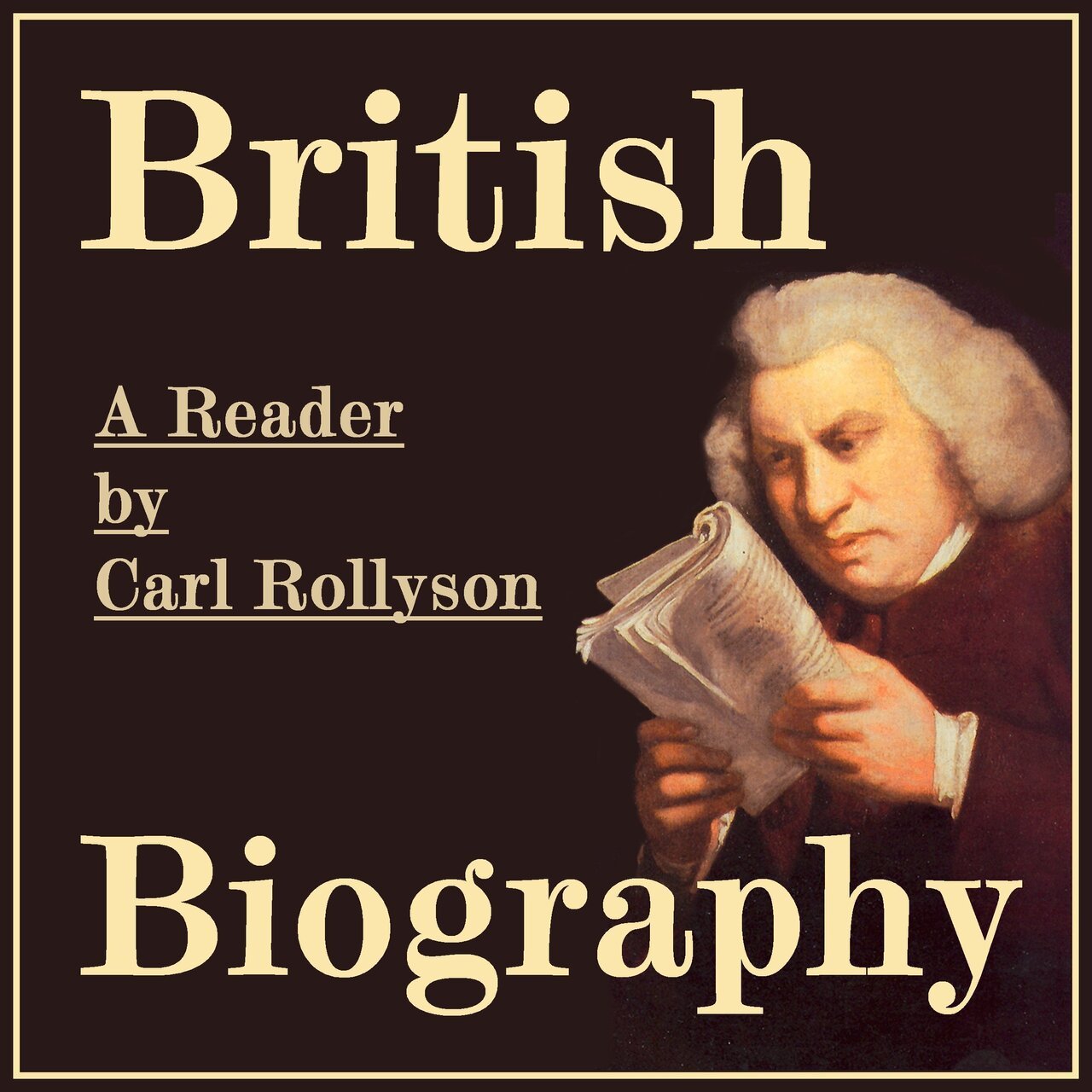
Course | The Art of Literary Biography with Carl Rollyson | Virtual
Readings from British Biography: A Reader will inform course discussion on what makes a biography comparable in some ways to the novel and in others to works of history and literary criticism.
Biblioventures | The Hobbit | Virtual
We’re going on a Biblioventure to Middle-Earth with J.R.R. Tolkien’s first fantasy novel, The Hobbit.

Course | Melville’s America with Jennifer Greiman | Virtual
As Melville moved between historical fictions of the late-18th century and portraits of America in the 1850s, he fictionalized figures like Benjamin Franklin, rewrote the memoirs of sea captains and frontier lawmen, and captured with brutal precision and irony, elements of the American character that endure to this day. In the first three sessions of this course, we will cover one short work per week, reserving the last two sessions for the raucous satire of The Confidence-man, which Philip Roth described in 2016 as “the darkly pessimistic, daringly inventive novel” that speaks most directly to America today.