

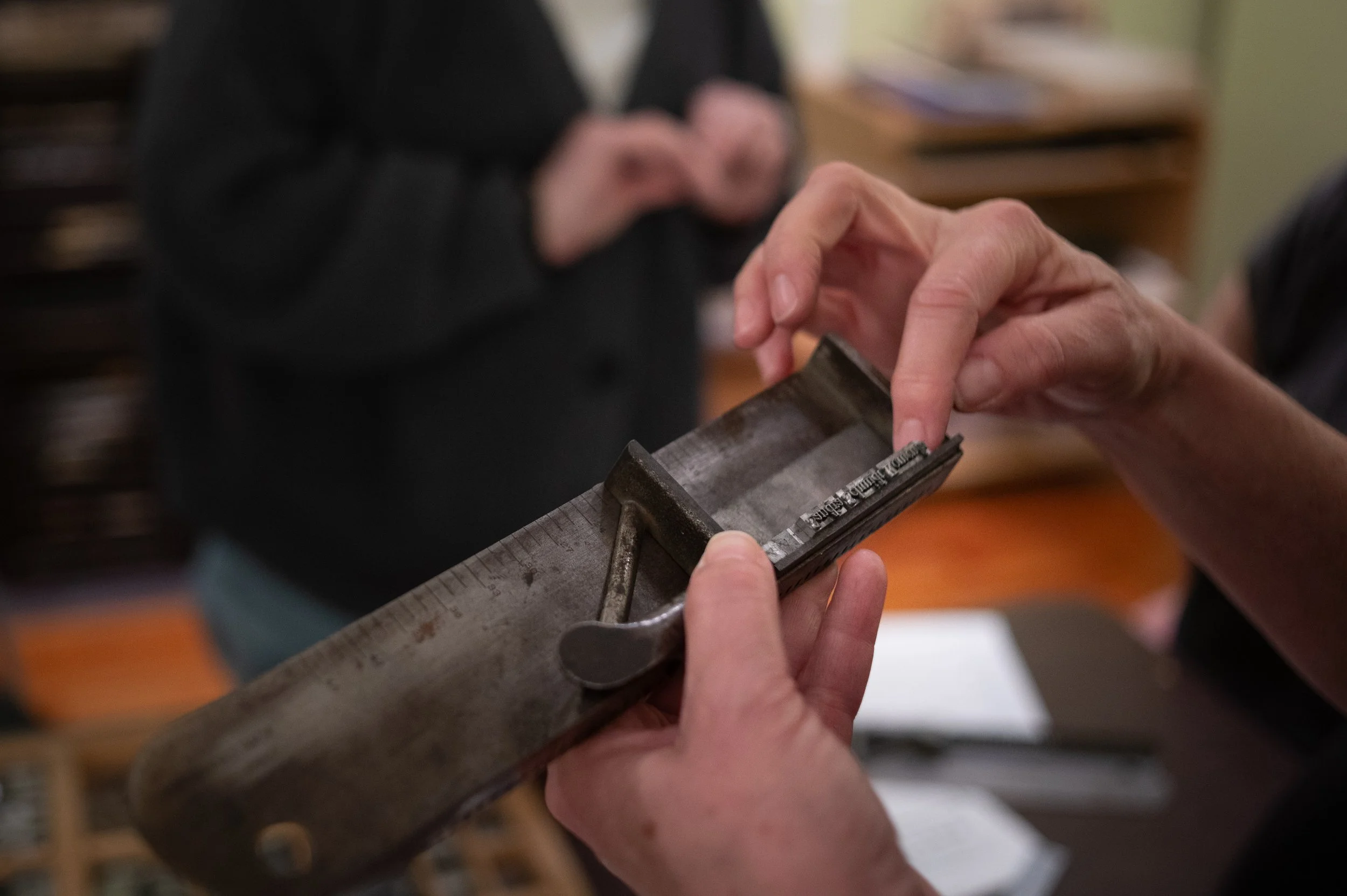
Course | Intro to Letterpress: Printing Edgar Allan Poe | In-Person
Dive into that material history with this hands-on class, which will cover the foundations of letterpress, from setting metal type to pulling prints. Participants will craft a collaborative and seasonally appropriate chapbook of Edgar Allan Poe’s poetry on an iron handpress.
![[SOLD OUT] Course | Reading Ulysses with Vicki Mahaffey | In-person](https://images.squarespace-cdn.com/content/v1/66fb68a83ed38c0c99c762f9/1779551534558-JXH6BWU9Y8DDT9JWTAMH/Ulysses+course.jpg)
[SOLD OUT] Course | Reading Ulysses with Vicki Mahaffey | In-person
Read Ulysses with one of the leading James Joyce scholars in an intimate in-person setting at the Rosenbach. One of the challenges of reading Ulysses on one’s own is that we tend to see (or object to not seeing!) what we expect to find. Slow reading in a communal setting allows readers to access the unexpected, the incomprehensible, the bizarre complexity of daily life.
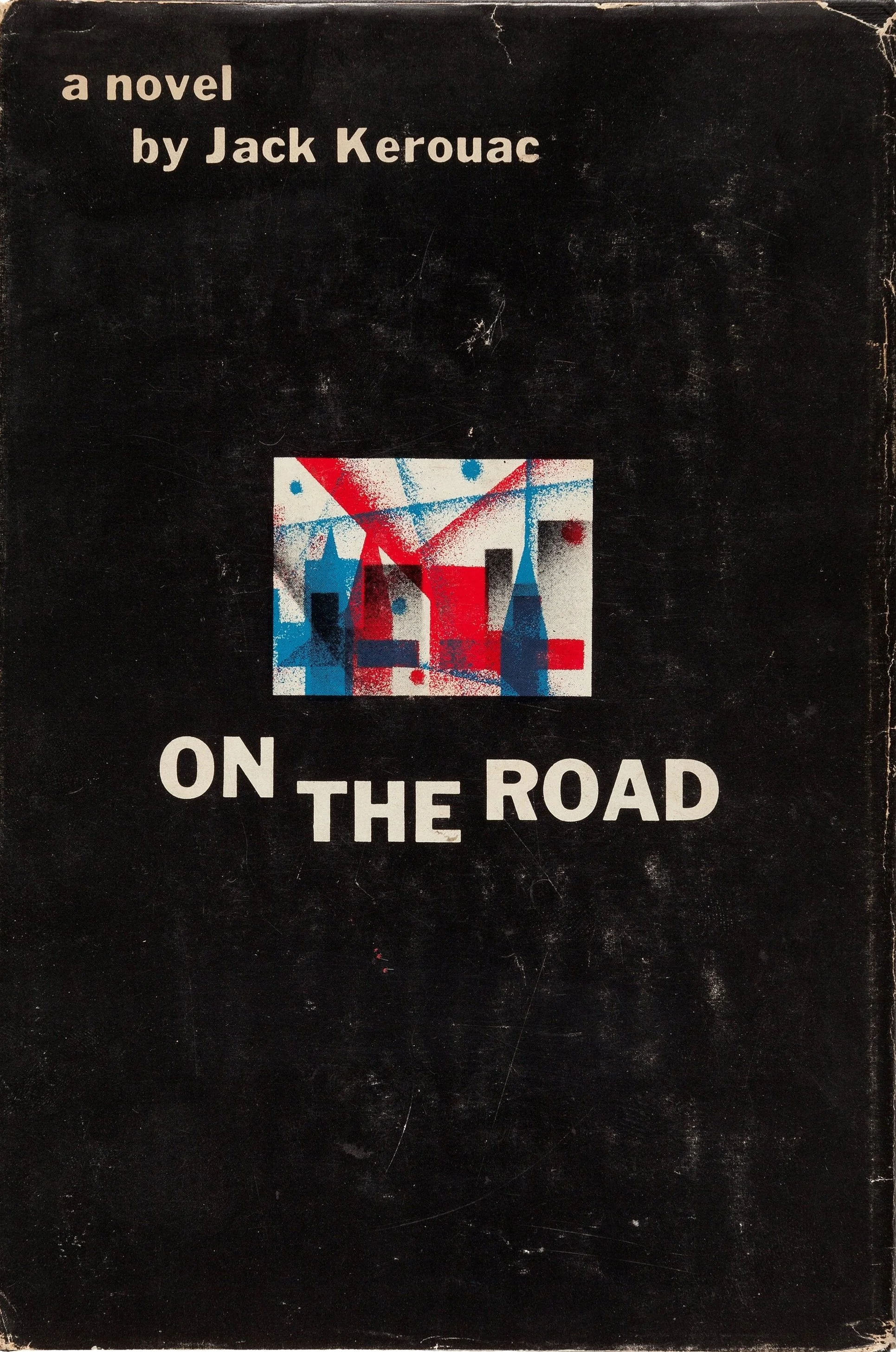
Course | Kerouac’s On the Road with Jean-Christophe Cloutier | Virtual
On the Road is both a modern epic of male escape from domesticity, peddling a fantasy of mobility as freedom (often at the expense of those left behind), and a disarmingly authentic search for meaning and spirituality in a fallen postwar world of conformity, capitalism, and prescribed sexual norms. In this course, we will try to come to terms with the novel’s complex legacy as we read it both in the context of its time and through the lens of Kerouac’s own background as a first-generation American born of French-Canadian parents.
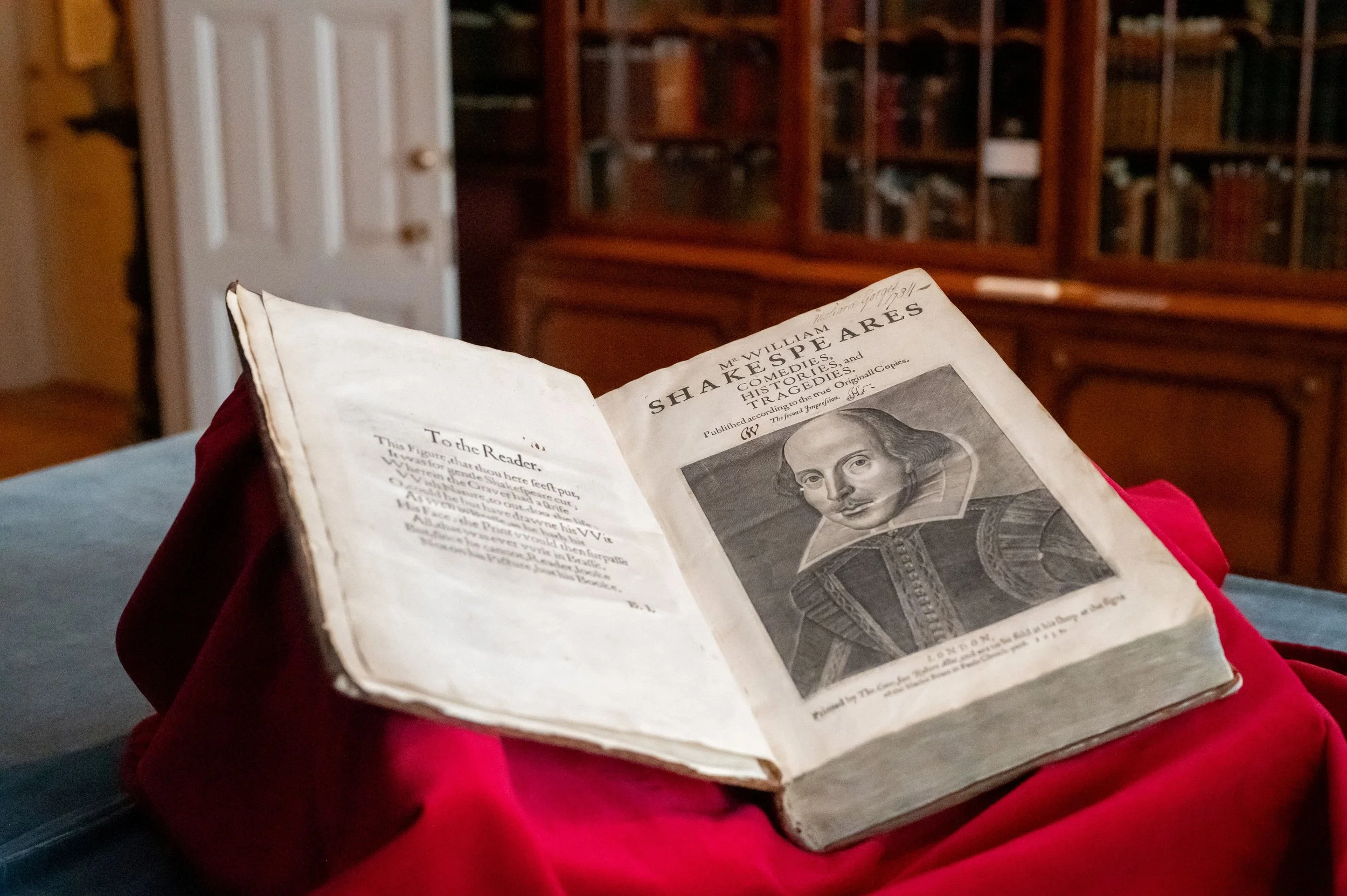
Course | Shakespeare’s Titus Andronicus with Jim Casey | Virtual
Titus Andronicus is Shakespeare’s earliest tragedy and possibly his first published play. It is certainly his bloodiest and is perhaps the most disturbing of all his texts, seeming to some playgoers to be more like an early modern version of a Quentin Tarantino movie than what they normally associate with Shakespeare.
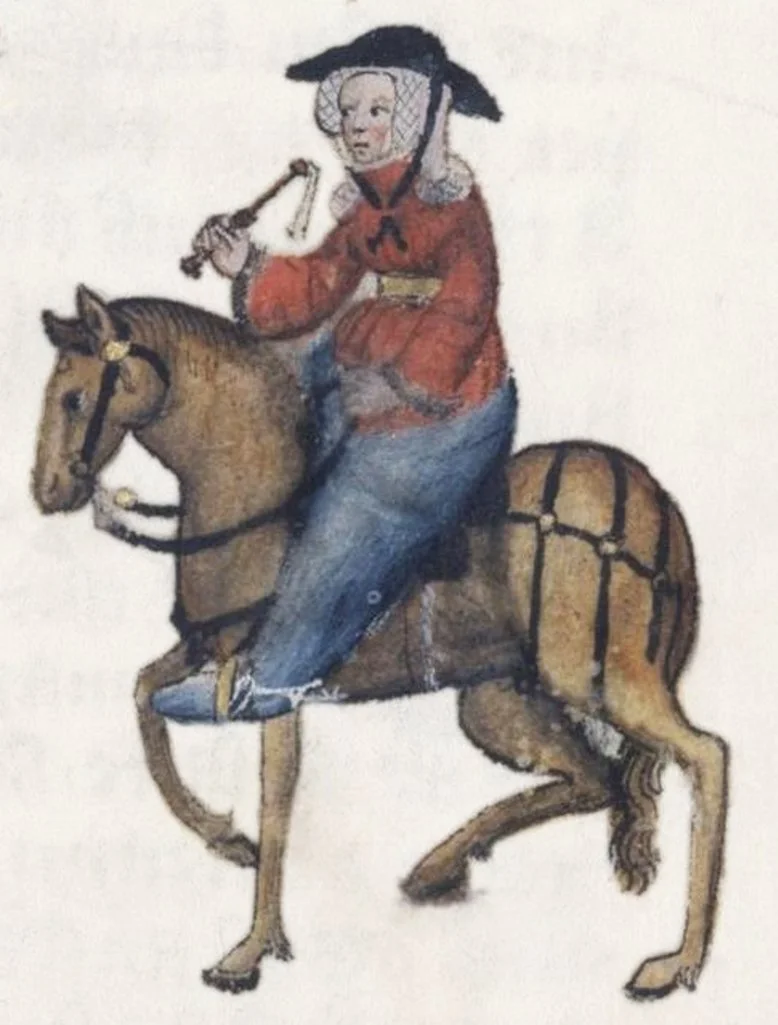
Course | Meet the Wife of Bath: Chaucer Aloud with David Wallace | In Person
Chaucer wrote his poetry to be read aloud, and the Wife of Bath is the loudest, and most famous, of his Canterbury pilgrims. We will also consider those tales that immediately follow the Wife in the Canterbury Tales sequence: those of the Friar and Summoner. But the Wife is the main event.
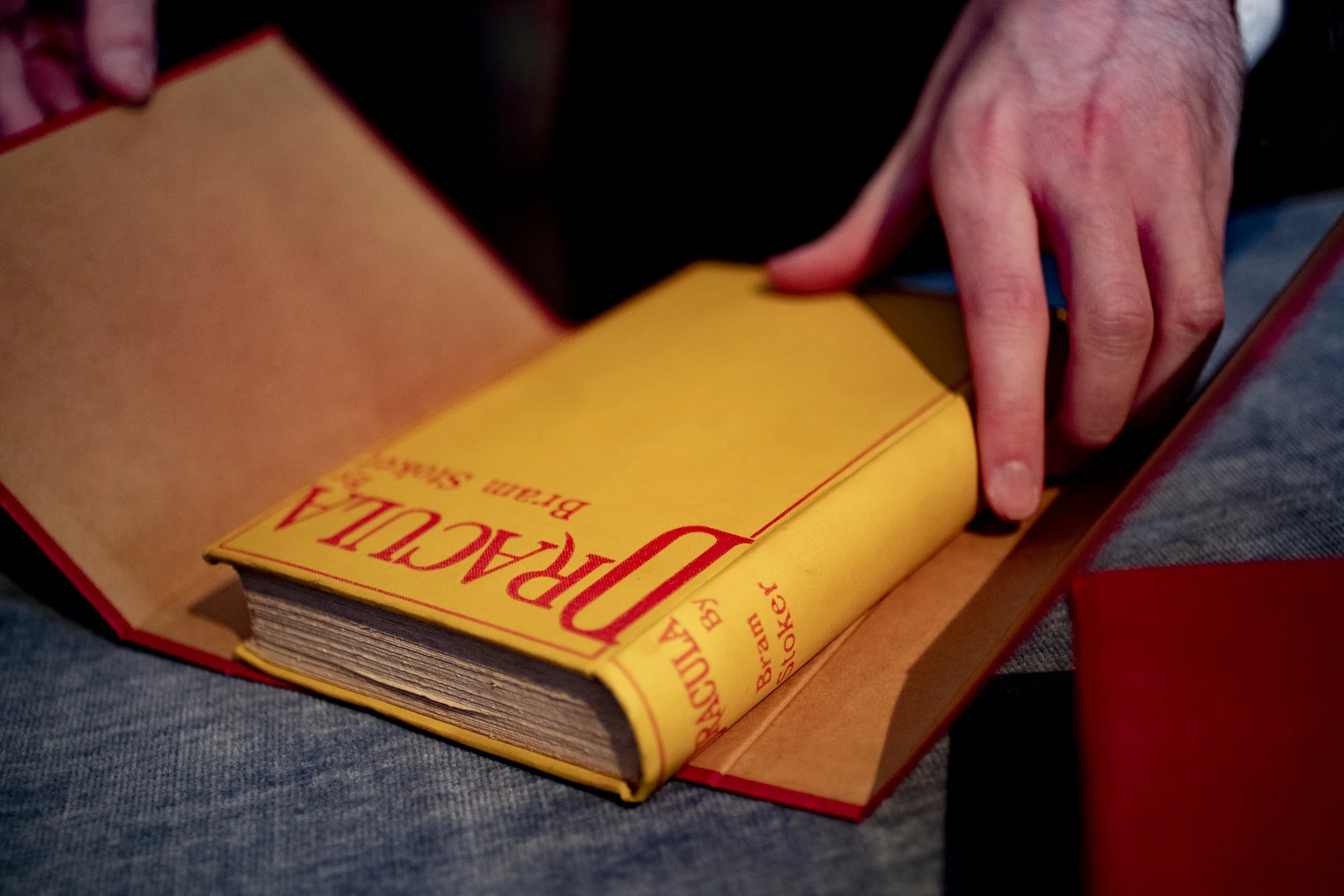
Course | Reading Dracula with John Edgar Browning | Virtual
In this course, we’ll consider how Dracula highlights the fears and anxieties of the culture that produced it and discover how this vampire story, and its themes of otherness, race and ethnicity, and sexuality and gender, is still relevant for contemporary readers.
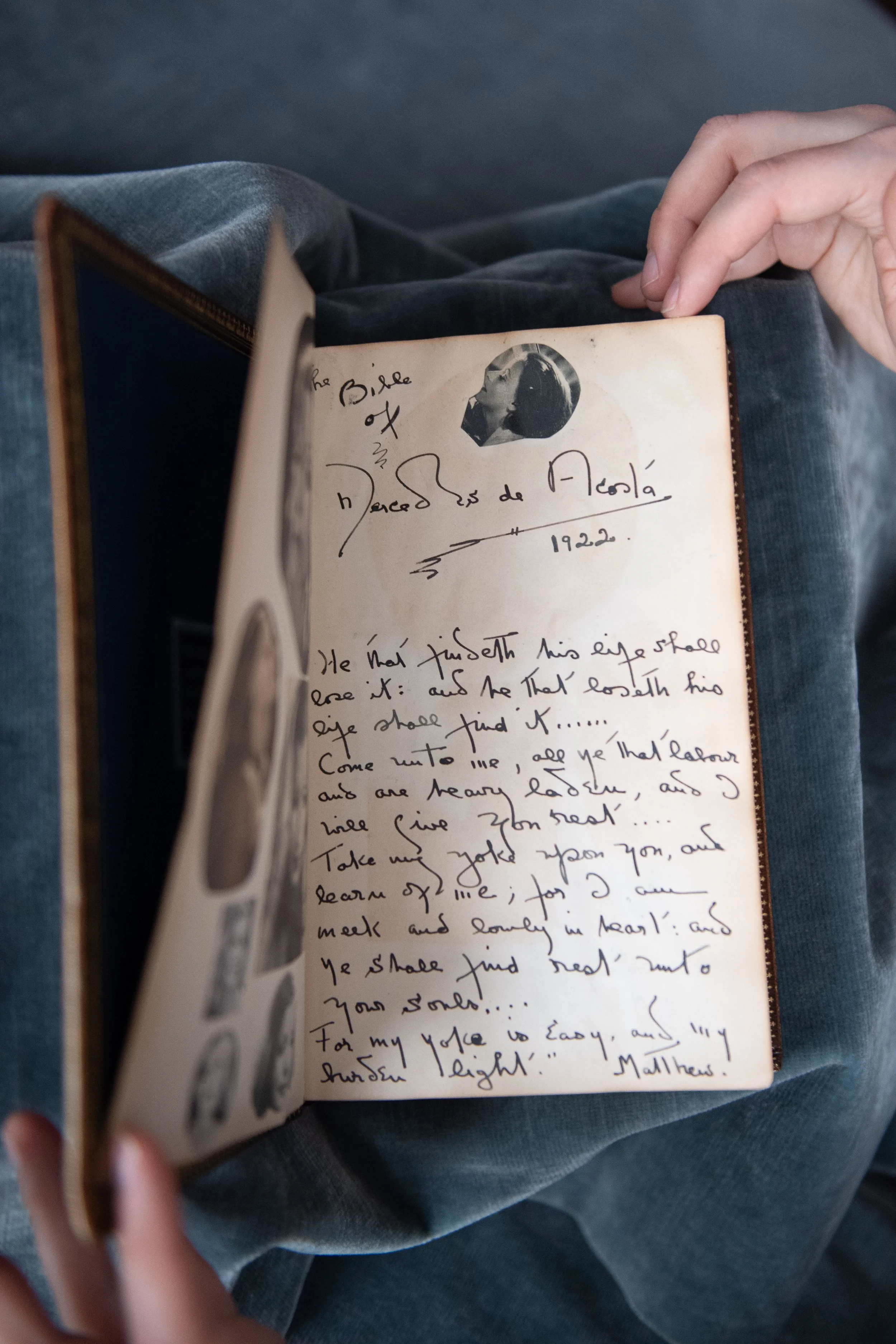
Course | Writing Queer Identities with Greta Garbo and Mercedes de Acosta | In-Person
Celebrate National Coming Out Day 2026 at the Rosenbach, as we find inspiration for sensual Queer self-expression in the papers of lesbian playwright Mercedes de Acosta (1892-1968). Participants will leave the Rosenbach with a copy of an Acosta love poem, their own poetry, as well as a lavender pen to continue exploring and expressing Queer identity following the course.
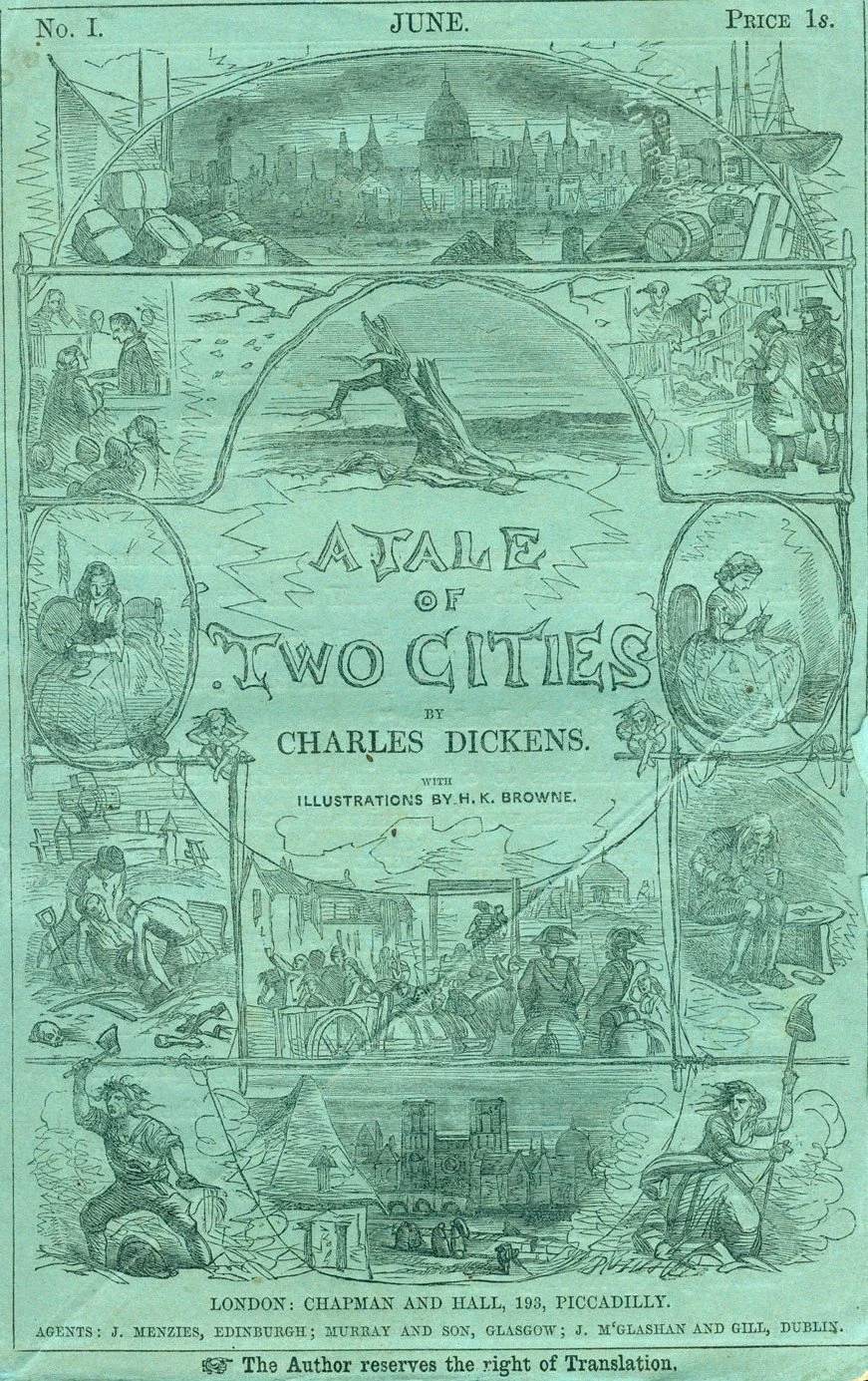
Course | Dickens’s A Tale of Two Cities with Edward G. Pettit | Virtual
In this seminar, we’ll go beyond the best and worst of times and examine the wisdom/foolishness, belief/incredulity, Light/Darkness, hope/despair, etc. in a story that attempts to encapsulate a cataclysmic historical event, told by an author at the top of his abilities who had also just turned his life upside down with a series of personal decisions: abandonment of his wife; a young secret mistress; shuttering of his long-running magazine; start of a new magazine; and his first public reading tour. In effect, Dickens himself was leading a kind of small-r revolution against himself at the time he was writing about Revolution.
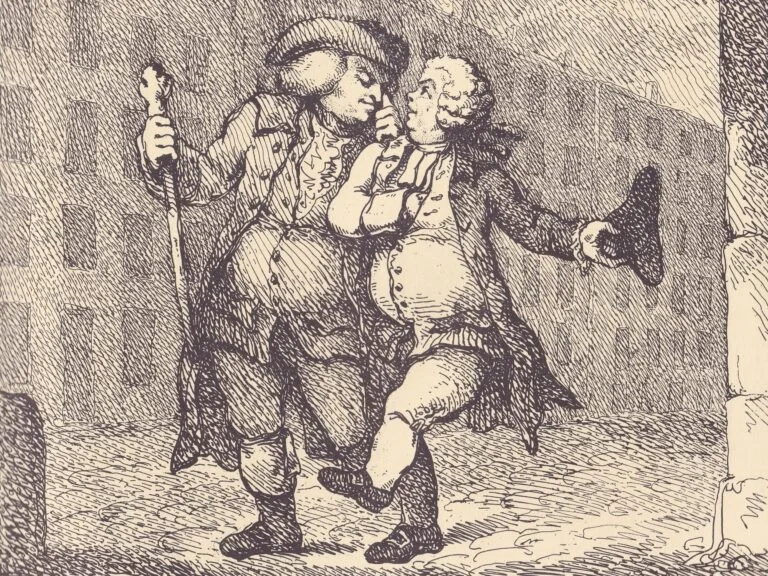
Course | Johnson and Boswell in Scotland with Jack Lynch and Celia Barnes | Virtual
Few literary friendships are as consequential as the one between Samuel Johnson and James Boswell. In this five-session course, Jack Lynch and Celia Barnes will guide participants through close readings and lively discussion of fascinating intertwined texts.

Course | Reading Finnegans Wake with Mike Barsanti | In-person
Trek through the Joycean high country with Rosenbach Joyce Sherpa Mike Barsanti as he leads an intrepid group of readers through a truly unique work of literature. Designed for first-time readers, the course will help students find a method for reading (and re-reading!) the “Wake,” while benefiting from the shared experiences of the group. There are nine course sessions from October to June.
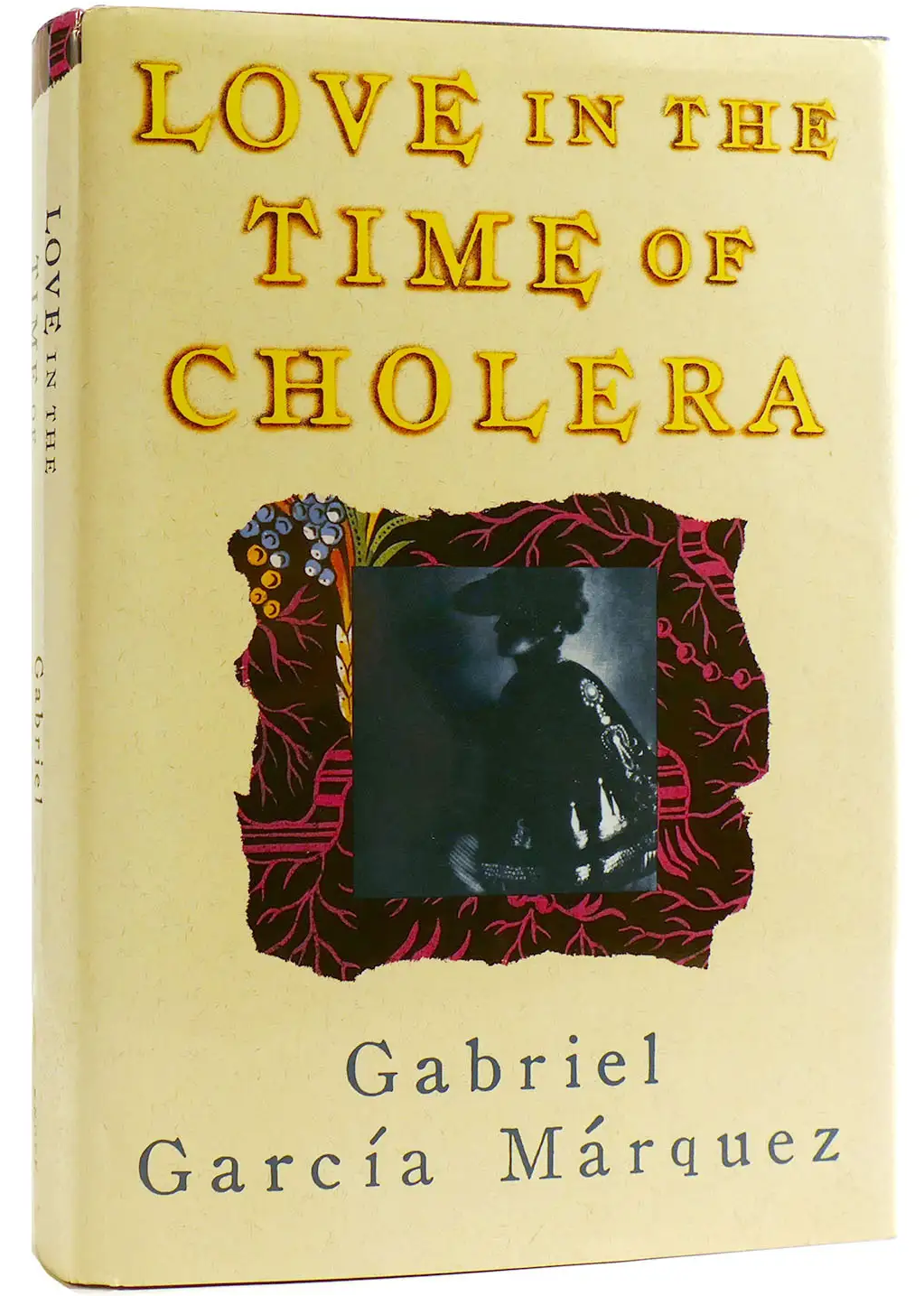
Course | García Márquez’s Love in the Time of Cholera with Luciano Martinez | Virtual
This course explores Gabriel García Márquez’s seventh novel—his self-proclaimed masterpiece and his only work devoted entirely to love. Moving away from magical realism and solitude, this novel is a grounded meditation on the many dimensions of love: romantic, platonic, and mature traced across decades of longing, separation, and reunion.
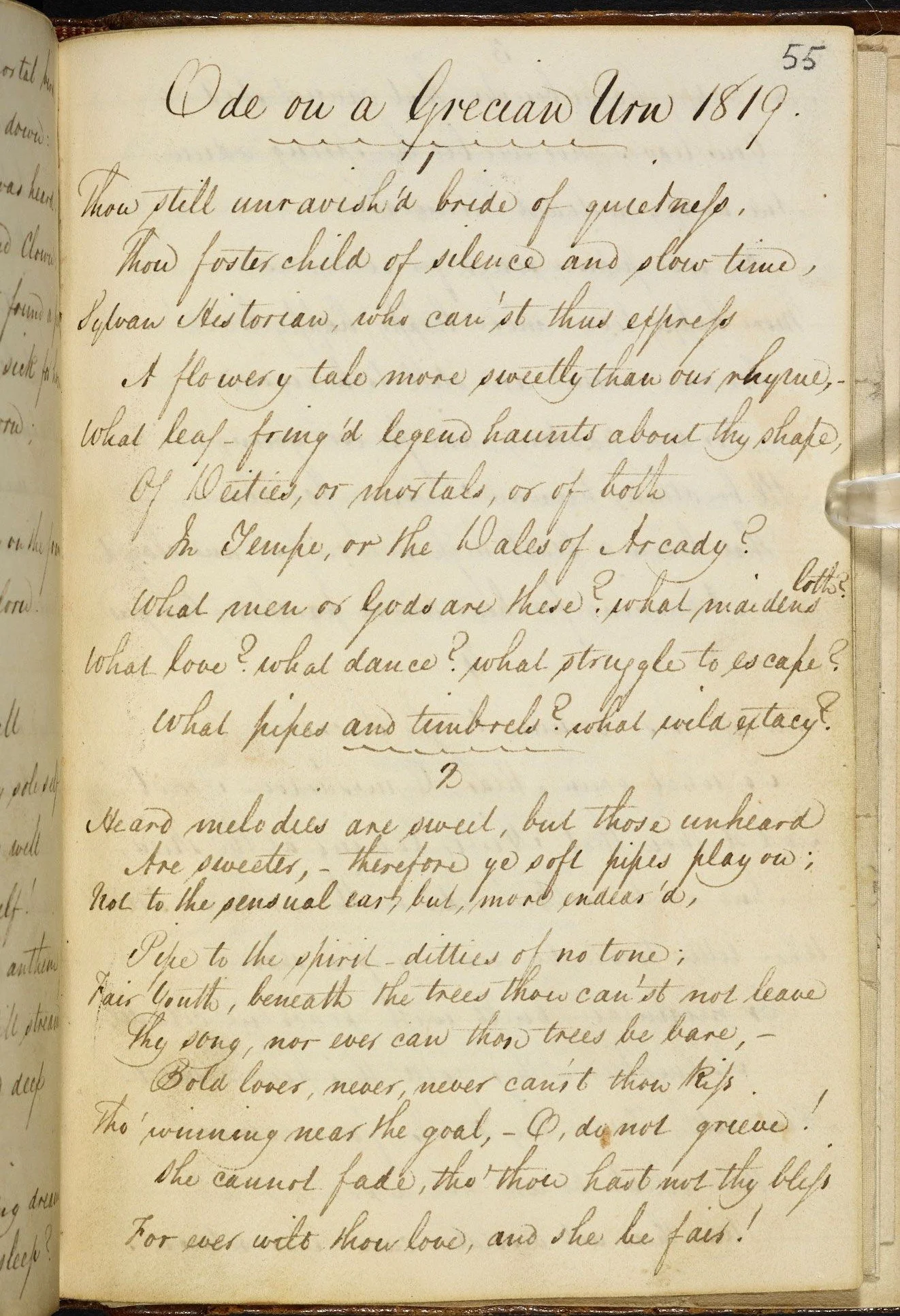
Course | The Odes of John Keats with Sean Hughes | Virtual
Each session will include some relevant background, but our discussions will be guided by the interests of participants. Likely topics will include desire, the crushing weight of history, what we want from pleasure, the meaning of devotion in the absence of faith, art, loss, the uses of fantasy, and what it’s like to be a human being with a fragile, needy body.
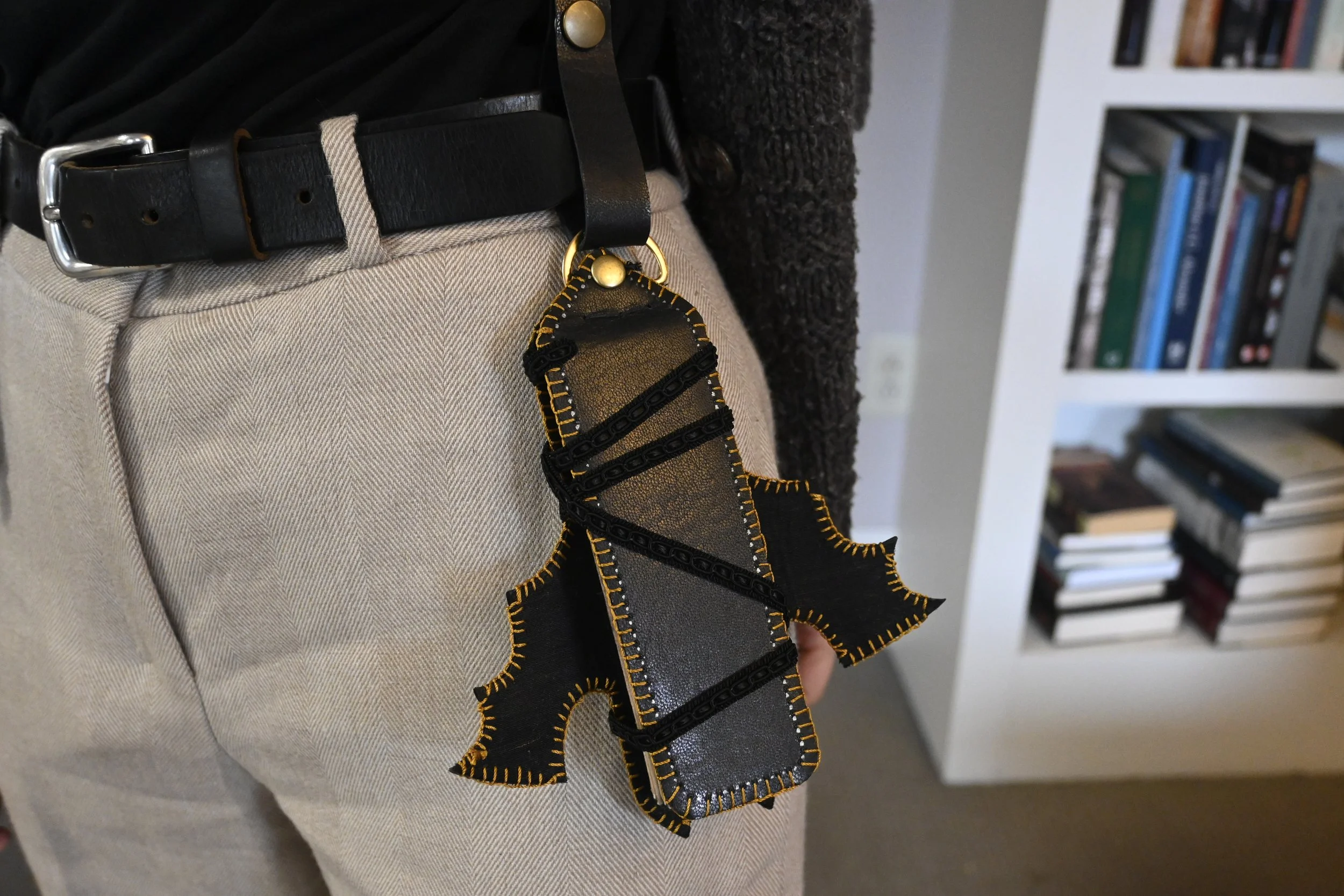
Course | Making a Medieval Bat Book | In-Person
Let’s bring back the Medieval trend of wearing books as fashion accessories! In this hands-on bookbinding class, you will craft a belt book inspired by the Rosenbach’s 1364 illuminated almanac, which is also known as a “bat book.”
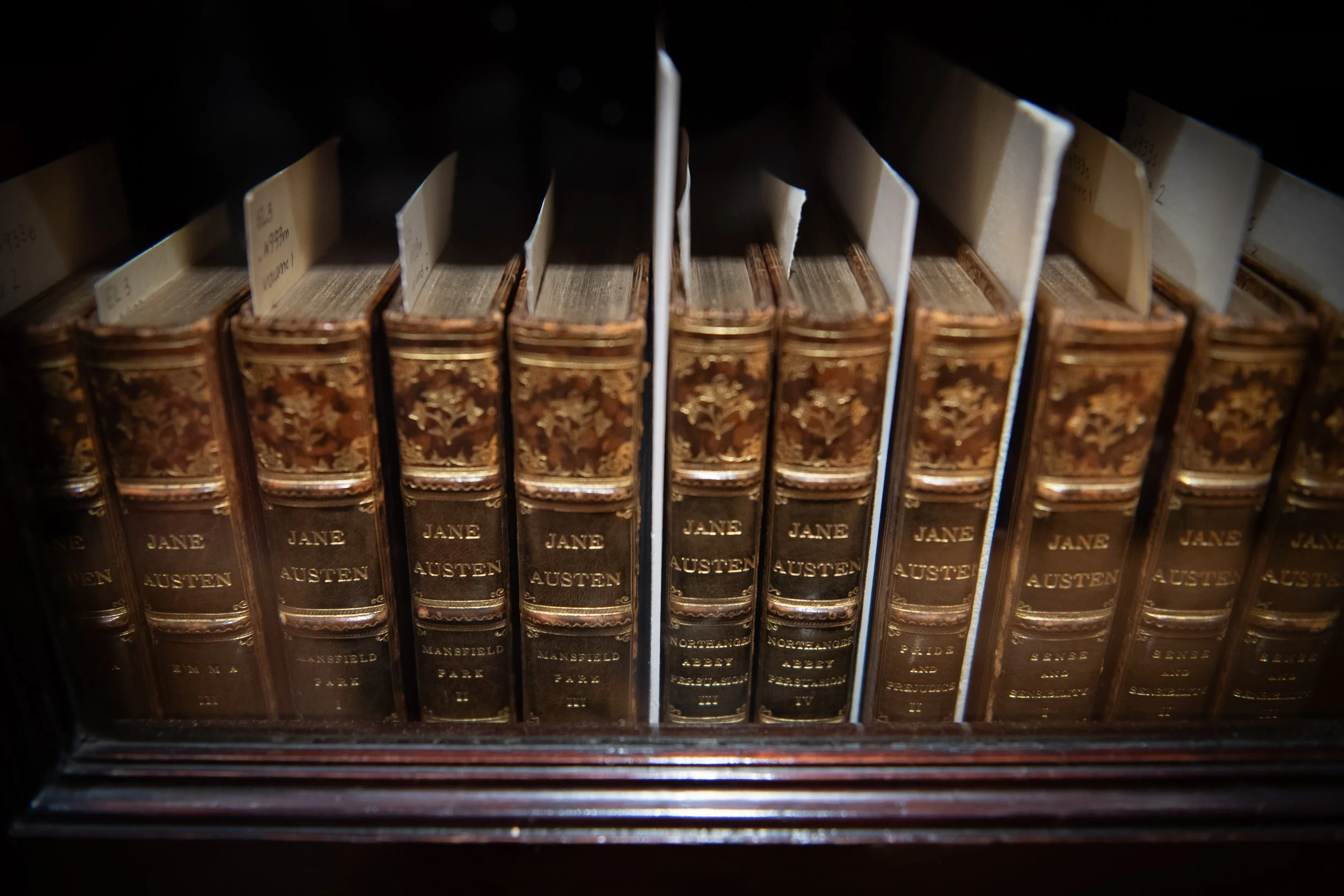
Course | Sense and Sensibility and its Afterlives with Claudia L. Johnson | Virtual
We will launch our Sense and Sensibility-fest by reading some of Austen’s early sketches, whose complexity, penetration, and energy will provide us with a suggestive backdrop for the novel.
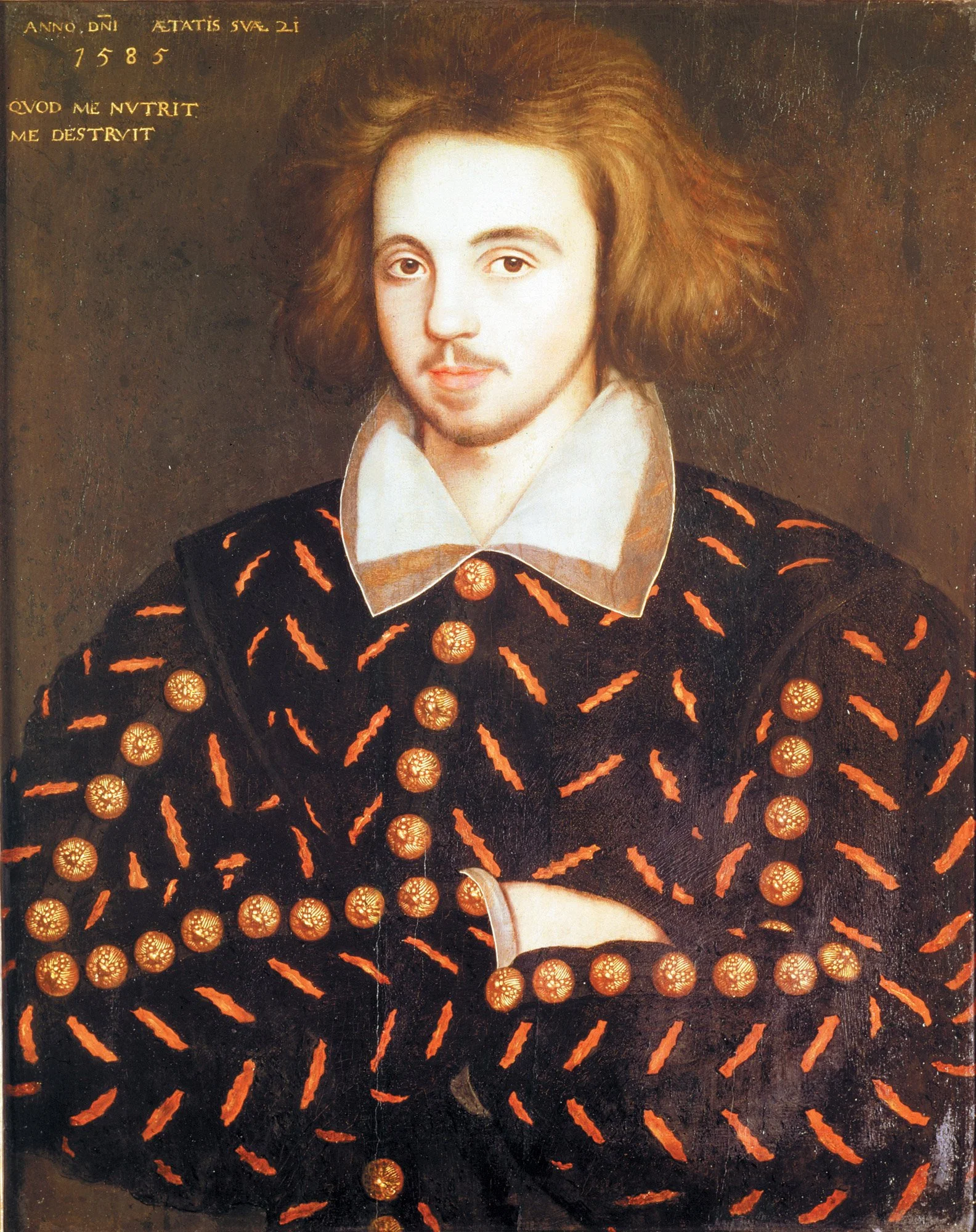
Course | Doctor Faustus and Edward II: Marlowe’s Mighty Line with Ed Simon | Virtual
In Christopher Marlowe’s writing, all certainties are questioned, faith can be treated scurrilously, and the Devil is always just a contract away. Join Ed Simon as he explores the writing and the world of Renaissance England’s most scandalous of writers.
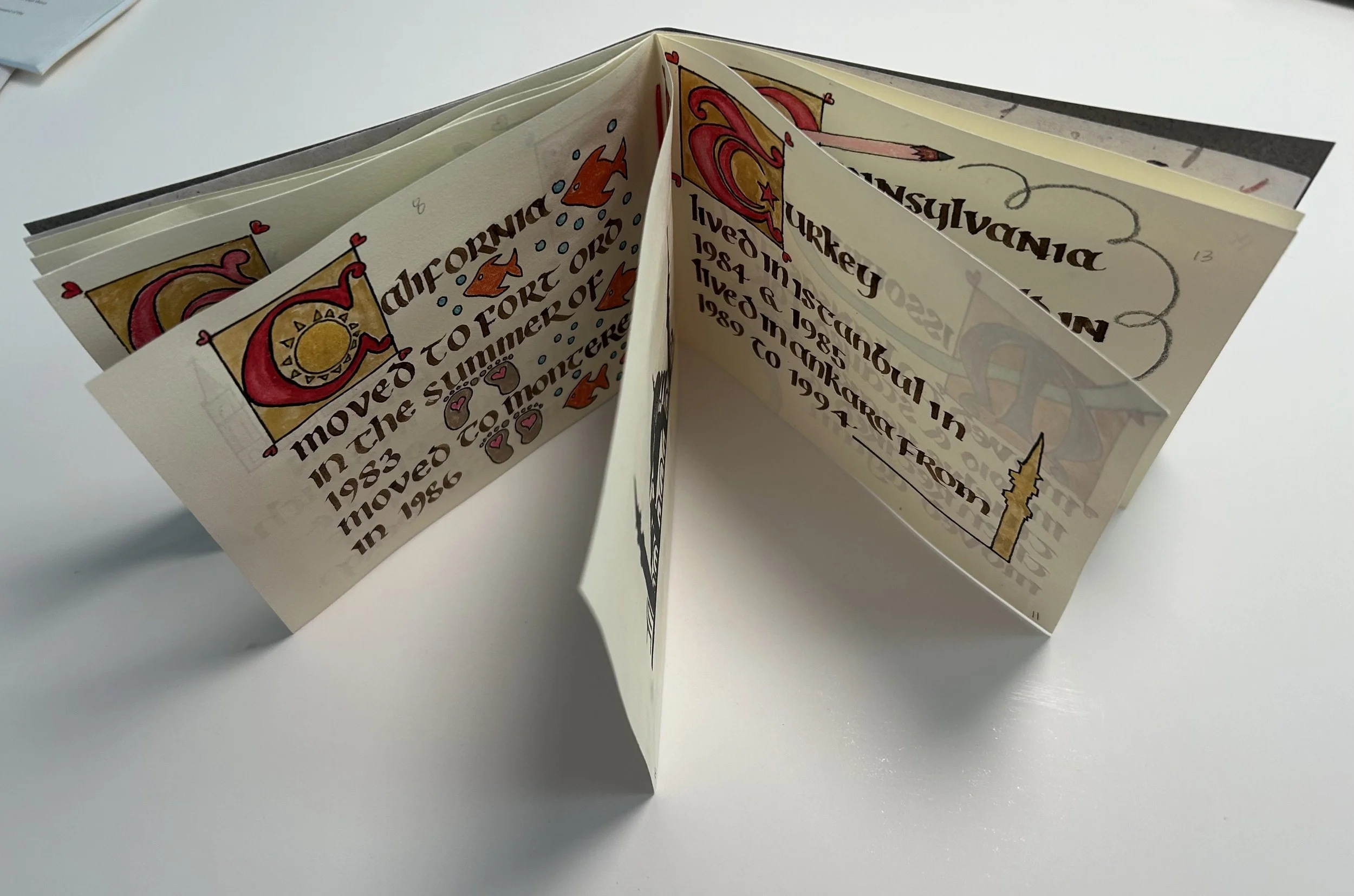
Course | Intro to Celtic Calligraphy | In-Person
In this two-hour, immersive, hands-on workshop, distinguished local Irish American calligrapher and manuscript illuminator Susan Kelly vonMedicus will introduce you to Irish manuscript heritage and teach the Uncial script found in the Book of Kells and other early Irish manuscripts. By the end of the two-hour course, you will possess a foundational ability in using the Uncial alphabet, and you will have gained experience assembling words and sentences using the script.
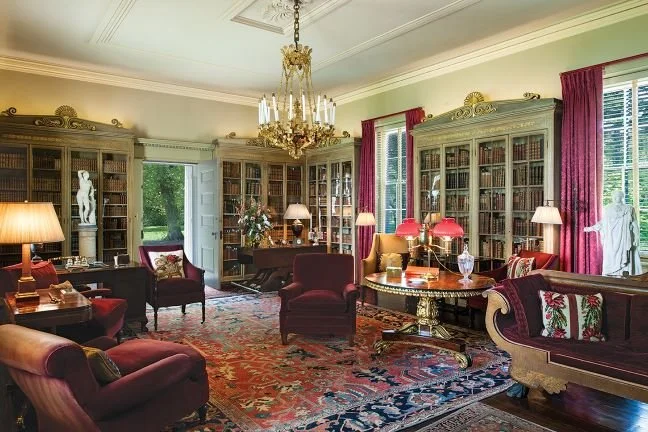
Course | An Afternoon in Enlightenment Paris: Exploring the College & Country House Library of Nicholas Biddle at Andalusia | In-person
Join Andalusia, the Rosenbach, and the Alliance Française de Philadelphie for a special opportunity to spend an afternoon in the library of one of early America’s most important intellects, engaging with his collection of 18th-century books and other library treasures.
Course | An Afternoon in Enlightenment Paris: Exploring the College & Country House Library of Nicholas Biddle at Andalusia | In-person
Join Andalusia, the Rosenbach, and the Alliance Française de Philadelphie for a special opportunity to spend an afternoon in the library of one of early America’s most important intellects, engaging with his collection of 18th-century books and other library treasures.
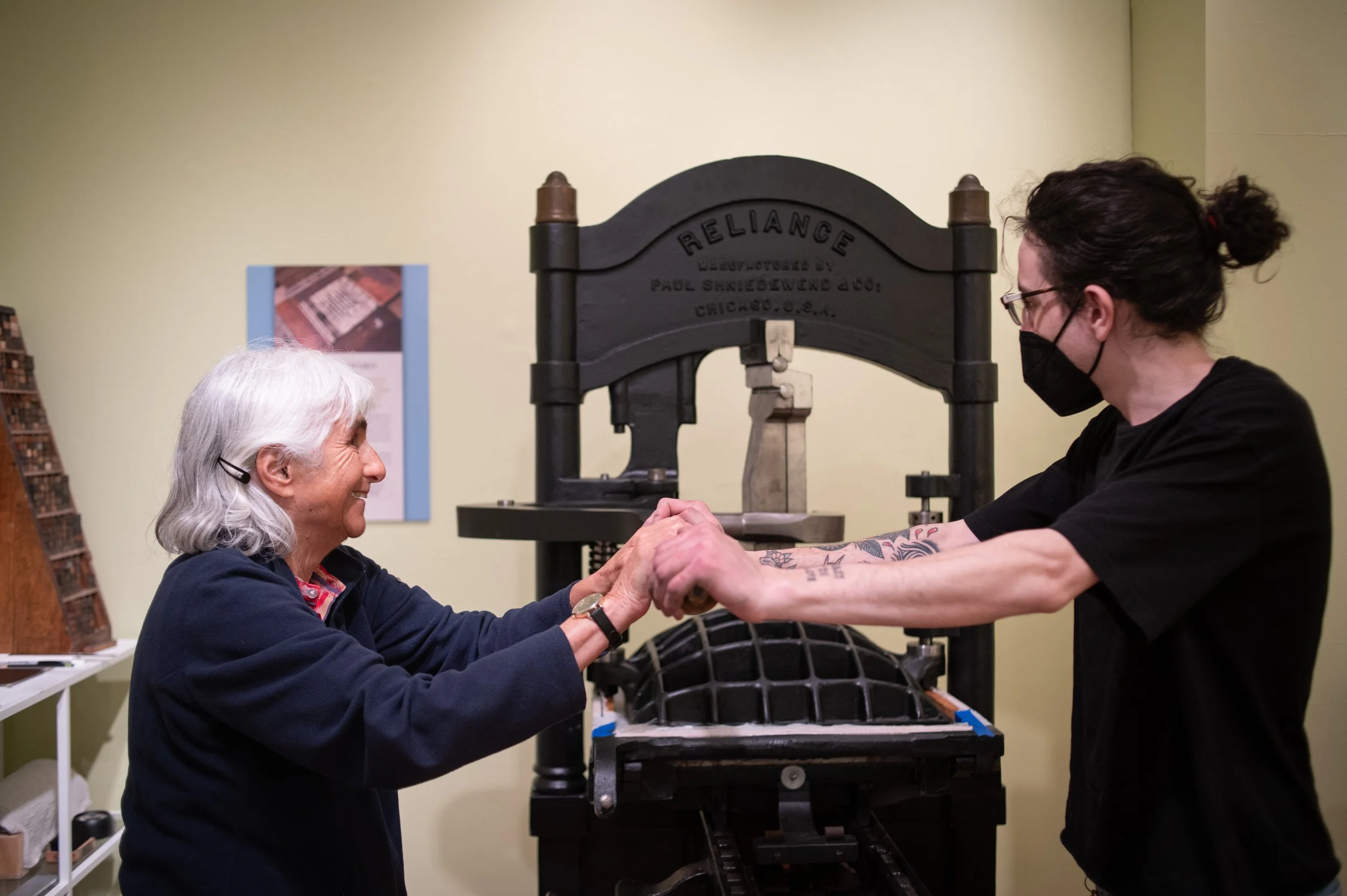
Course | Drop in & Print: Seasonal Cards | In-Person
Looking for a one-of-a-kind way to celebrate the season? Join us at the Rosenbach Book Arts Center to print greeting cards designed with our unique collection of beautiful metal type and ornaments.

Course | Letterlocking: Early American Discoveries with Jana Dambrogio | In-Person
This hands-on class invites participants to explore how individuals folded letters to function as their own creative, and occasionally top-secret, enclosures before (and after) the invention of the envelope in 1830. Use paper, wax, scissors, and seals to reconstruct several historical letterlocking formats found in the Rosenbach’s collection while discussing the relative security, innovation, and elegance of each model.

Course | Sor Juana’s “First Dream”: A Meditative Yoga/Poetry Mash Up | In-Person
In celebration of Mexican Independence Day, join us for a yoga experience inspired by the visionary work of Sor Juana Inés de la Cruz—the 17th-century Mexican poet, philosopher, and nun who defied convention to pursue a life of intellectual and spiritual inquiry.
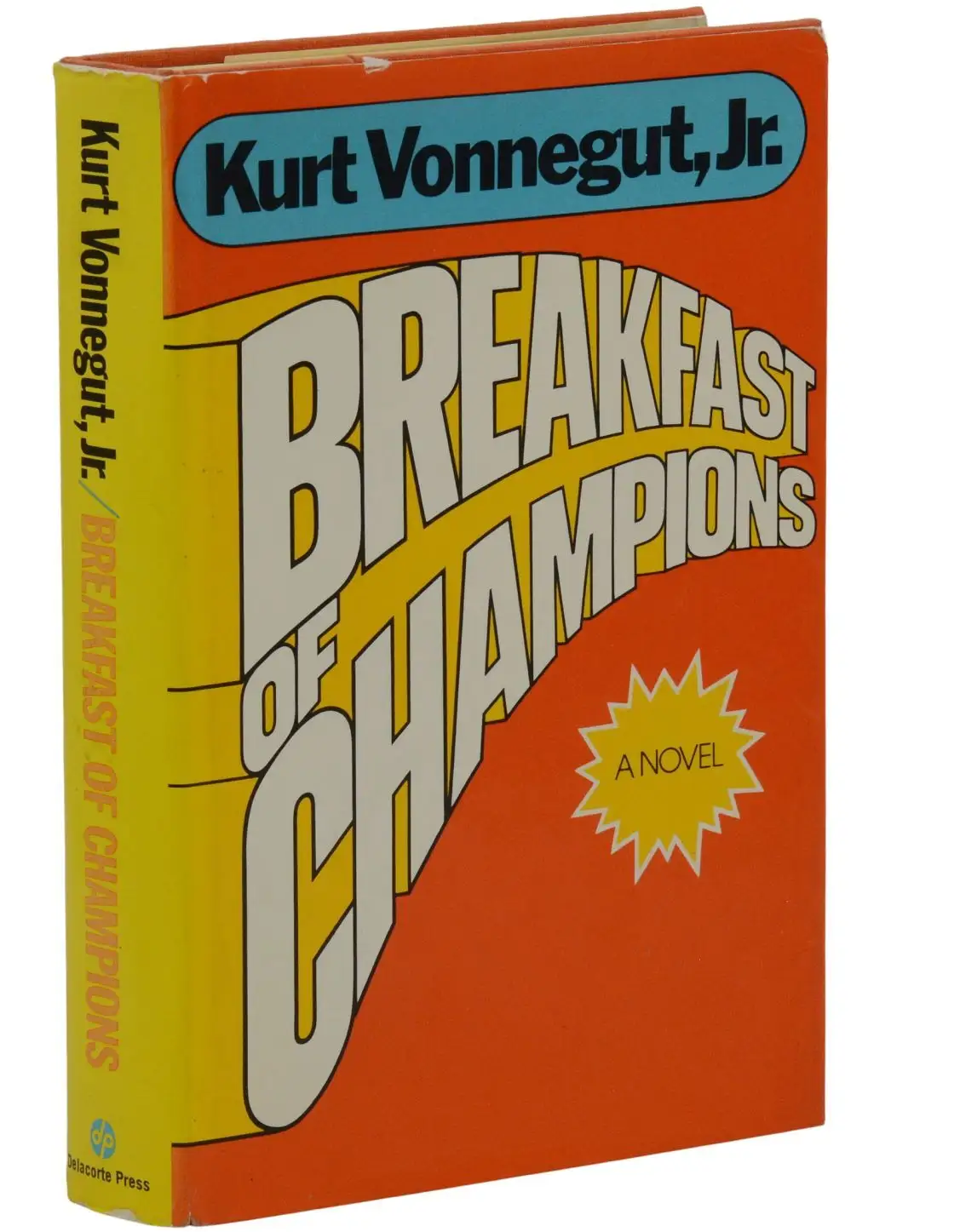
Course | Reading Vonnegut’s Breakfast of Champions with Christina Jarvis | Virtual
As we reflect on America’s 250th anniversary, this course will look back to Vonnegut’s early 1970s attempts to restore “humane harmony” in his brain as he confronted foundational American myths, a damaged planet, and a culture that seemed like a “sidewalk strewn with junk.” Focusing on Breakfast of Champions (1973) and selected short works, this three-session course will explore the how Vonnegut used his newfound celebrity in the wake of Slaughterhouse-Five (1969) to respond to the Vietnam War, the space race and other Cold War technologies, and the broader social, political, environmental, and economic breakdowns he witnessed.
![[SOLD OUT] Course | Recycled Material Books: Crisscross Binding | In-Person](https://images.squarespace-cdn.com/content/v1/66fb68a83ed38c0c99c762f9/1779466799230-0LC58JHUIPMJ063217PS/cisscross+binding.jpg)
[SOLD OUT] Course | Recycled Material Books: Crisscross Binding | In-Person
In this class, participants will join that sustainable tradition, recycling vegetable cartons into one-of-a-kind blank books inspired by Anne Goy’s crisscross binding! Along the way, this workshop teaches broadly useful bookbinding skills, including how to prepare a text block and fundamental sewing techniques.
![[SOLD OUT] Course | Reading Moby-Dick with Jennifer Greiman | Virtual](https://images.squarespace-cdn.com/content/v1/66fb68a83ed38c0c99c762f9/1779546967695-NA5PZSPXBJOQNV0Q2ZID/Moby-Dick.png)
[SOLD OUT] Course | Reading Moby-Dick with Jennifer Greiman | Virtual
From its study of a charismatic authoritarian to its minute account of a global oil economy to the obsessive attention that it pays to the bodies and lives of whales, squid, and other denizens of the sea, Moby-Dick continues to feel very present and very urgent. In the eight sessions of this course, we will take up a slow and close reading of Melville’s monumental novel, taking our time to consider the work in its grandest visions, its most minute observations, and the overall joy with which it attends to –-and attaches us to–-the stuff of life and the world.

Course | Benjamin Franklin: Deeds and Words with George Boudreau | Virtual
In this course, we'll explore the extraordinary deeds as well as the incomparable words of Philadelphia's Benjamin Franklin. Each session will focus on an era and set of writings found in J.A. Leo Lemay's Library of America volumes of Franklin's writings. We'll explore Franklin's autobiography, a text of many parts and many secrets, and still one of the most read and widest studied works written in the 18th century.
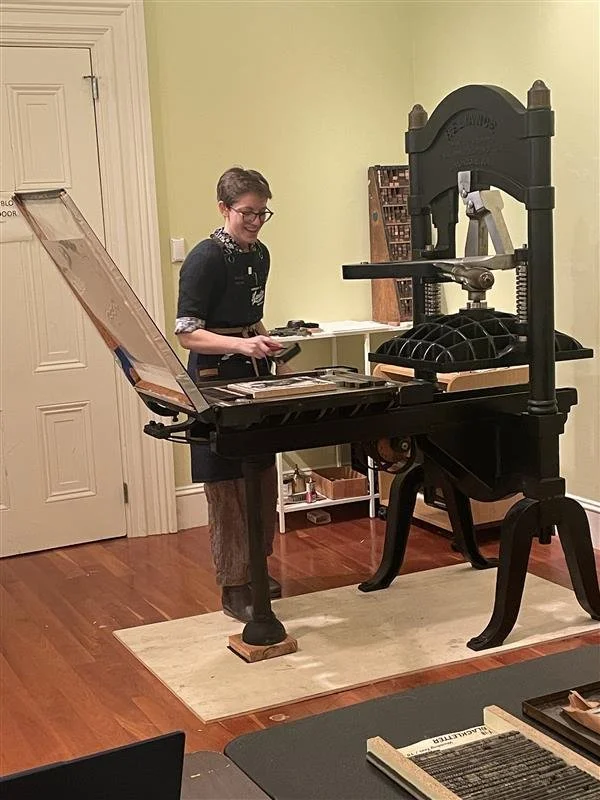
Course | Printing America’s Founding Documents | In-Person
In this hands-on printing workshop, you will use a 19th century iron handpress to create your own, personal copies of U.S. founding documents–such as Common Sense and the Federalist Papers. The workshop will be accompanied by a discussion of how print culture has served as a tool of change and given voice to the people, with examples from the Rosenbach collection.
![[ONE SEAT LEFT] Course | “Portrait of a Citizen: 250 Years of Stephen Girard in Philadelphia” with Alexander Ames | In Person](https://images.squarespace-cdn.com/content/v1/66fb68a83ed38c0c99c762f9/1762022435147-HA621W2BBN8B7MF3JCSJ/Ames_Portrait_Book_Cover.jpg)
[ONE SEAT LEFT] Course | “Portrait of a Citizen: 250 Years of Stephen Girard in Philadelphia” with Alexander Ames | In Person
On the 250th anniversary of Girard’s arrival in Philadelphia, join the Rosenbach for an afternoon seminar focused on the Bass Otis portrait and the story of Girard’s decision to cast his lot with the young American republic.
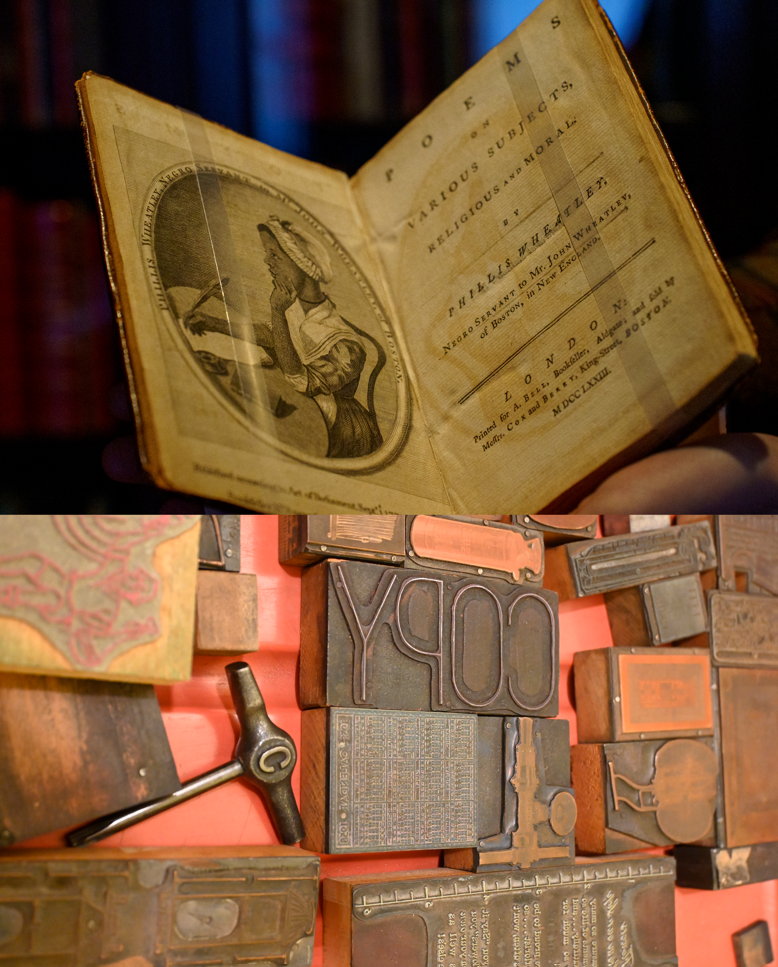
Course | Intro to Letterpress: Printing Phillis Wheatley | In-Person
This four-session class will cover the foundations of letterpress, from setting metal type to pulling prints. Learn about the history of printing through exploring an extraordinary publication: Phillis Wheatley’s Poems on Various Subjects, Religious and Moral.
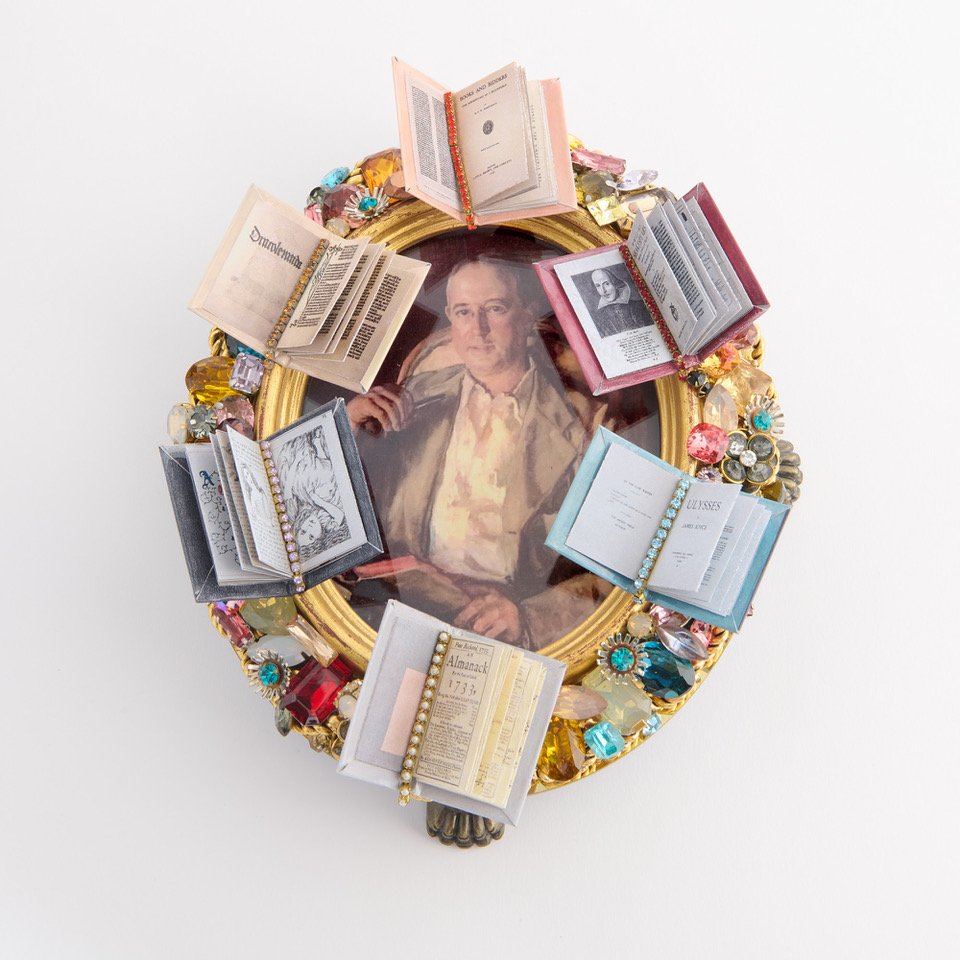
Course | Making Portrait Miniatures with John Wind | In-Person
Make your own portrait miniature in this in-person workshop. Bring a small photo or print of a favorite image (up to about 4”x5”), and John Wind will provide all the other supplies needed to embellish and frame the image in a meaningful and personal way.
![[SOLD OUT] Course | Reading Anne Brontë with Claire O’Callaghan | Virtual](https://images.squarespace-cdn.com/content/v1/66fb68a83ed38c0c99c762f9/1762104420267-OXHGUQEXDC9VP1YXT226/AnneBronte.jpg)
[SOLD OUT] Course | Reading Anne Brontë with Claire O’Callaghan | Virtual
This five-week course offers an in-depth exploration of Anne Brontë’s life and works. The youngest of the Brontës, Anne is sometimes overshadowed by her elder sisters, whose works have achieved greater prominence in literature and culture. Yet Anne’s writing is no less powerful or profound, offering a unique voice unafraid to confront and represent the darker, more uncomfortable aspects of 19th-century culture. Through close reading, discussion, and consideration of the historical context of her two published novels, Agnes Grey (1847) and The Tenant of Wildfell Hall (1848), this course will explore what Anne had to say about morality, gender, class, religion and the struggle for independence. We will give particular attention to how and why Anne wanted to interrogate and challenge Victorian social conventions with clarity and courage.
![[SOLD OUT] Course | Reading Bleak House with Olivia Rutigliano | Virtual](https://images.squarespace-cdn.com/content/v1/66fb68a83ed38c0c99c762f9/1761854732496-9MLYFB2XS3R1NPWKJKVE/2048px-Cover%2C_Bleak_House_%281852-3%29.png)
[SOLD OUT] Course | Reading Bleak House with Olivia Rutigliano | Virtual
Our course will take place across six sessions, with one week between each meeting.
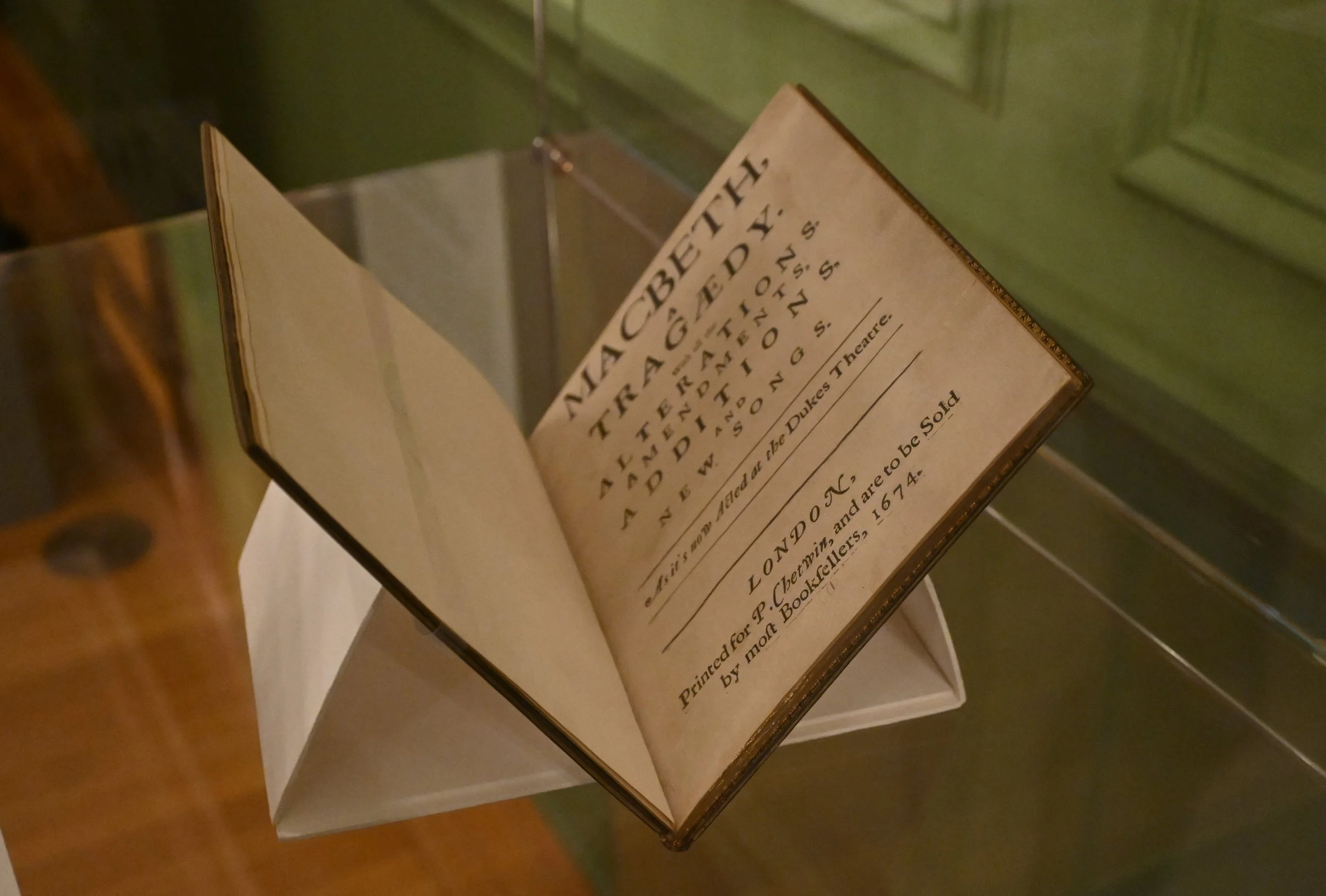
Course | Restoration Shakespeare: Macbeth with Daniel Blank | In Person
We’ll examine how William Davenant’s departures from (and additions to) Shakespeare’s original text transformed the tragedy for new audiences—and what these changes reveal about the play’s afterlife.
![[SOLD OUT] Course | Jewish Liberty and the American Revolution with Paul Finkelman | In Person](https://images.squarespace-cdn.com/content/v1/66fb68a83ed38c0c99c762f9/1762021767846-1G0SQ7XLYVW8KI2JT72R/Jewish+Liberty.jpg)
[SOLD OUT] Course | Jewish Liberty and the American Revolution with Paul Finkelman | In Person
Jewish activism before and during the American Revolution helped set the stage for the new United States’ Constitution. Paul Finkelman will discuss this important history of Jewish participation in the American Revolution.
![[SOLD OUT] Course | Making a Medieval Bat Book | In-Person](https://images.squarespace-cdn.com/content/v1/66fb68a83ed38c0c99c762f9/1771785784110-N30IOHFB7YOIONMY7LOY/_DSC3749.JPG)
[SOLD OUT] Course | Making a Medieval Bat Book | In-Person
Let’s bring back the Medieval trend of wearing books as fashion accessories! In this hands-on bookbinding class, you will craft a belt book inspired by the Rosenbach’s 1364 illuminated almanac [MS 1004/29], which is also known as a “bat book.”

Course | The Medieval T.S. Eliot with Mary Alcaro | Virtual
In this five-session course, we will uncover some of the medieval influences upon Eliot’s most famous work, including selections from The Wasteland, Four Quartets, and Murder in the Cathedral. Along the way, we’ll investigate how and where he draws upon the Arthurian Grail cycle, Christian mysticism, and The Canterbury Tales.
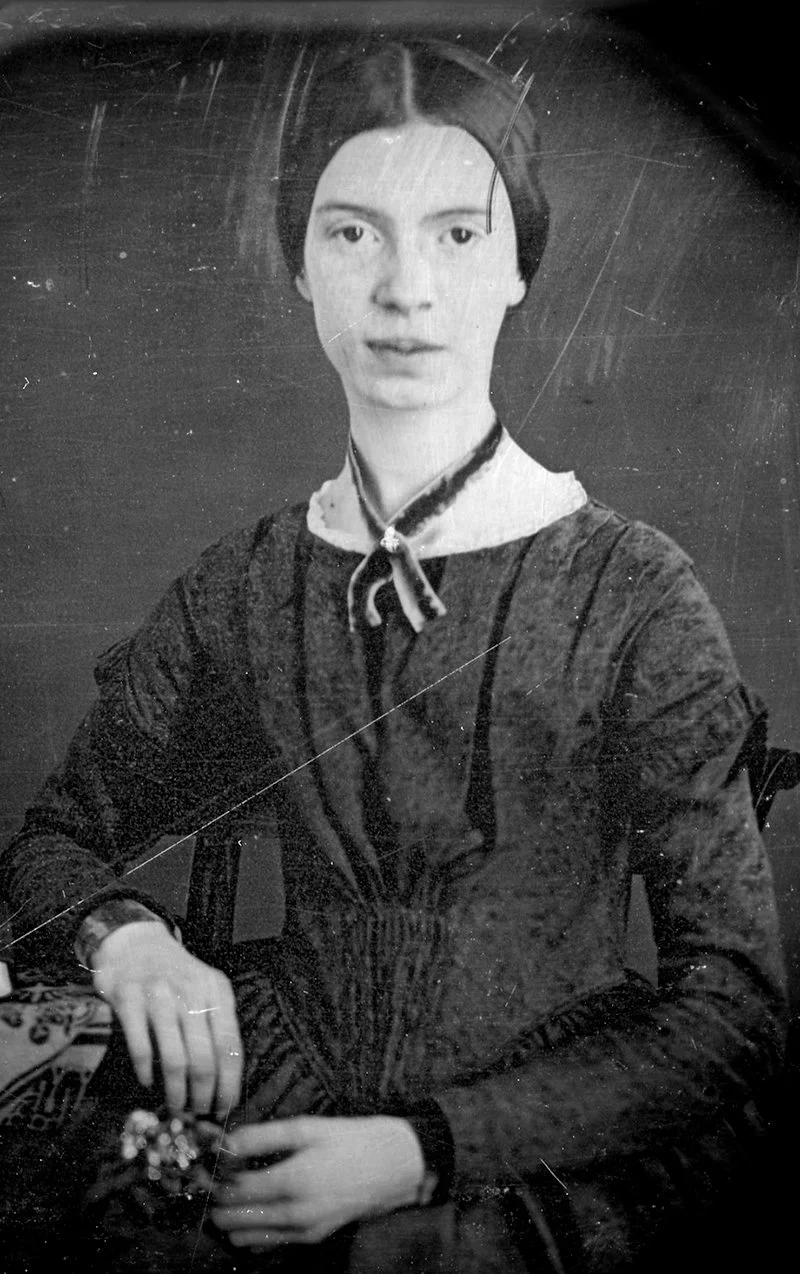
Course | The Soul Selects: Yoga & the Poetry of Emily Dickinson | In-Person
The apparent simplicity of Emily Dickinson’s poetry is deceptive—beneath her brief, direct language lies profound depths of emotion and insight. In this three-part yoga series, we’ll explore her life and work through movement, breath, and reflection.
Session 3: Wonder & Interconnection

Course | Brief Wonders: Latin American Short Fiction with Luciano Martinez | Virtual
Beginning with Edgar Allan Poe’s influence on Horacio Quiroga—who adapted Poe’s gothic intensity and psychological suspense to the jungles and borderlands of the River Plate and Misiones—this course traces the evolution of the contemporary Latin American short story in English translation. We’ll read pivotal writers—Borges, Rulfo, Fuentes, García Márquez—and spotlight the vital contributions of women writers, including Rosario Ferré and Mariana Enríquez.
![[SOLD OUT] Course | Shakespeare’s Green Worlds with Sir Jonathan Bate | Virtual](https://images.squarespace-cdn.com/content/v1/66fb68a83ed38c0c99c762f9/1762100026813-5H9XZ4ELW2QGR16IIX7Y/Green+Worlds.jpg)
[SOLD OUT] Course | Shakespeare’s Green Worlds with Sir Jonathan Bate | Virtual
This course will explore this theme in three plays: the perfectly formed comedy As You Like It, the searing tragedy King Lear, and the graceful romance The Winter’s Tale. Along the way, we will discover that the virtues of the green world speak especially powerfully to us today in a time of division and disruption in both the social and the natural environments.
![[SOLD OUT] Course | The Curators Toolkit: Up Close and Personal with the Collections of the Rosenbach, Stoneleigh, and du Pont Estates in the Brandywine River Valley | In-person](https://images.squarespace-cdn.com/content/v1/66fb68a83ed38c0c99c762f9/1762020321228-VDND751LMKF6XQJPGKE7/VanAukenT_rosenbach_20240420_frenchtour_0341+%282%29.jpg)
[SOLD OUT] Course | The Curators Toolkit: Up Close and Personal with the Collections of the Rosenbach, Stoneleigh, and du Pont Estates in the Brandywine River Valley | In-person
Do you love discovering fascinating stories from history? Have you ever wanted to get up close and personal with museum and library collection objects, including rare books, manuscripts, paintings, and decorative arts? If so, then let the Rosenbach become your laboratory for study.

Course | Reading The Charterhouse of Parma with Liesl Schillinger | Virtual
This book is more than a romance, more than a slice of history brought to life— it’s a detailed demonstration of how individuals of art and wit can preserve their agency in eras when it’s under attack from oppressive societal forces. In close reading, we will explore the lasting power of Stendhal’s vision and the legacy of The Charterhouse of Parma.
![[POSTPONED] [SEATS AVAILABLE] Course | Book Arts: Revolutionary Pamphlets and Zines | In-Person](https://images.squarespace-cdn.com/content/v1/66fb68a83ed38c0c99c762f9/1761851517798-33OTOJJDJ83RJLJUBO6S/Revolutionary+Pamphlets.JPEG)
[POSTPONED] [SEATS AVAILABLE] Course | Book Arts: Revolutionary Pamphlets and Zines | In-Person
In this hands-on class, you will learn to create dynamic booklets of your own, from the humble pamphlet to a single-sheet book to the French door zine. No prior zine-making experience is required.
![[SOLD OUT] Course | Ulysses Weekly with Robert Berry | Virtual](https://images.squarespace-cdn.com/content/v1/66fb68a83ed38c0c99c762f9/1762025297068-7XSULX0LEZPXSVUHN93K/Ulysses-Weekly-image.jpg)
[SOLD OUT] Course | Ulysses Weekly with Robert Berry | Virtual
This immersive weekly course will help readers explore (and enjoy) the intricacies, enigmas, and hilarities of Ulysses. First-time readers of the novel will find many resources for understanding this challenging work. For those returning to the novel, this will be a great way to delve into a book whose depths never seem to end.

Course | Reading Philip Pullman’s His Dark Materials with Kristen Poole | Virtual
This is the adventure of Philip Pullman’s His Dark Materials trilogy—The Golden Compass (UK title: Northern Lights), The Subtle Knife, and The Amber Spyglass. These books are not only international bestsellers, they have been adapted for film, stage, graphic novels, and other media. In this course, we will read these books in community, following their many paths and considering their literary inheritance.
![[SOLD OUT] Course | Book Arts: Bind Your Own Journal | In-Person](https://images.squarespace-cdn.com/content/v1/66fb68a83ed38c0c99c762f9/1761853639032-GA6JXEOXSJ9QC7XQIOV7/sewn-boards-ehonson1.png)
[SOLD OUT] Course | Book Arts: Bind Your Own Journal | In-Person
The sewn boards binding developed by Gary Frost is a modern version of one of the earliest forms of the codex. This structure has been used to rebind books as a library binding and as a limited-edition binding for new artist works. The book opens flat and is a great structure for beginning bookbinders. In this class, you will learn to make this unique book, which can be a notebook, a sketchbook, a gift, or a model for additional handmade books.

Course | Reading Johnson and Boswell with Jack Lynch | Virtual
Over the course of four biweekly meetings we’ll read some of Johnson’s most important works—essays, poems, fiction, travel narratives, biography—and selections from Boswell’s Life. The focus will always be on the humanity of the man behind the works.

Course | The Art of Literary Biography with Carl Rollyson | Virtual
Readings from British Biography: A Reader will inform course discussion on what makes a biography comparable in some ways to the novel and in others to works of history and literary criticism.
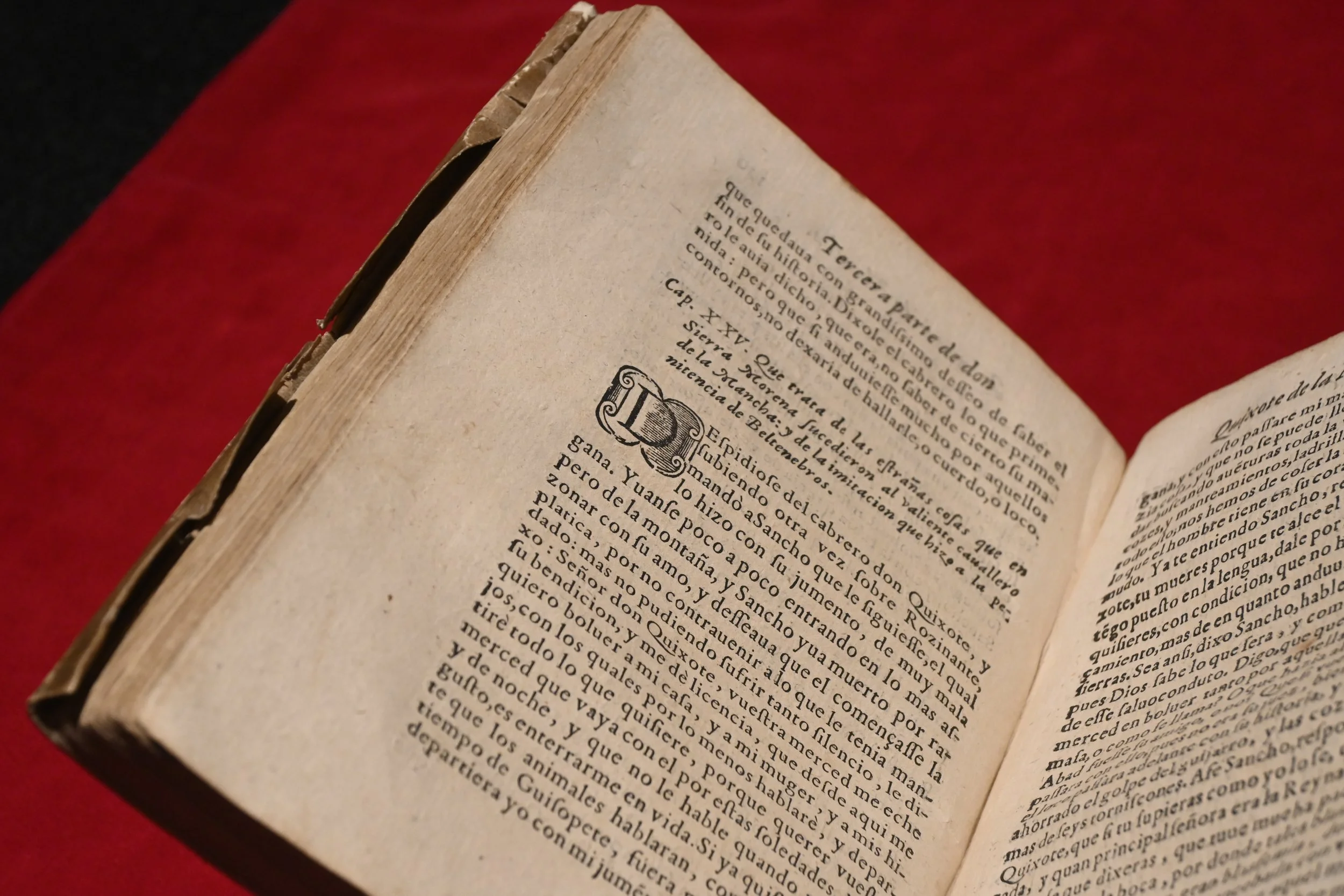
Course | Salvador Dalí’s Don Quixote de la Mancha with Julia Vázquez | In Person
In this course, we will look together at these lithographs to examine Dalí’s unique take on the misadventures of the knight errant Don Quixote and his faithful sidekick Sancho Panza, exploring such topics as the magical potential of madness and the transformative capacities of the imagination.

Course | Melville’s America with Jennifer Greiman | Virtual
As Melville moved between historical fictions of the late-18th century and portraits of America in the 1850s, he fictionalized figures like Benjamin Franklin, rewrote the memoirs of sea captains and frontier lawmen, and captured with brutal precision and irony, elements of the American character that endure to this day. In the first three sessions of this course, we will cover one short work per week, reserving the last two sessions for the raucous satire of The Confidence-man, which Philip Roth described in 2016 as “the darkly pessimistic, daringly inventive novel” that speaks most directly to America today.
![[SOLD OUT] Course | Reading Virginia Woolf’s Mrs. Dalloway with Sean Hughes | Virtual](https://images.squarespace-cdn.com/content/v1/66fb68a83ed38c0c99c762f9/1762102140666-JVKGI7BZCP3GGYXU2FFK/Mrs._Dalloway_cover.jpg)
[SOLD OUT] Course | Reading Virginia Woolf’s Mrs. Dalloway with Sean Hughes | Virtual
In this course, we'll explore this stylistic and psychological masterpiece. Each session will include some relevant background, but our discussions will be guided by the interests of our participants. Likely topics will include gender, history, cities, war, time, trauma, power, sexuality, and family.