Courses
Upcoming Courses
The Rosenbach Museum & Library proudly connects with people all of the world through its robust and engaging slate of digital and in-person course offerings. Below you’ll find information on each of the upcoming course offerings. Capacity is limited for all courses and early registration is recommended! You can find a full calendar of upcoming events, both in-person and virtual, here.
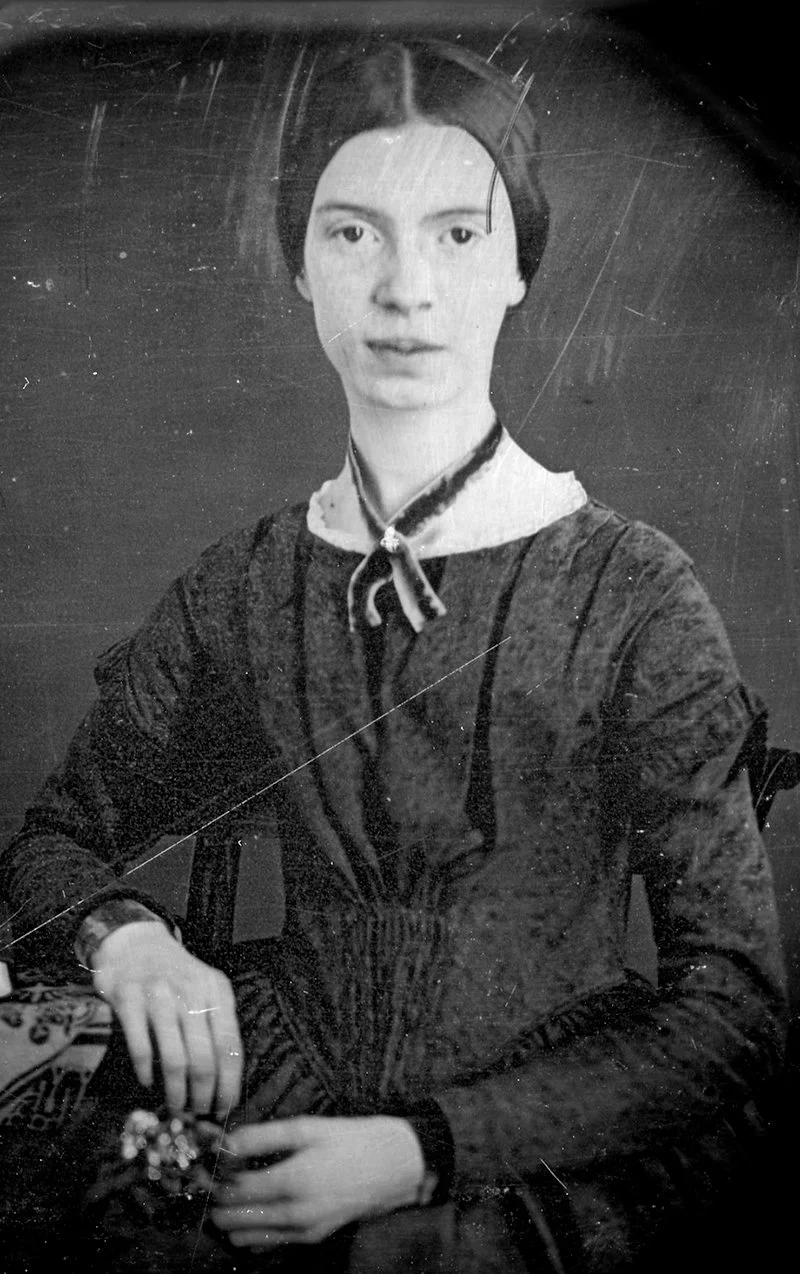
In this three-part yoga series, we’ll explore her life and work through movement, breath, and reflection. Each session will weave selected poems into a gentle and meditative yoga sequence, inviting you to embody Dickinson’s themes of solitude, transformation, and wonder. Attendance of Session 1 is not required to join upcoming sessions.
In this course, we'll explore this stylistic and psychological masterpiece. Each session will include some relevant background, but our discussions will be guided by the interests of our participants. Likely topics will include gender, history, cities, war, time, trauma, power, sexuality, and family.
As Melville moved between historical fictions of the late-18th century and portraits of America in the 1850s, he fictionalized figures like Benjamin Franklin, rewrote the memoirs of sea captains and frontier lawmen, and captured with brutal precision and irony, elements of the American character that endure to this day. In the first three sessions of this course, we will cover one short work per week, reserving the last two sessions for the raucous satire of The Confidence-man, which Philip Roth described in 2016 as “the darkly pessimistic, daringly inventive novel” that speaks most directly to America today.
In this course, we will look together at these lithographs to examine Dalí’s unique take on the misadventures of the knight errant Don Quixote and his faithful sidekick Sancho Panza, exploring such topics as the magical potential of madness and the transformative capacities of the imagination.
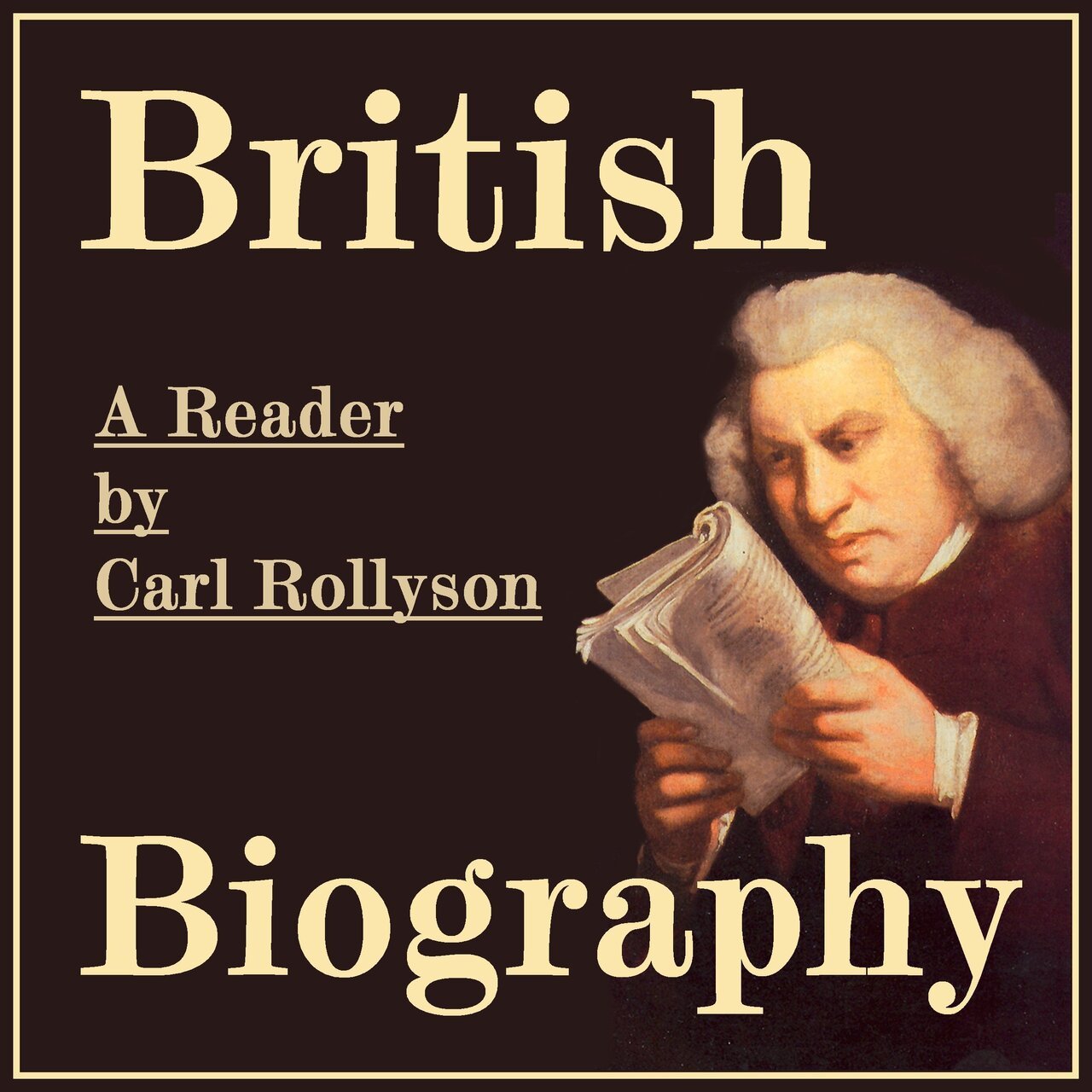
Readings from British Biography: A Reader will inform course discussion on what makes a biography comparable in some ways to the novel and in others to works of history and literary criticism.
Over the course of four biweekly meetings we’ll read some of Johnson’s most important works—essays, poems, fiction, travel narratives, biography—and selections from Boswell’s Life. The focus will always be on the humanity of the man behind the works.
The sewn boards binding developed by Gary Frost is a modern version of one of the earliest forms of the codex. This structure has been used to rebind books as a library binding and as a limited-edition binding for new artist works. The book opens flat and is a great structure for beginning bookbinders. In this class, you will learn to make this unique book, which can be a notebook, a sketchbook, a gift, or a model for additional handmade books.
This is the adventure of Philip Pullman’s His Dark Materials trilogy—The Golden Compass (UK title: Northern Lights), The Subtle Knife, and The Amber Spyglass. These books are not only international bestsellers, they have been adapted for film, stage, graphic novels, and other media. In this course, we will read these books in community, following their many paths and considering their literary inheritance.
This immersive weekly course will help readers explore (and enjoy) the intricacies, enigmas, and hilarities of Ulysses. First-time readers of the novel will find many resources for understanding this challenging work. For those returning to the novel, this will be a great way to delve into a book whose depths never seem to end.
In this hands-on class, you will learn to create dynamic booklets of your own, from the humble pamphlet to a single-sheet book to the French door zine. No prior zine-making experience is required.
This book is more than a romance, more than a slice of history brought to life— it’s a detailed demonstration of how individuals of art and wit can preserve their agency in eras when it’s under attack from oppressive societal forces. In close reading, we will explore the lasting power of Stendhal’s vision and the legacy of The Charterhouse of Parma.
Do you love discovering fascinating stories from history? Have you ever wanted to get up close and personal with museum and library collection objects, including rare books, manuscripts, paintings, and decorative arts? If so, then let the Rosenbach become your laboratory for study.
This course will explore this theme in three plays: the perfectly formed comedy As You Like It, the searing tragedy King Lear, and the graceful romance The Winter’s Tale. Along the way, we will discover that the virtues of the green world speak especially powerfully to us today in a time of division and disruption in both the social and the natural environments.
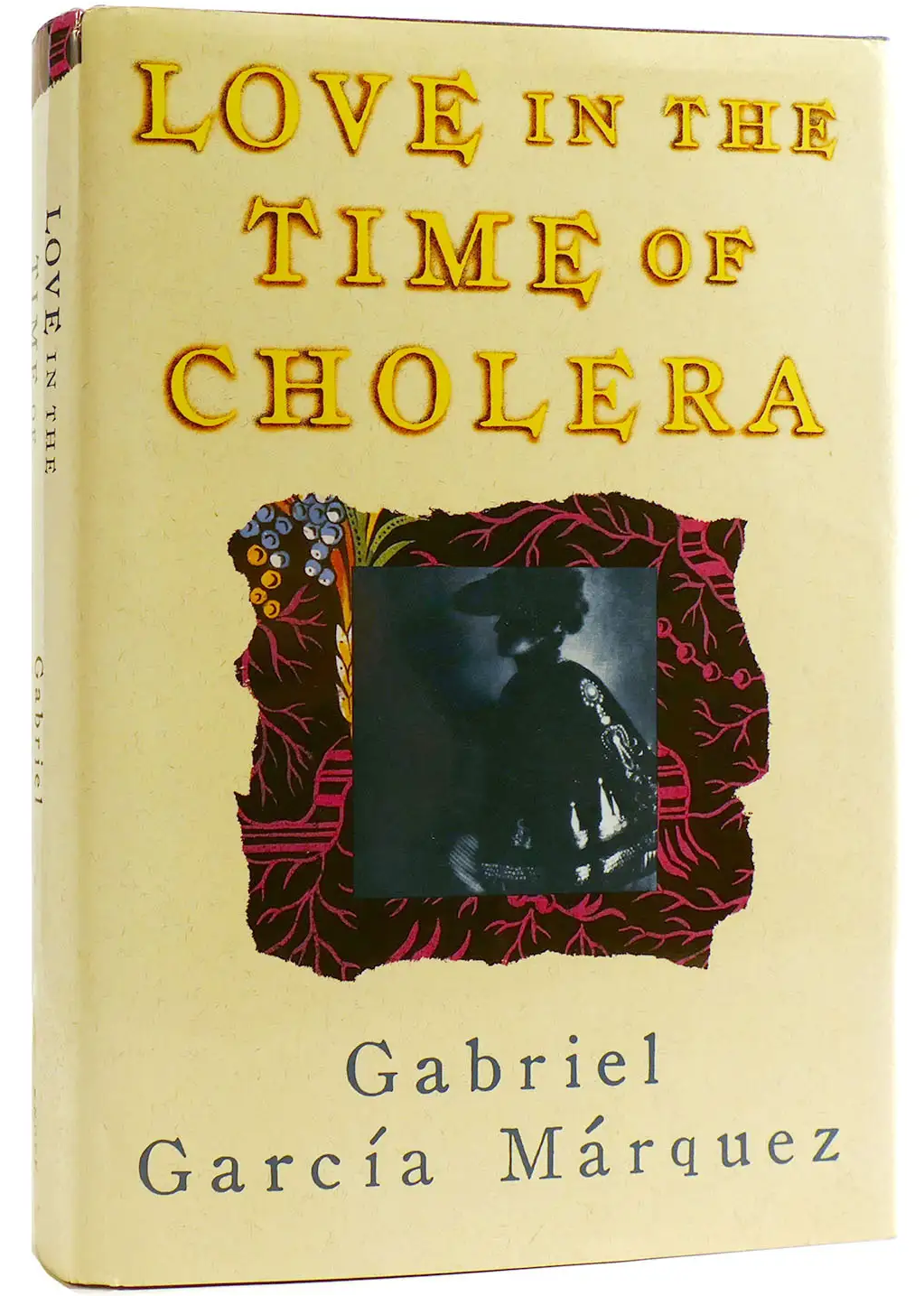
Beginning with Edgar Allan Poe’s influence on Horacio Quiroga—who adapted Poe’s gothic intensity and psychological suspense to the jungles and borderlands of the River Plate and Misiones—this course traces the evolution of the contemporary Latin American short story in English translation. We’ll read pivotal writers—Borges, Rulfo, Fuentes, García Márquez—and spotlight the vital contributions of women writers, including Rosario Ferré and Mariana Enríquez.
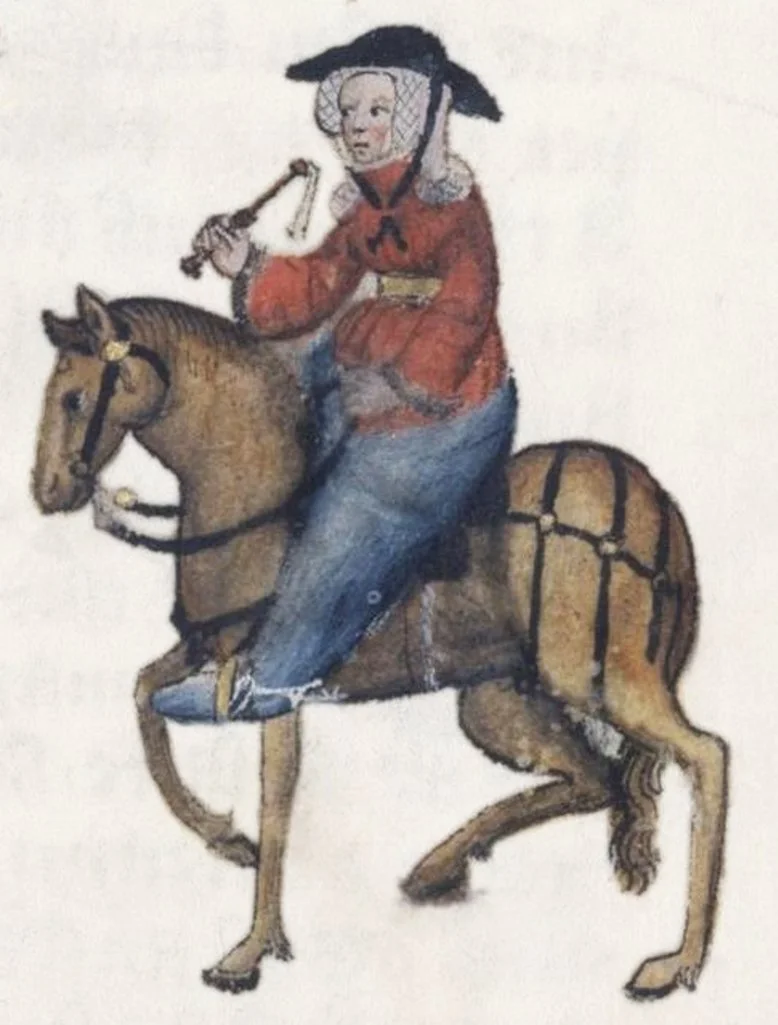
In this five-session course, we will uncover some of the medieval influences upon Eliot’s most famous work, including selections from The Wasteland, Four Quartets, and Murder in the Cathedral. Along the way, we’ll investigate how and where he draws upon the Arthurian Grail cycle, Christian mysticism, and The Canterbury Tales.
Jewish activism before and during the American Revolution helped set the stage for the new United States’ Constitution. Paul Finkelman will discuss this important history of Jewish participation in the American Revolution.
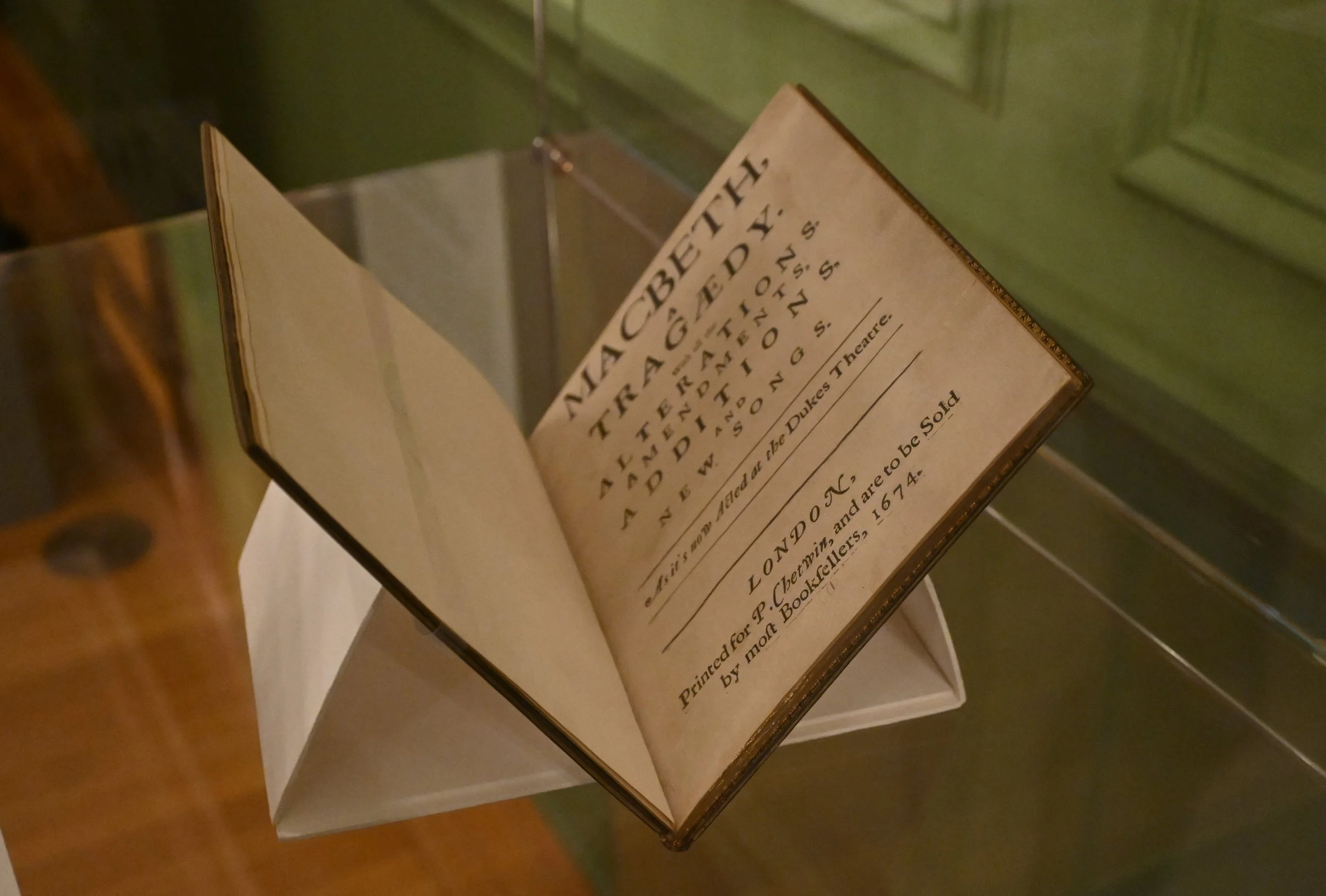
We’ll examine how William Davenant’s departures from (and additions to) Shakespeare’s original text transformed the tragedy for new audiences—and what these changes reveal about the play’s afterlife.
Our course will take place across six sessions, with one week between each meeting.
This five-week course offers an in-depth exploration of Anne Brontë’s life and works. The youngest of the Brontës, Anne is sometimes overshadowed by her elder sisters, whose works have achieved greater prominence in literature and culture. Yet Anne’s writing is no less powerful or profound, offering a unique voice unafraid to confront and represent the darker, more uncomfortable aspects of 19th-century culture. Through close reading, discussion, and consideration of the historical context of her two published novels, Agnes Grey (1847) and The Tenant of Wildfell Hall (1848), this course will explore what Anne had to say about morality, gender, class, religion and the struggle for independence. We will give particular attention to how and why Anne wanted to interrogate and challenge Victorian social conventions with clarity and courage.
On the 250th anniversary of Girard’s arrival in Philadelphia, join the Rosenbach for an afternoon seminar focused on the Bass Otis portrait and the story of Girard’s decision to cast his lot with the young American republic.
Recent Courses
The Rosenbach frequently offers classes based on works related to our collections featuring distinguished experts and professors. Here are some of our past courses. You can no longer participate in these, but you can look back on the awesome content that has been taught to our community members.
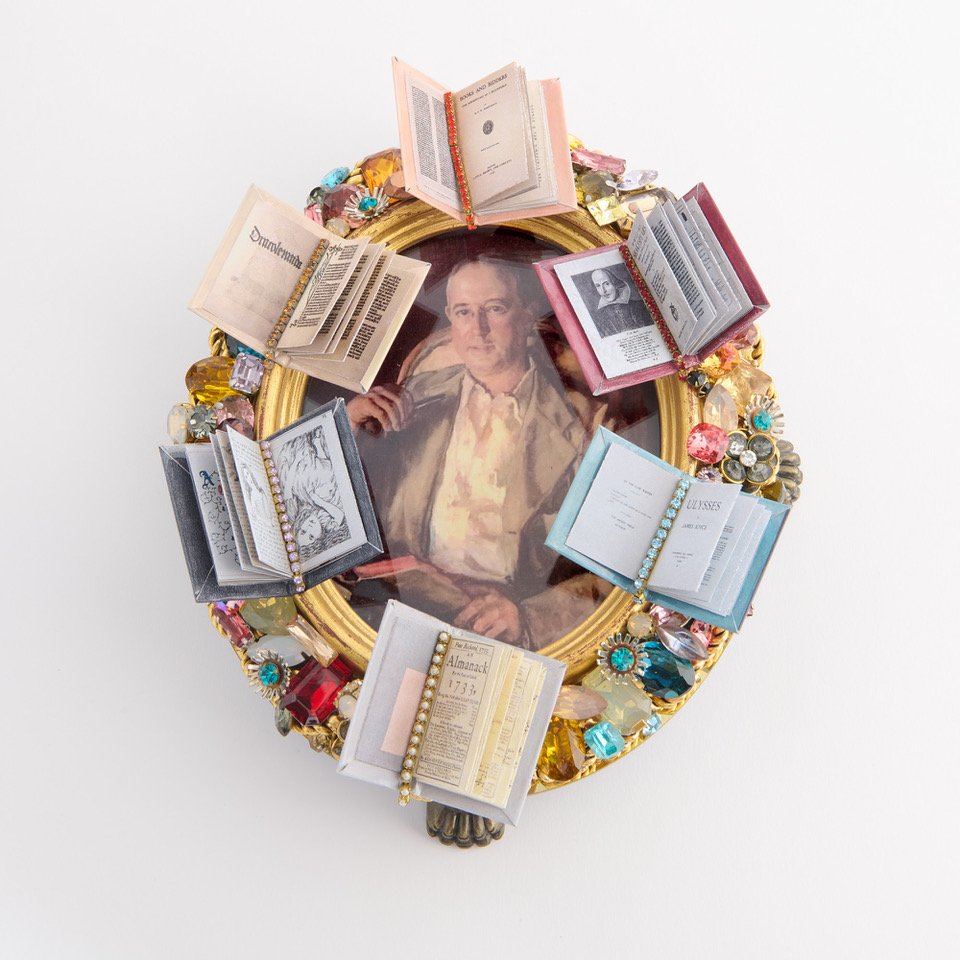
Portrait miniatures originated in 16th century Europe, where these small, hand-painted likenesses were designed to be portable and personal keepsakes. They were tokens of affection, mementos of loved ones, and status symbols. Painted on vellum or ivory, they were often framed with precious metals and jewels like cameos. The tradition continued until the advent of photography in the mid-19th century.
In “DEAR JOHN,” a special exhibition in the Rosenbach’s Treasures: History of the Material Text gallery, artist John Wind takes inspiration from this tradition but shifts the emphasis from the subject to the frame—concocting elaborate, exuberant compositions that provide a more modern take on the genre.
Make your own Portrait Miniature in this in-person workshop. Bring a small photo or print of a favorite image (up to about 4”x5”) and Wind will provide all the other supplies needed to embellish and frame the image in a meaningful and personal way.
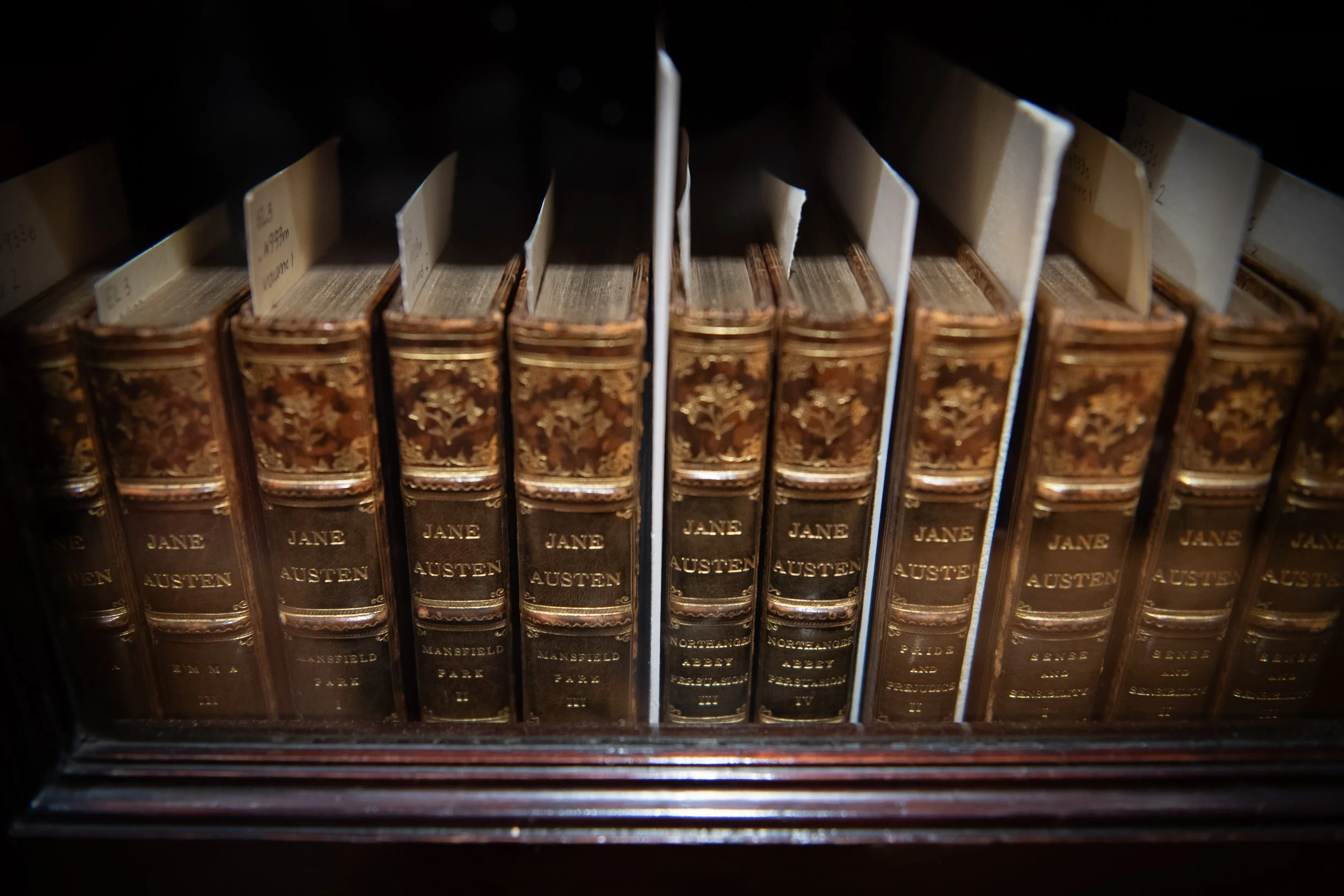
Capping off our year of Jane Austen seminars to commemorate the author’s 250th birthday, we’ll finish with her most beloved novel, Pride and Prejudice, led by Louise Curran from the University of Birmingham, UK.
We will read and discuss Pride and Prejudice in all its simple and complicated glory, thinking about its depiction of courtship and marriage, its structure as the archetypal romantic comedy, and its place within Austen’s literary career.
This seminar will examine the history of birthright citizenship (dating from at least 1608),the regulation of immigration from the adoption of the Constitution to the Civil War, and the debates over the citizenship clause in the 14th Amendment.
Musician and novelist Wesley Stace presents a unique seminar experience, an opportunity to read works of literature that attempt to capture, on the page, the essence of music.
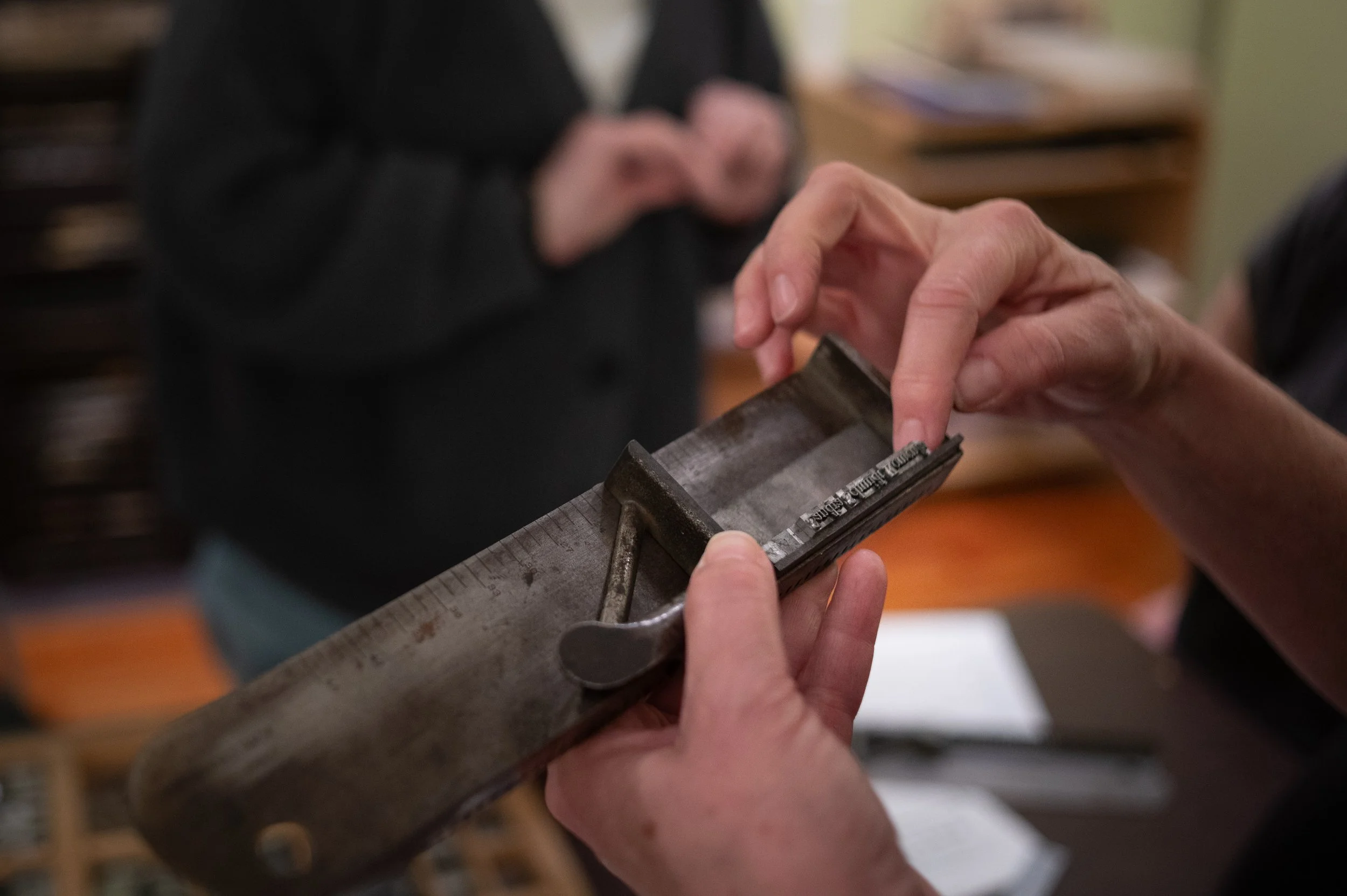
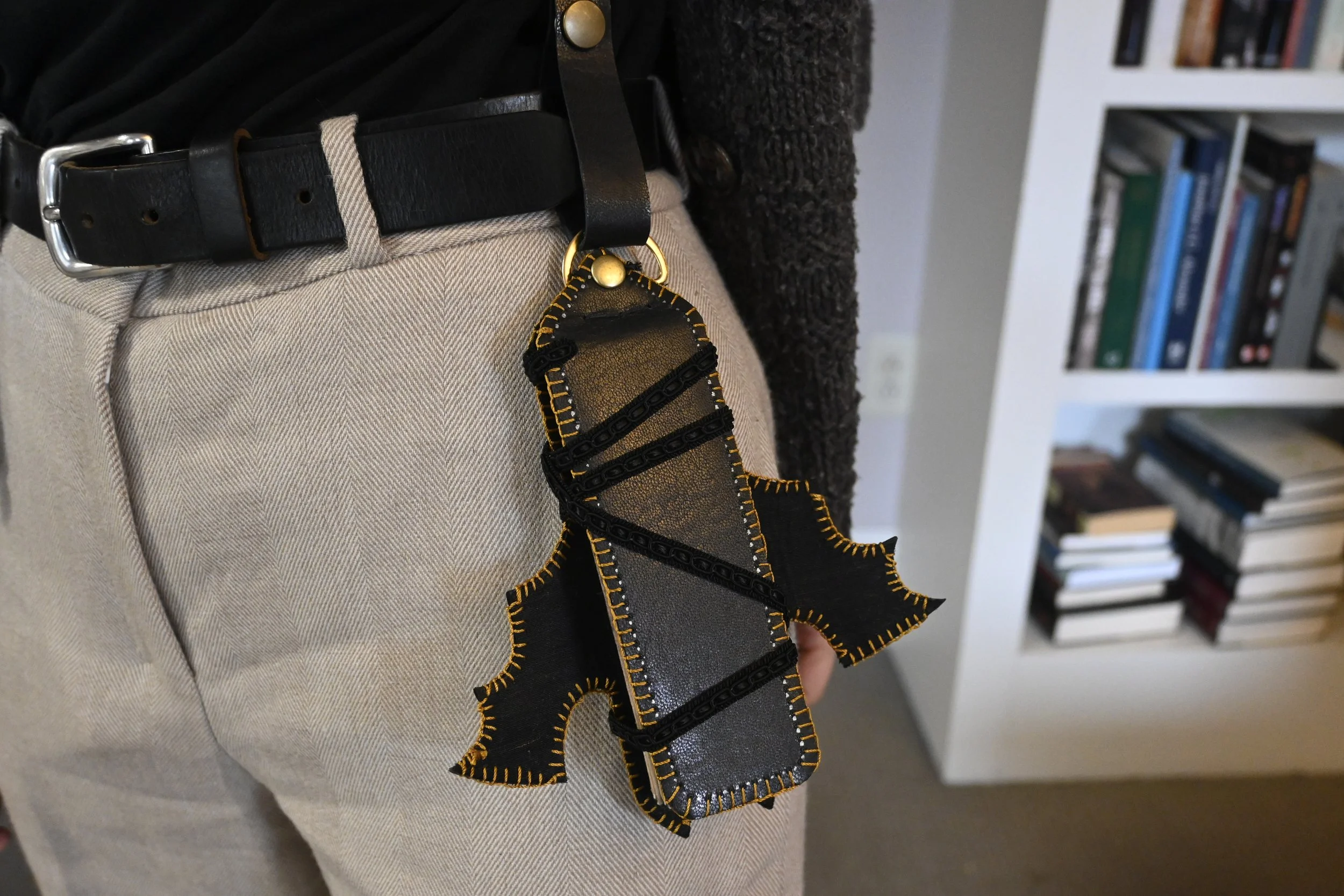
Books have been worn for hundreds of years. Come learn how to make some wearable books based on historical miniature volumes in the Rosenbach’s collection. You will end the class with two tiny blank books that can be turned into necklaces or a pair of earrings! All materials and tools will be provided. No experience necessary.
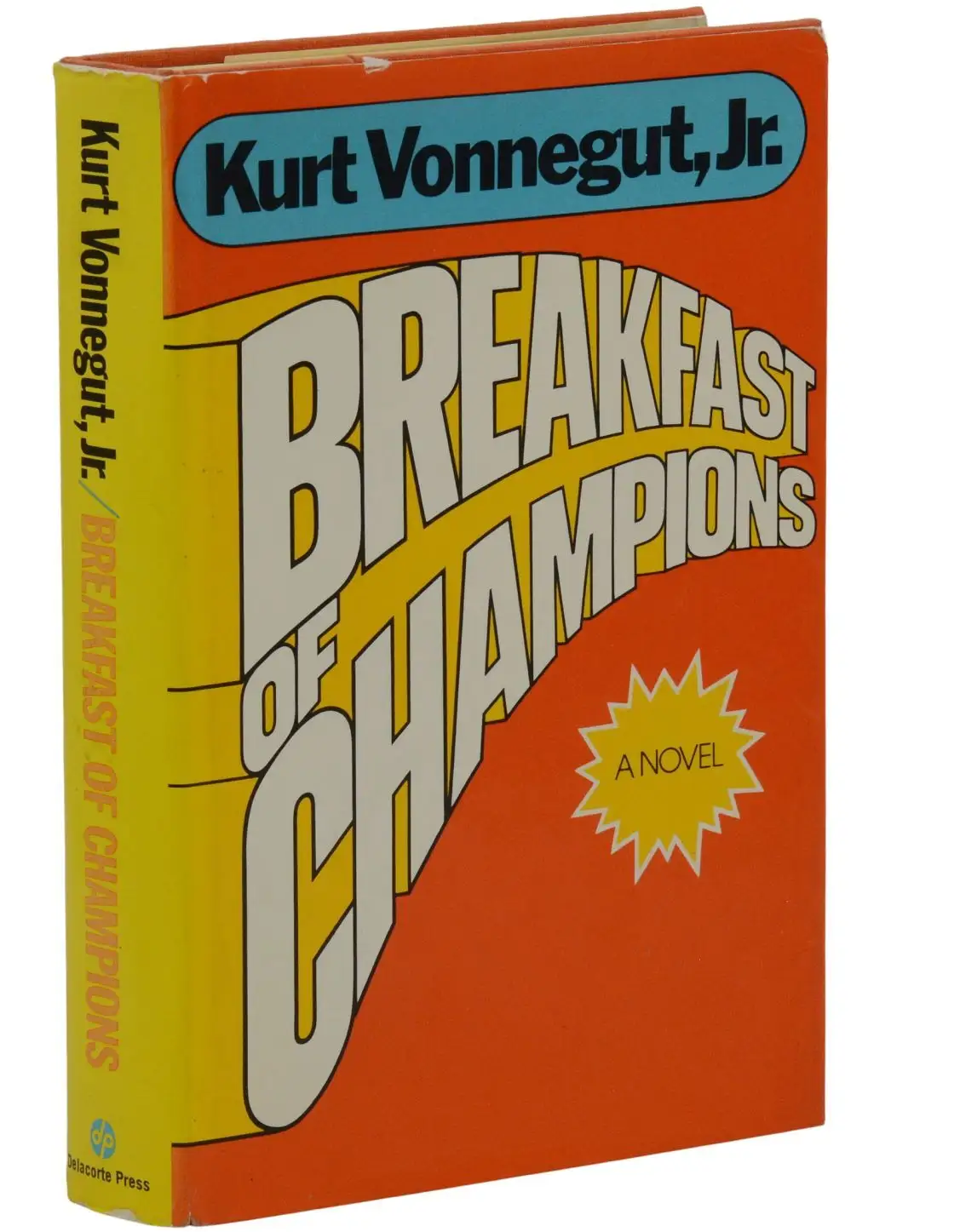
Best known for his wildly imaginative fiction, accessible style, and unflinching critiques of American culture, Kurt Vonnegut was one of the most beloved and prescient writers of the late-20th century. Focusing on Cat’s Cradle (1963) and his anti-war masterpiece, Slaughterhouse-Five (1969), this four-session course will explore Kurt Vonnegut’s signature literary techniques (dark humor, satire, and innovative, often time-bending narrative structures) along with his examinations of 1960s America.
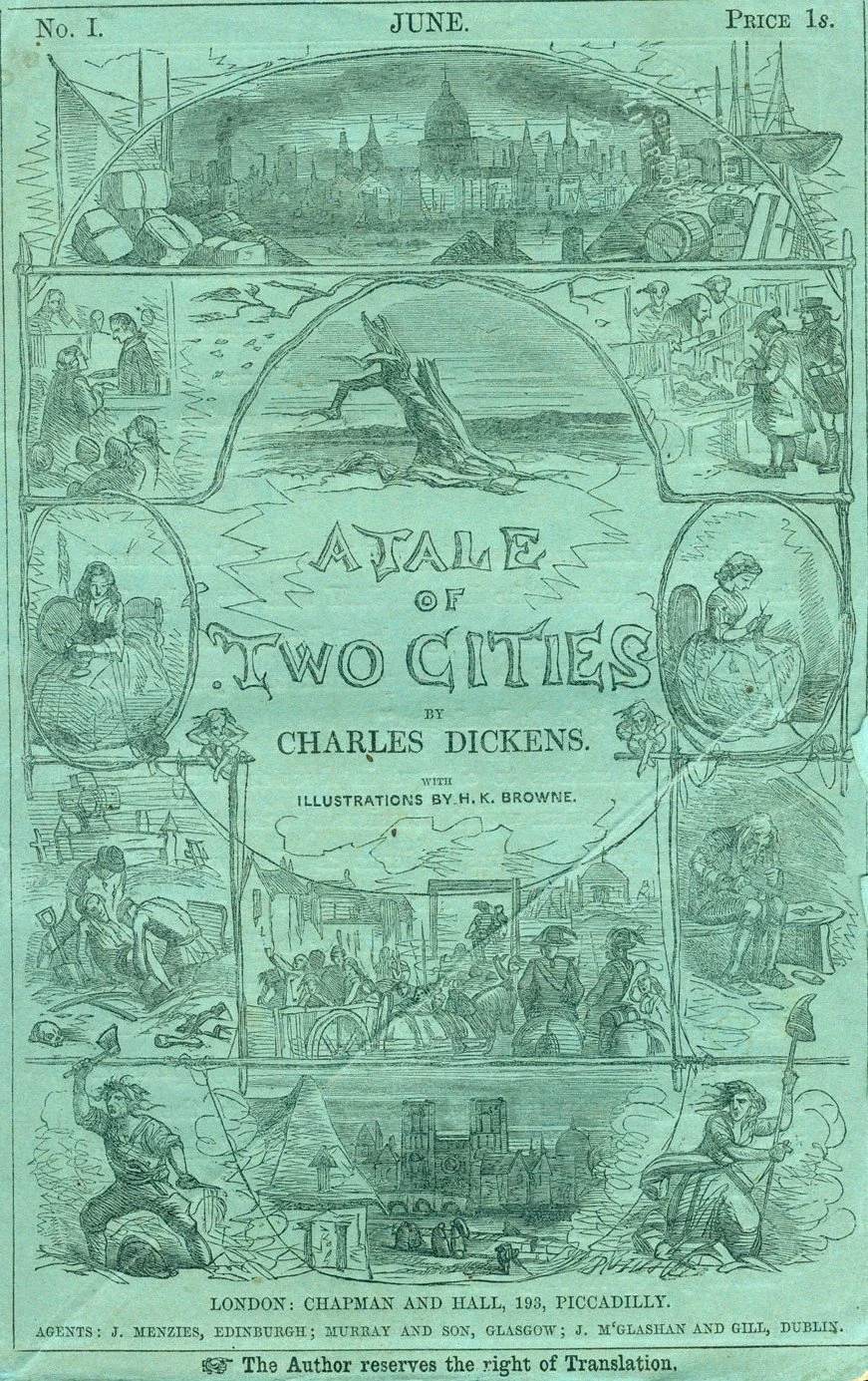
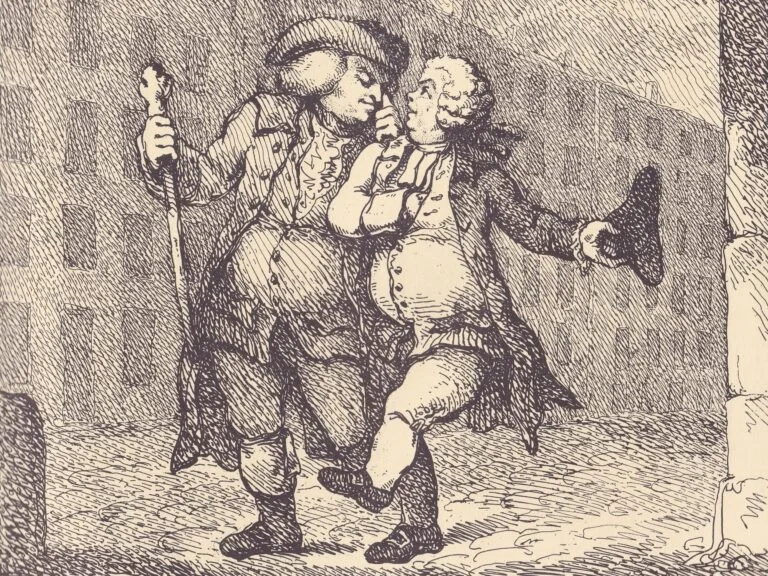
“Oliver Twist has asked for more!” Edward G. Pettit will lead a seminar on one of Charles Dickens’s most popular novels. Oliver is the first child protagonist of any novel, and Dickens recounts Oliver’s adventures from a Poor Workhouse to a dangerous den of London criminals.
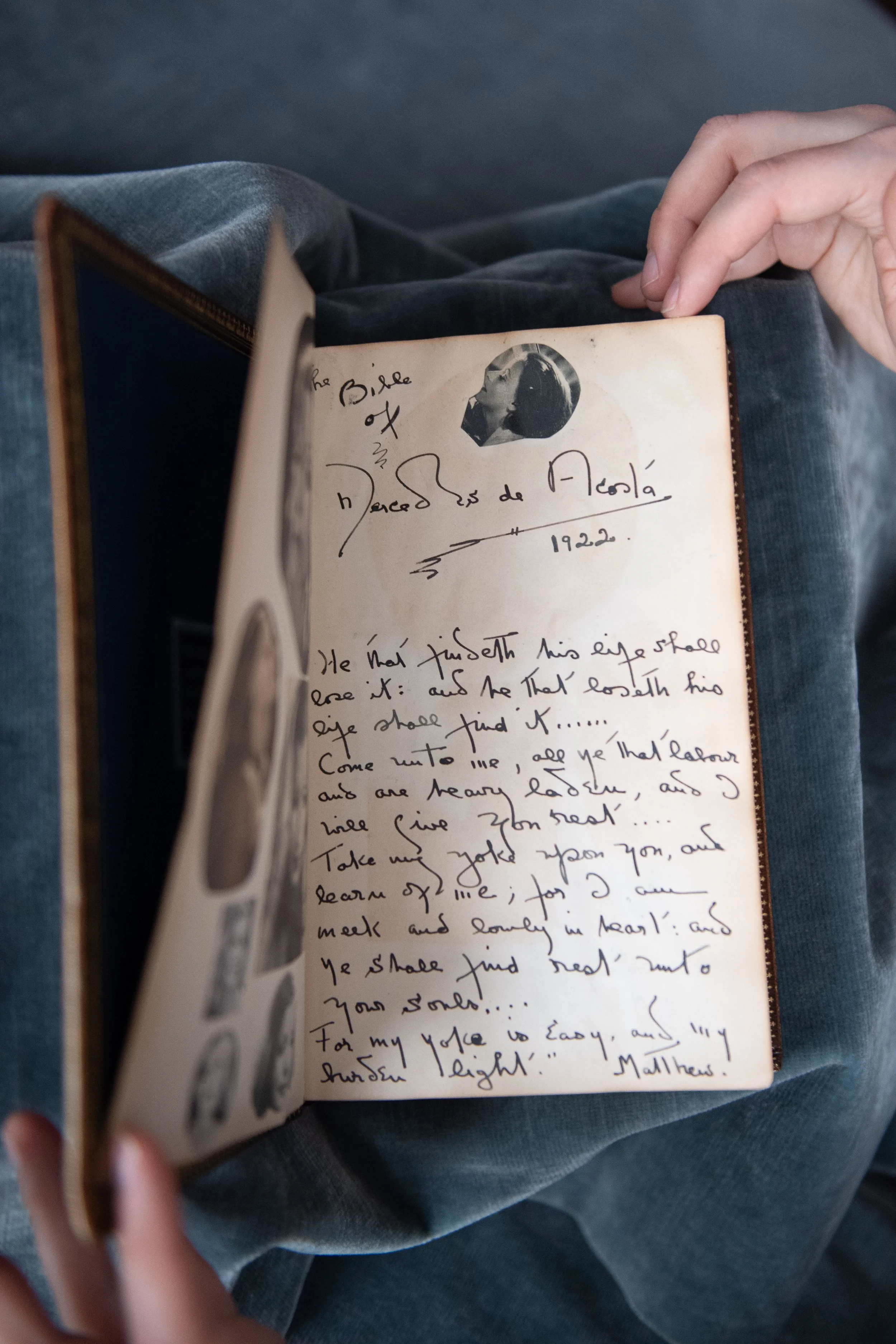
James Joyce was one of the 20th century’s most complex, influential, paradoxical, irreverent, domineering, problematic, and rewarding writers; Ulysses (pub. 1922) is, if not Joyce’s most difficult work, certainly his most beloved and consequential one. This reading group aims to acquaint first-time readers with Ulysses and to give those already familiar with the novel the opportunity to deepen their engagement with it.
In this course, we will explore the complexity and depth of this extraordinary text, with close attention to issues related to language, kingship, old age, gender, and more.
This course examines how African American artists, activists, and thinkers have utilized American Constitutionalism as a basis for arguments in support of Black freedom, from the U.S. founding to abolition and from emancipation to the Civil Rights Movement.
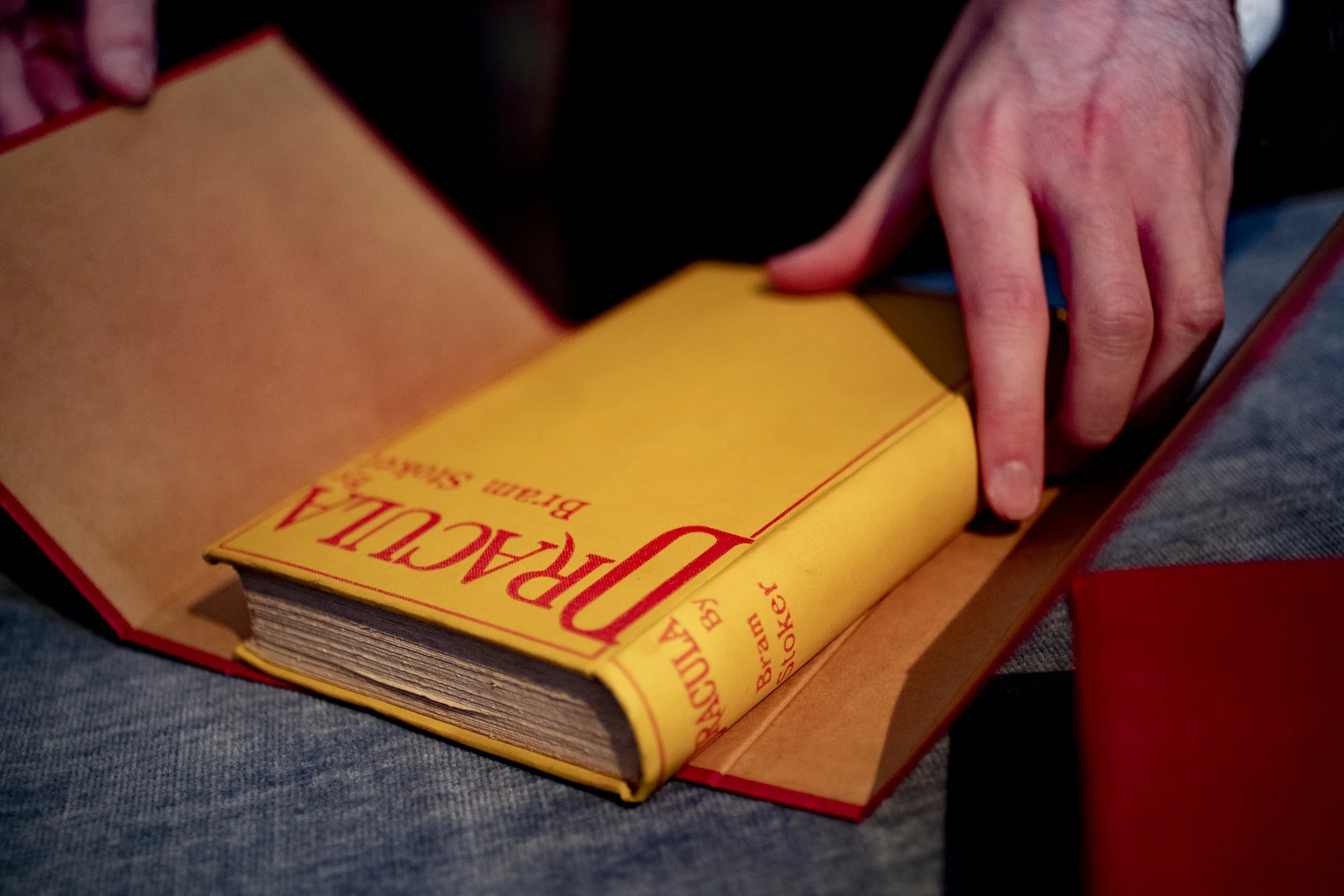
Grab your mat (and maybe your fangs and cape, too?) and join us for a candlelit, Dracula-inspired yoga practice! We’ll have some fun linking imagery and themes from this Gothic horror classic to a gentle flow yoga sequence.
Following the practice, participants will have the opportunity to explore the Rosenbach’s vampire-related collection items during a special, private after-hours viewing of Treasures from the Rosenbach’s Collection: Literature of Great Britain & Ireland, where selections from the Rosenbach’s renowned Dracula and vampire collections are on view. Please bring your own yoga mat. Costumes encouraged!
Fitzgerald's third novel was published in April 1925. When Fitzgerald first began writing The Great Gatsby in the summer of 1921, he told his editor at Scribner, Max Perkins, "I want to write something new—something extraordinary and beautiful and simple + intricately patterned." We will learn about the genesis of The Great Gatsby, its critical reception when it appeared, its changing afterlife, the rise of its immense global popularity, and versions of Gatsby on stage and film as we read the novel together.
What is published as Stephen Hero is a manuscript fragment of the first version of James Joyce’s A Portrait of the Artist as a Young Man, which once ran to around 1,000 pages and was rejected by many publishers. We will read what remains of Stephen Hero (edited by Theodore Spencer, John J. Slocum, and Herbert Cahoon) and then A Portrait of the Artist as a Young Man. Relevant extracts will be provided from Ovid’s Metamorphoses.
Dracula is one of the most renowned epistolary novels of all time. The thrilling, chilling, and above all creeping dread invoked by Bram Stoker’s vampire builds within the everyday diary entries, newspaper clippings, and letters of our protagonists.
Create your own suspense-filled letter in this two-part class.
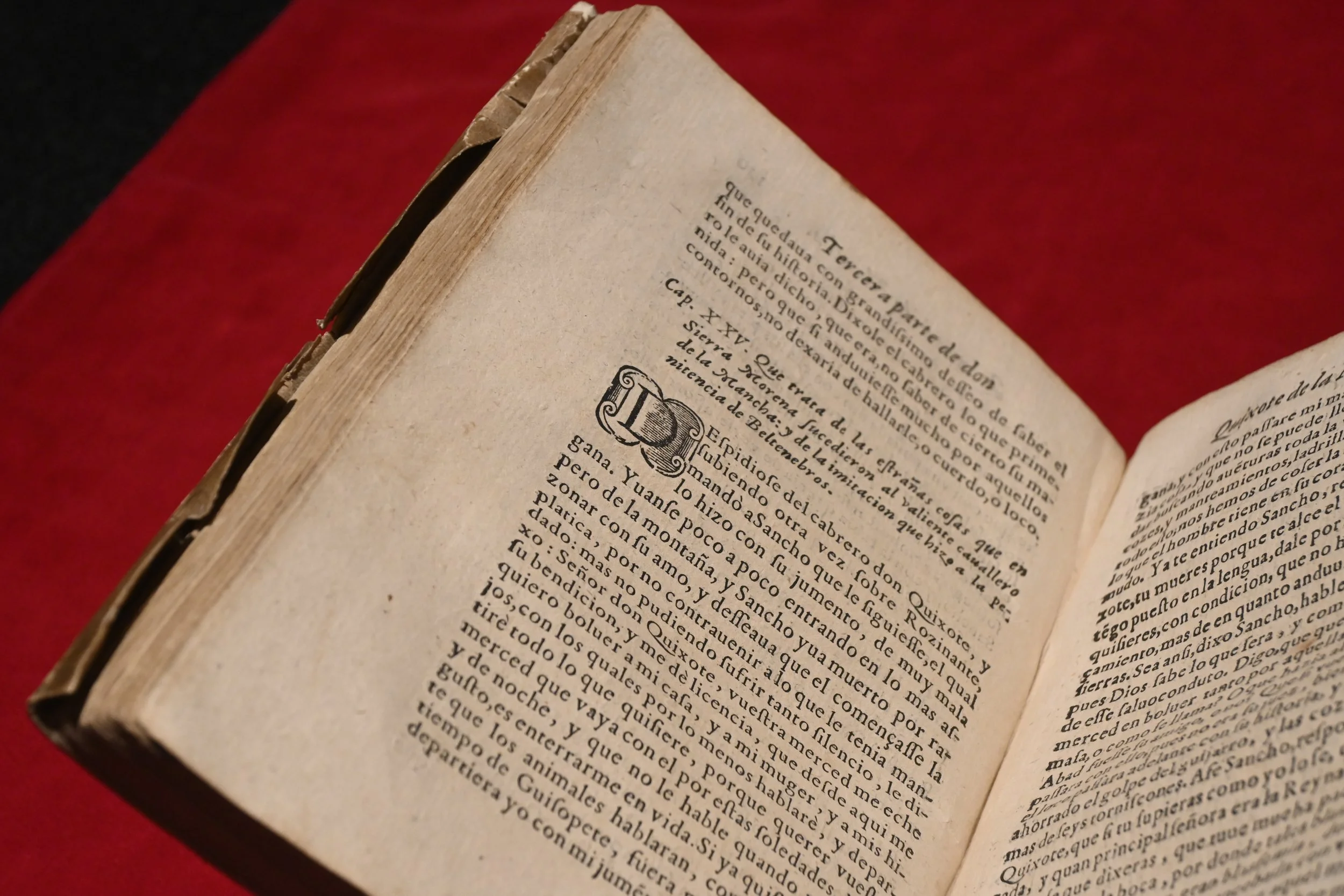
Since 1605 Cervantes’s Don Quixote has been read as an icon of idealistic and misguided desire and as a meme of human experience, modernity, the novel, and more. Close readings and cultural contexts will enable us to enjoy Cervantes’s experimental creation and to consider why it continues to captivate its readers.
The Rosenbach holds a significant Cervantes collection, and we will share images of this collection during the seminar.
This class explores what we call “modernism” through cross-disciplinary analyses of works made by Irish writer James Joyce, Spanish artist Pablo Picasso, and Russian composer Igor Stravinsky in the early twentieth century.
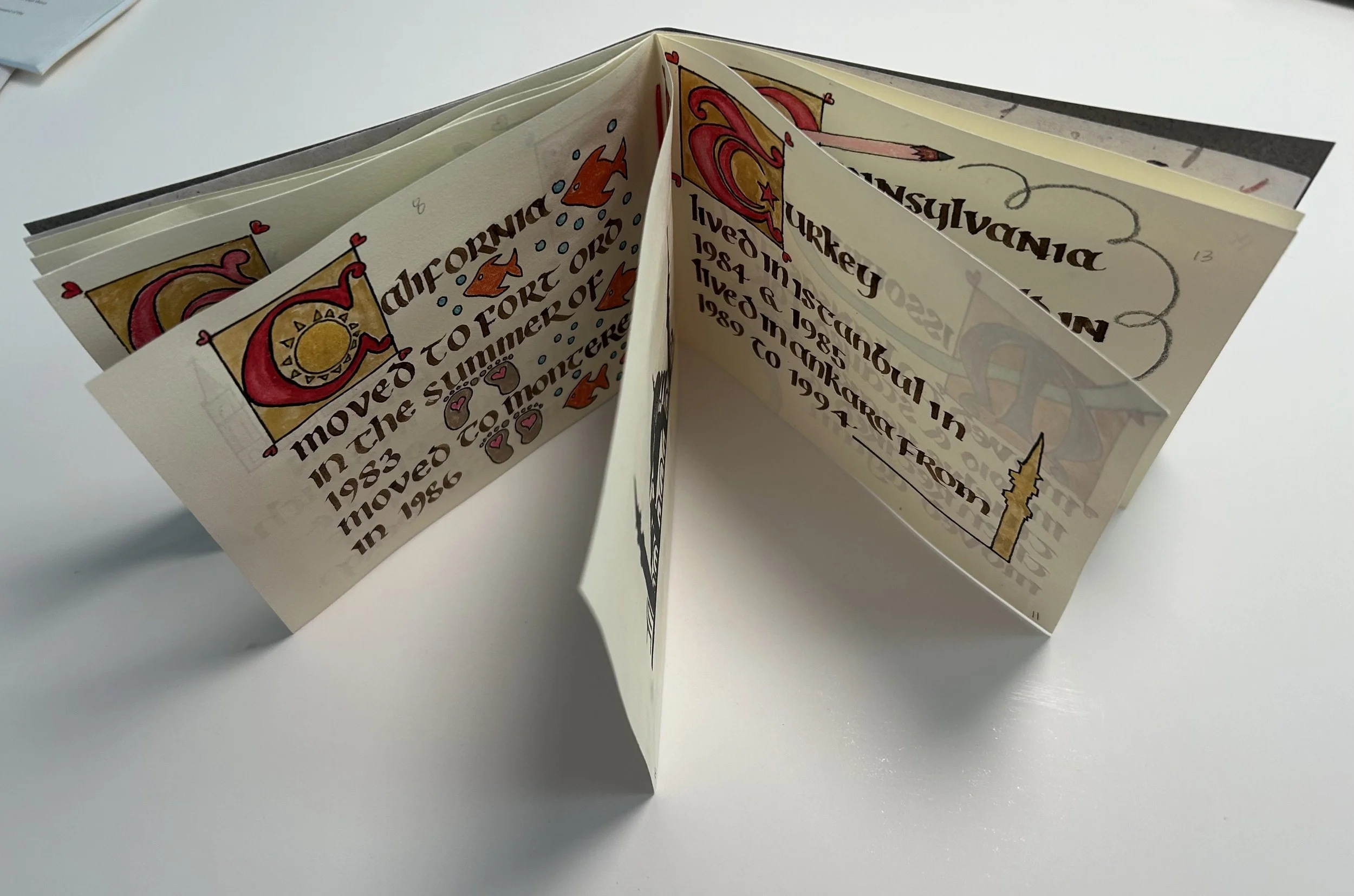
In this two-part class (Sunday, September 7th and Sunday, September 14th), attendees will be immersed in the centuries-old traditions of calligraphy and bookbinding. Students will study lettering traditions from around the world, including the Uncial script found in the Book of Kells and other early Irish manuscripts, while exploring how calligraphy interacts with the book format and creating their own exciting compositions.
In this hands-on bookmaking class, learn to craft your own card-keeper recipe book and exchange recipes (and the stories behind them) with your fellow attendees. You’ll leave with a feast’s worth of recipes to try and a whole new way to share the food that matters to you with the people who matter to you.
In this eight-session course (Wednesdays, 8/13, 8/27, 9/10, 9/24, 10/8, 10/22, 11/5, 11/19) we will try to identify the qualities that make Tolkien’s works emotionally and intellectually engaging while seeking to better understand their significance. In exploring the rich complexity of Middle-earth, the phonesthetic beauty of Tolkien’s languages, the intricacy of the narrative, and the sophistication of the moral vision, we will seek to understand not merely his works’ popularity, cultural influence, and artistic success, but the personal significance they hold for many readers.
In this four-week course (Wednesdays, July 16, 23, 30, August 6), we will read and discuss Mansfield Park in relation to key artifacts and documents that shed light on its place in Austen’s literary career.
In this hands-on class, you will learn to create dynamic booklets of your own, from the humble pamphlet to a single-sheet book to the French door zine. No prior zine-making experience is required.
In this two-hour, immersive, hands-on workshop, distinguished local Irish American calligrapher and manuscript illuminator Susan Kelly vonMedicus will introduce you to Irish manuscript heritage and teach the Uncial script found in the Book of Kells and other early Irish manuscripts.
In this four-week course, we’ll journey into the pages of Wuthering Heights, the beloved novel written and published by Emily Brontë in 1847.
The Rosenbach holds in its collection the original serial parts of The Mystery of Edwin Drood. Throughout this course, we’ll read the existing six serial parts as the first readers did, one part at a time for six sessions, then we’ll spend a final session discussing the many ways Dickens could have unspooled his final mystery, perhaps even solving the mystery of Edwin Drood itself.
This engaging seminar, held in the Rosenbach’s historic house, will begin with a discussion of how slavery helped shape the Constitution, which ironically, was written in Pennsylvania–the first state in the nation and the first political jurisdiction in the Western World to take steps to end slavery.
Persuasion is often considered Austen’s autumnal novel, her most mature work, and a farewell to her life as a fiction writer. In this course, we will examine the many ways in which she deploys her satire, and we will explore the novel’s themes of heartbreak, hope, personal growth, and second-chance love.
For modern readers, the great secret of the Victorian cultural world is that lady detective characters were among the most popular in the literature of the time. In this course, we will explore many of the most popular of these characters and interrogate how they reflected the spectrum of Victorian attitudes about women and how they both played into and resisted conventional Victorian conceptions of (and anxieties about) female ability, acumen, psychology, and labor.
This course on Midsummer Night’s Dream will be an interactive experience and will rely on your participation, enthusiasm, and free-flowing conversations. Each time we meet, we will practice a variety of reading techniques that will enable you to begin experiencing Midsummer (and eventually all of Shakespeare’s plays) more deeply and effectively on your own.
Faulkner’s Light in August dives into the darkest corners of American history: religious fanaticism, racism, the horror of the Civil War, and the brutal legacy of lynching. In this bold masterpiece, Faulkner plays with time’s unbreakable grip.
Join the Rosenbach for a special seminar on Jewish women’s history in the beautiful parlor of the Rosenbach brothers’ home on Delancey Place. Led by gifted teacher and scholar Melissa Klapper, the course explores the new book The Civil War Diary of Emma Mordecai.