
Notes from the Reading Room: The Tale of Manjirō
by David Rhys Owen, Manager of Collections Stewardship & Engagement
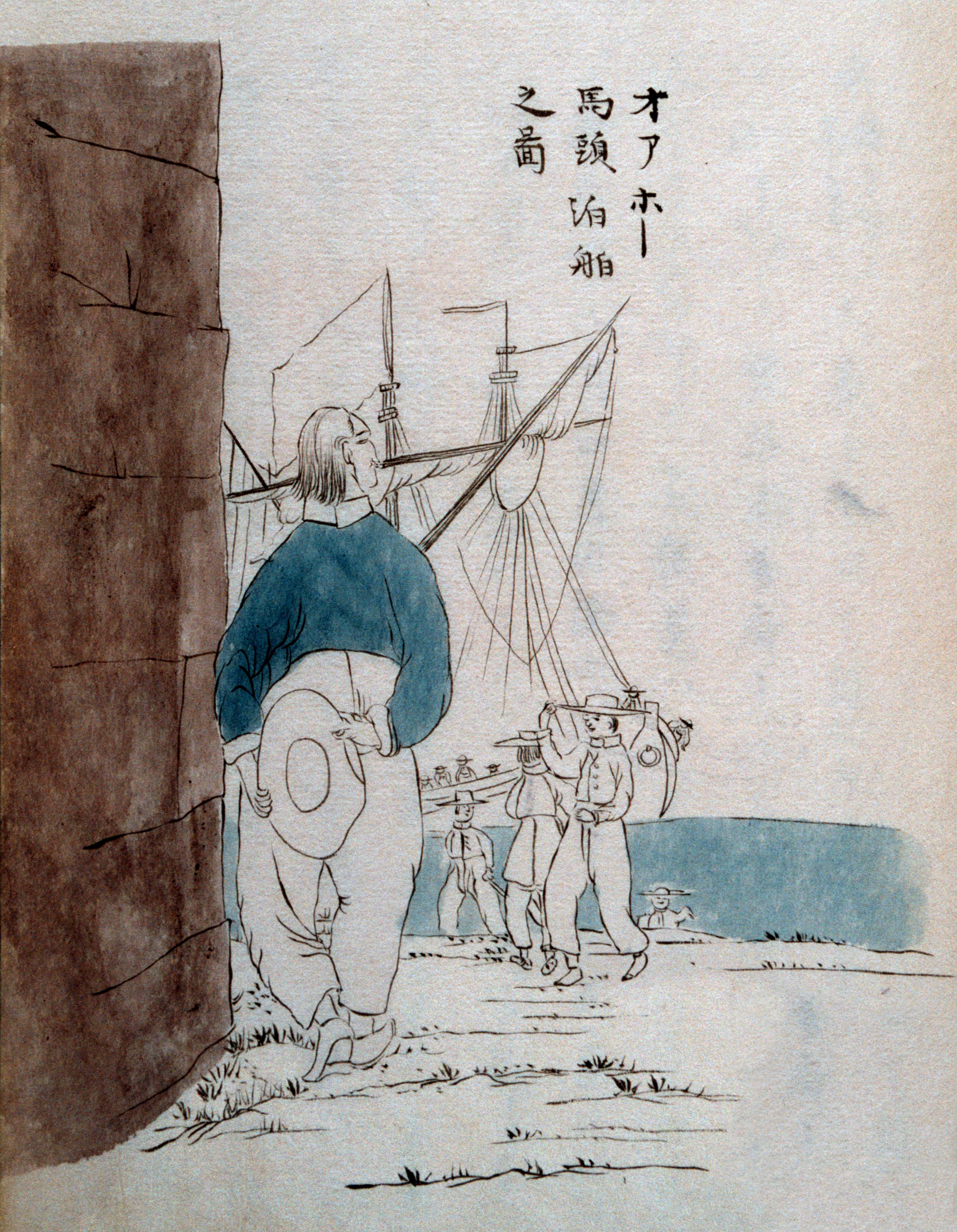
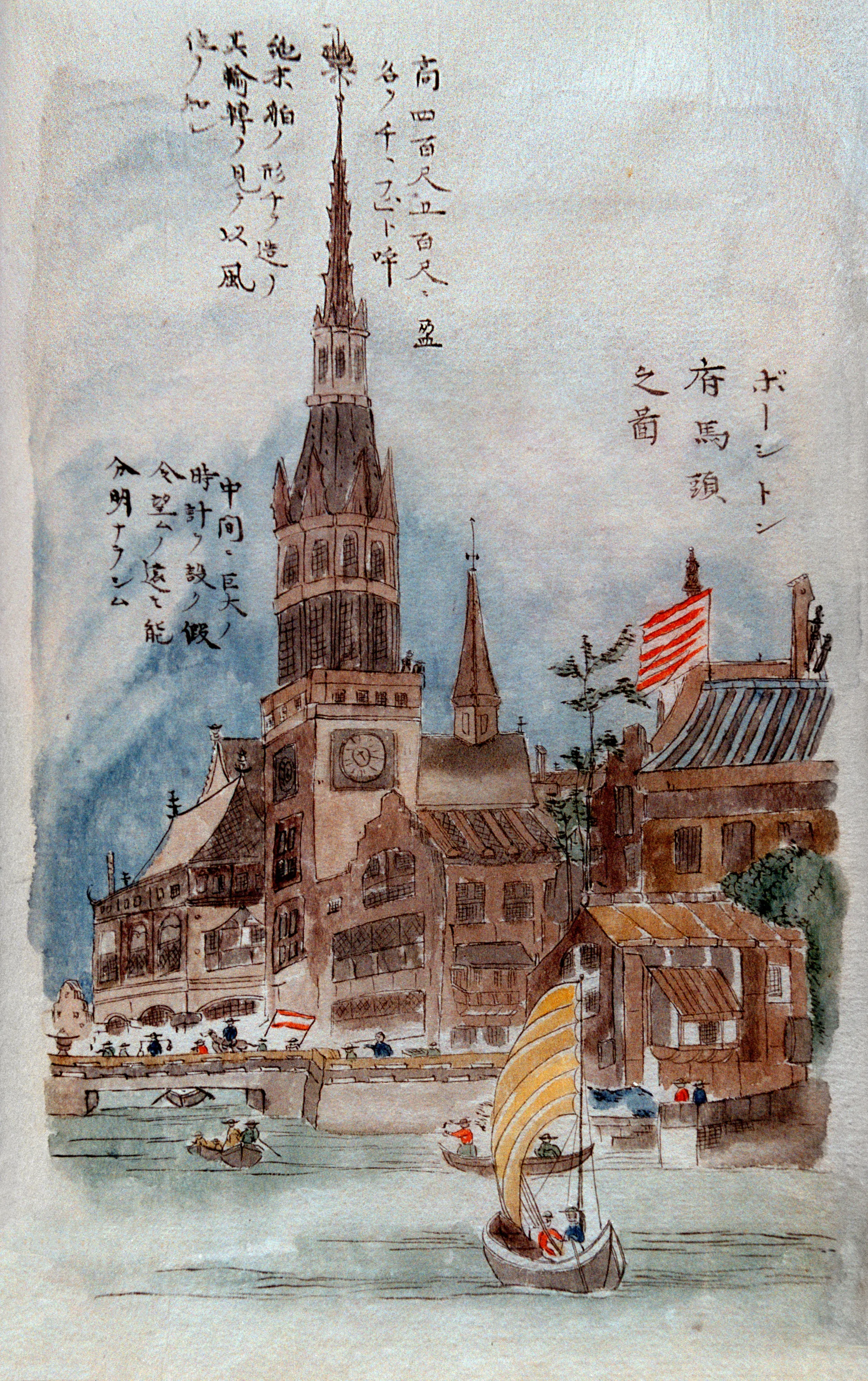
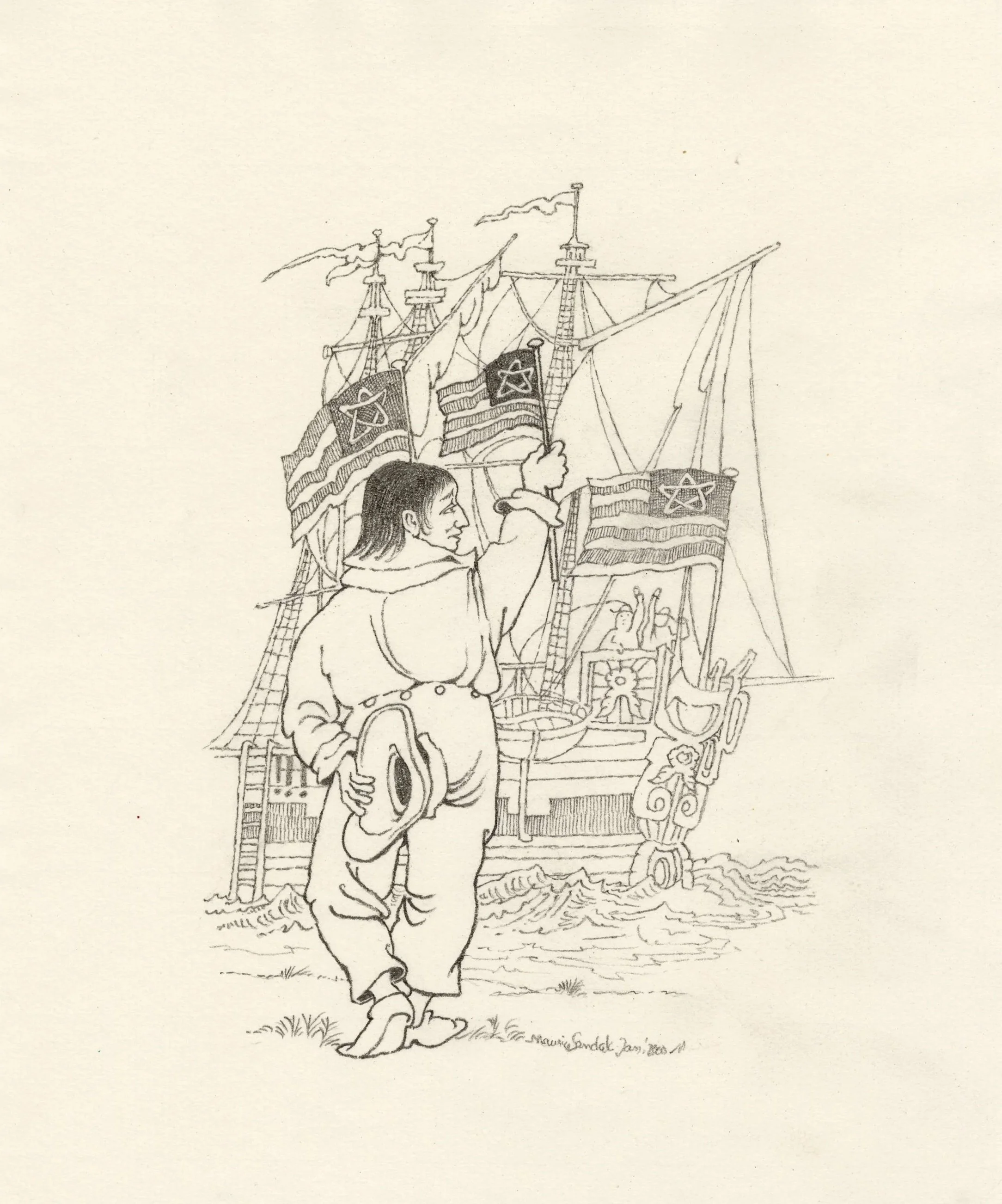
There is perhaps no better hero for uncertain times than Nakahama Manjirō.
Whilst fishing off the coast of southern Japan in 1841, Manjirō was swept away by a storm, shipwrecked, and rescued by an American whaling ship bound for Massachusetts. Near the end of the Tokugawa Shogunate’s strict 216-year isolationist policy, Manjirō became one of the first Japanese people to live in the United States, and he eventually came home with an outlook of openness and internationalism that contributed to the opening of Japan in the 1850s. He is remembered for his work as a translator and his diplomatic efforts, but also for his persistence, kindness, and integrity.
On Manjirō’s return to Japan, his official debriefing was interpreted and illustrated by Kawada Shoryo, an artist sent to transcribe the interrogations. While multiple versions were created for Japanese officials, Manjirō kept a personal copy that he supplemented with technical drawings in his own hand. This copy was acquired by the Rosenbach Museum & Library in 1966. Our collections also include another manuscript account of Manjirō’s travels [AMs 1350/23], a block book with a contemporaneous Japanese account of Commodore Matthew Calbraith Perry’s 1853 expedition to Japan [A 854i], and a traditional scroll commemorating Perry’s arrival [AMs 1296/17]. The Rosenbach also holds a drawing of Manjirō [2021.0006] by the author and illustrator Maurice Sendak.
Librarian Elizabeth E. Fuller recently spoke with Fujisankei Communications International, to highlight the lessons we might learn from the extraordinary life story of Nakahama Manjirō. To find out more, watch A Bridge Between Japan and America: The America John Manjiro Saw on YouTube and stay tuned for further announcements to commemorate Manjirō’s 200th birthday.
Notes from the Reading Room is a monthly segment on the Rosenblog. Learn about our efforts to manage and care for some of the best-known literary and historical objects in the world, and to make our collections available to researchers and other audiences around the globe.