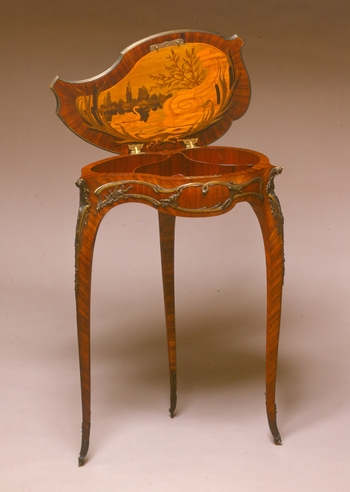
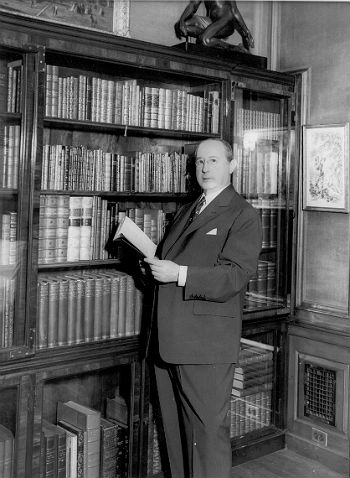
The Rosenbach’s 1860s townhouse and garden provide an intimate setting for the brothers’ collections of rare books, manuscripts, furniture, silver, paintings, prints, drawings, and sculpture. The house is located in the heart of the Rittenhouse-Fitler historic district in Center City Philadelphia.
Museum visitors enjoy regular exhibitions drawn from the Rosenbach’s impressive holdings. In the years since its founding, the Rosenbach collections have continued to grow.
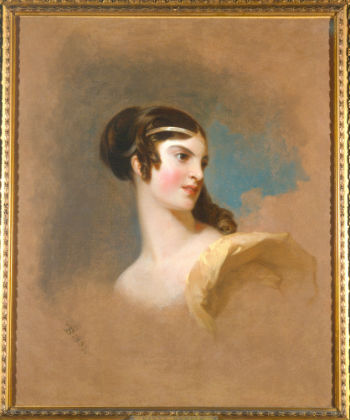
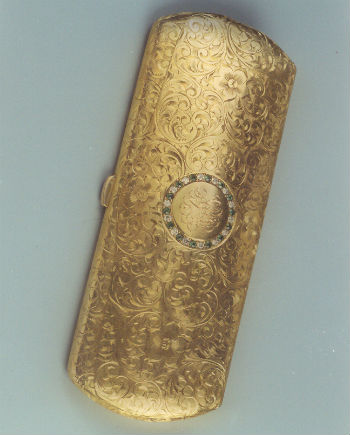
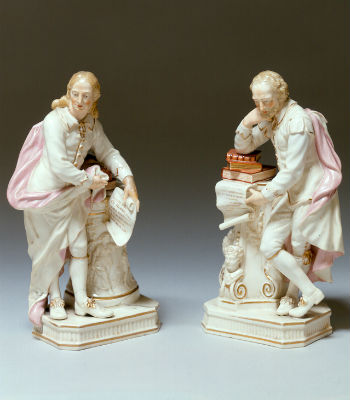
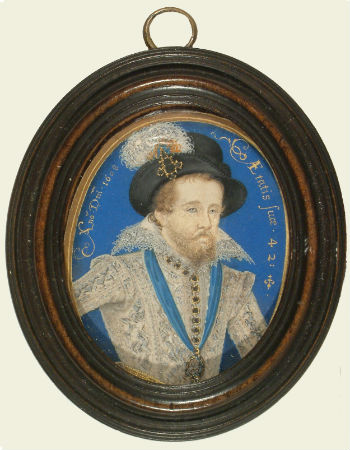
The decorative and fine arts collections are rich and varied, ranging from Egyptian sculpture and English furniture to American portraiture. Highlights of these collections include a fine mid-18th century Philadelphia tall chest, silver by Hester Bateman and Myer Myers, a portrait by painter Thomas Sully of 19th century civic leader Rebecca Gratz, and the largest collection of oil-on-metal portrait miniatures in the United States.
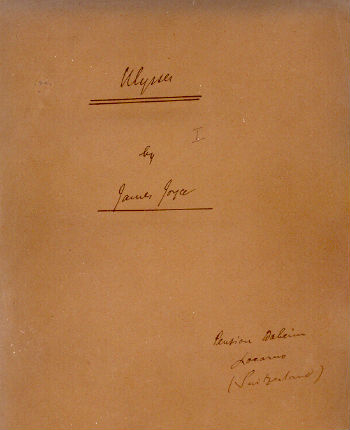
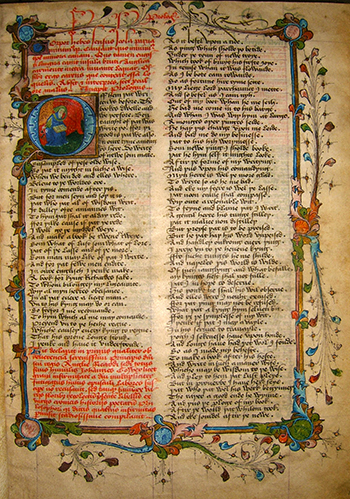
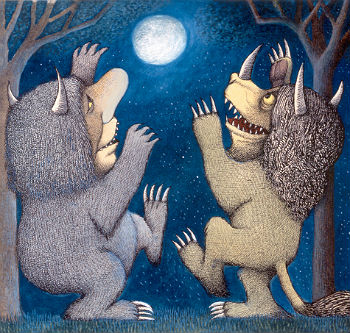
The Rosenbach preserves a nearly unparalleled rare book and manuscript collection, with particular strength in American and British literature and history. Exhibitions, programs, and research with this collection have focused on Colonial American history, African American history, children’s literature, book arts and technology, gay and lesbian literature, early Modernism, and much more.
Other selected highlights from our collections include, but are not limited to :
- Bram Stoker: notes and outlines for Dracula;
- George Washington: more than one hundred personal letters;
- Lewis Carroll: more than 600 letters, his rarest photographs, books, and more;
- William Blake: original drawings and books;
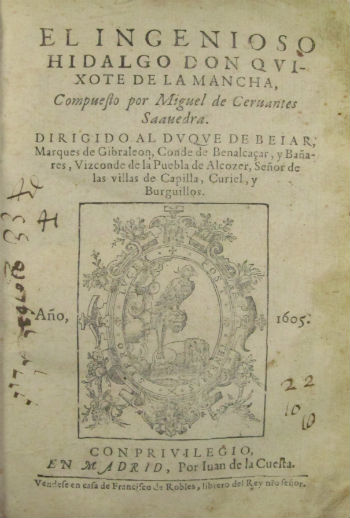
- Cervantes: an extremely rare copy of the first edition of Don Quixote and documents in Cervantes’s hand;
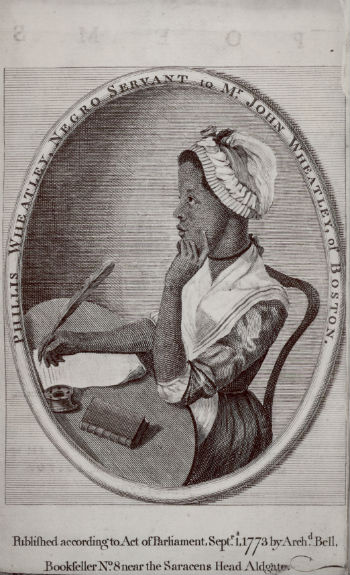
- Phillis Wheatley: first editions of the first book published by an African American;
- Thomas Jefferson: various lists pertaining to enslaved persons on his plantations;
- Charles Dickens: the largest surviving portions of the manuscripts for Pickwick Papers and Nicholas Nickleby;
- Joseph Conrad: manuscripts for two-thirds of his literary works, including Lord Jim, Nostromo, and The Secret Agent;
- Mercedes de Acosta: letters, photographs, and ephemera relating to cinema and lesbian history;
- Dylan Thomas: the manuscript and typescript for Under Milk Wood;
- Girolomo da Carpi: more than 150 drawings from his Roman sketchbook;
- Fragonard: original drawings for Orlando Furioso;
- George Cruikshank: over 4,000 caricatures and book illustrations, many of them signed;
- Samuel Yellin: a pair of elaborate grillwork doors; over a dozen drawings.
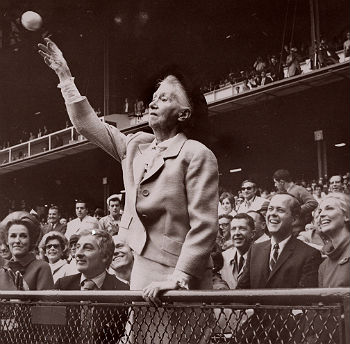
Additionally, the Rosenbach has a long and important relationship with the modernist poet Marianne Moore (1887-1972). In the late 1960s, the museum purchased from Moore virtually all of her manuscripts and correspondence. When she bequeathed her personal belongings to the Rosenbach, the living room of her Greenwich Village apartment was recreated in the museum as a permanent installation. The Marianne Moore papers and living room have earned the Rosenbach designation as a National Literary Landmark by Friends of Libraries, USA.
The Rosenbach is an internationally known destination for lovers of literature, art, and history. Permanent installations, special exhibitions, outreach programs, and individualized research appointments work to bring the Rosenbach brothers’ vision to new and broader audiences every day.